The United States is at risk of losing its measles elimination status as health officials report a steady rise in new cases. The country achieved measles elimination in 2000, marking a significant public health milestone when the virus was no longer spreading continuously within its borders. Recent data reveals that 171 measles cases have been confirmed in 2026, with reports emerging from states including Arizona, Florida, Georgia, North Carolina, Ohio, Oregon, South Carolina, Utah, and Virginia.
This surge follows a troubling trend, as the U.S. recorded more than 2,200 cases in 2025, the highest figure since the early 1990s. Most recent infections have been reported among unvaccinated children and teenagers, raising concerns about declining vaccination rates.
Declining Vaccination Rates Heighten Risk
According to the Centers for Disease Control and Prevention (CDC), national measles vaccination rates fell from 95.2% during the 2019-2020 school year to 92.5% in the 2024-2025 school year. This decline increases the likelihood of outbreaks, as fewer individuals are immune to the disease. The CDC recommends that children receive their first measles vaccination between 12 and 15 months of age, followed by a second dose between ages 4 and 6. Infants as young as 6 months may also receive the vaccine if they are deemed at increased risk.
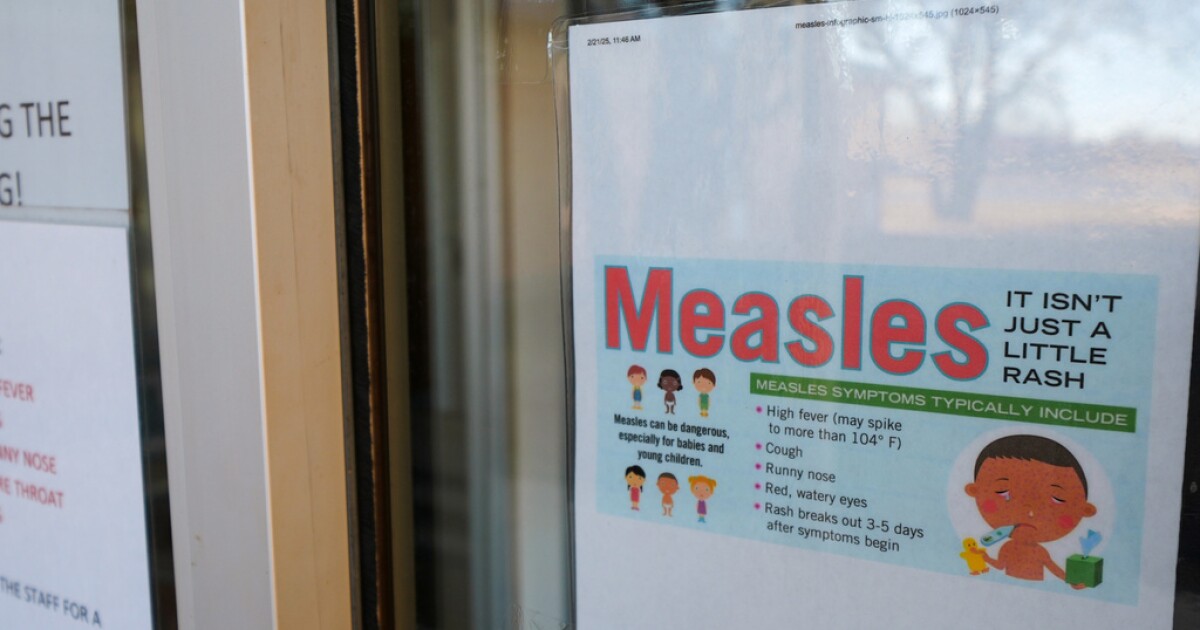
Health officials emphasize the importance of vaccination, particularly in light of the severe health complications that measles can cause. According to the CDC, measles can lead to a range of serious symptoms, including:
– Pneumonia
– Brain damage
– Blindness
– Deafness
– Diarrhea
– Premature birth or low birth weight in unvaccinated pregnant women
Additionally, measles infection can result in the loss of immunity to other deadly diseases, further endangering public health.
Urgent Call to Action for Vaccination
The recent rise in measles cases has prompted health officials to renew their calls for vaccinations. The implications of losing measles elimination status are significant, as it would signify a regression in public health achievements. Health organizations are urging parents to ensure their children are vaccinated on schedule to protect not only their families but also their communities.
As the U.S. grapples with this potential public health crisis, the focus remains on increasing awareness and vaccination rates to prevent further outbreaks. The challenge ahead is substantial, but the path to maintaining measles elimination status begins with proactive vaccination efforts.