As 2024 unfolds, many individuals are grappling with the challenges of winter weather and rising socio-economic and political tensions. In light of these stressors, the call to reconnect with nature emerges as a powerful remedy for mental health and overall well-being.
Recent data underscores the urgent need for this natural solution. The United States faces a troubling public health crisis, with a suicide rate of 15.6 per 100,000 people, placing it as the 26th highest among 183 countries. This figure starkly contrasts with Canada at 9.4 and Mexico at 7. Despite spending an average of $15,000 per capita on healthcare—significantly higher than any other wealthy nation—Americans are experiencing lower health outcomes, including a declining life expectancy.
In the mid-20th century, Americans enjoyed longer life spans than many peers in advanced economies. However, by 2019, life expectancy in the U.S. had fallen to 79.6 years, ranking 48th in the world, below countries like Panama and Albania. This decline raises concerns, especially when compared to nations such as Japan and South Korea, where life expectancy exceeds 84 years.
Furthermore, the 2025 World Happiness Report revealed that the U.S. ranked 24th, its lowest position since the report’s inception in 2012. Experts attribute this decline to increasing political polarization and a weakened sense of community. The Wellbeing Research Centre at the University of Oxford identifies key factors contributing to happiness, including GDP per capita, social support, life expectancy, freedom of choice, generosity, and perceptions of corruption.
Amid these concerning statistics, American society must ask why high spending does not correlate with improved health and happiness. According to the Peterson-KFF Health System Tracker, the high costs associated with medical services, combined with lifestyle factors such as obesity, violence, and opioid abuse, contribute to the lower longevity observed in the U.S.
The political climate has also exacerbated mental health issues, with a marked increase in demand for mental health services linked to rising stress and anxiety. Reports indicate that around 5% of Americans have contemplated suicide due to the current political environment.
In response to these pressing concerns, the importance of connecting with nature becomes even clearer. The average American spends nearly 90% of their time indoors, leading to a disconnection from the natural world. Research supports the notion that exposure to nature can significantly improve health outcomes, reducing the risk of mental illness, cardiovascular disease, and other ailments.
For those living in urban areas or communities lacking natural spaces, countless opportunities for outdoor engagement exist. For instance, Anne Arundel County boasts over 140 parks and sanctuaries across 7,160 acres of recreational land. Parks like Quiet Waters Park and Downs Park offer trails and waterfront access, providing ideal settings for relaxation and exploration.
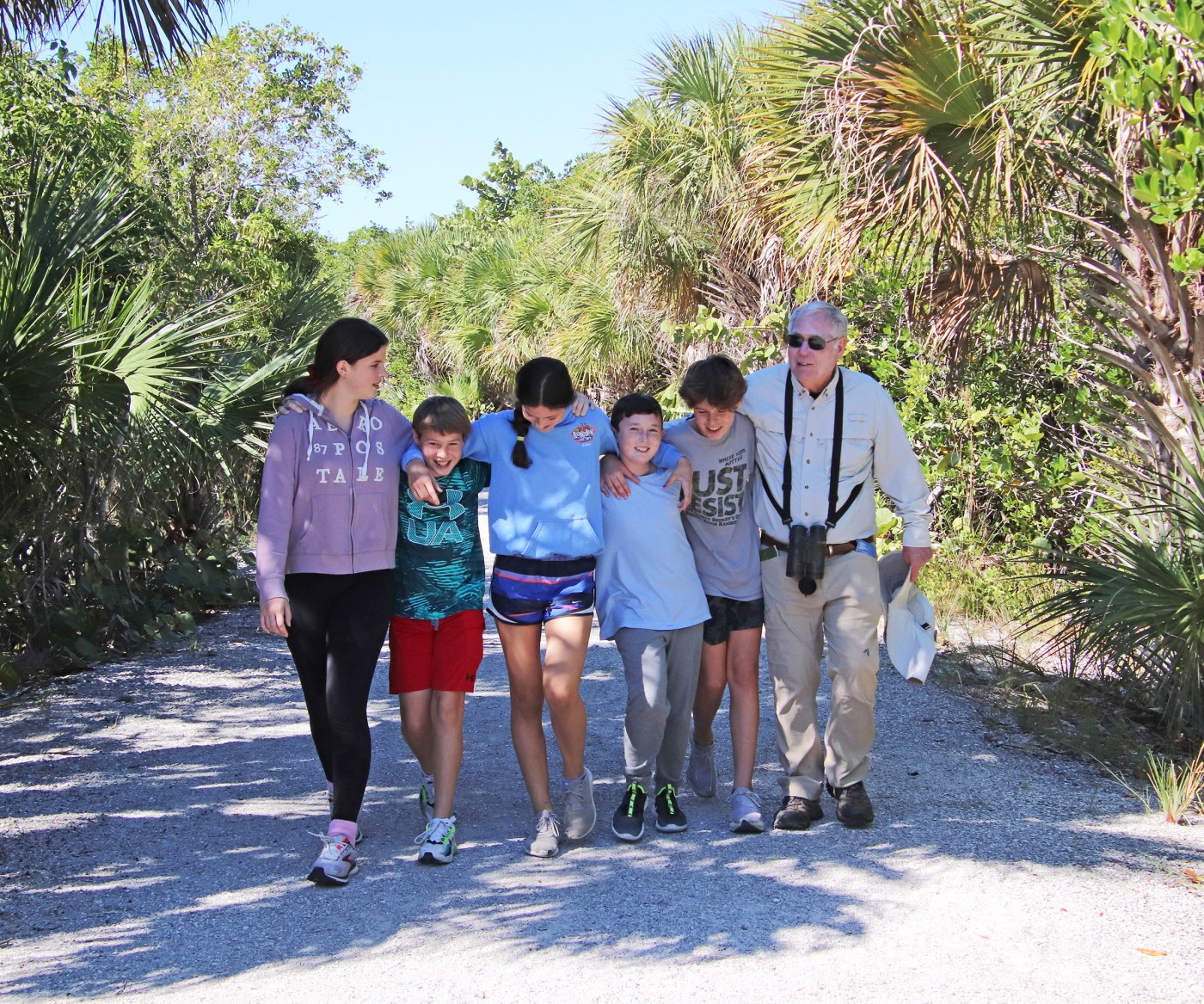
Practicing activities such as forest bathing, which involves immersing oneself in the sights and sounds of nature, can lead to lower blood pressure, reduced heart rates, and improved mental health. Community initiatives, such as organized bird walks by the Anne Arundel Bird Club, facilitate social engagement while fostering a love for the outdoors. Scheduled events, such as a guided bird walk at Quiet Waters Park on January 18, 2024, invite individuals to connect with nature and one another.
As the 2023 health advisory from the U.S. surgeon general highlighted, loneliness is an epidemic affecting 50% of American adults and increasing the risk of various health conditions. The solution lies in fostering connections through shared experiences in nature. Engaging with others while exploring the great outdoors not only reduces isolation but enhances overall well-being.
In conclusion, the invitation to reconnect with nature offers a path to improved health, longevity, and happiness. By embracing the natural world and fostering community connections, individuals can mitigate the effects of stress and enhance their quality of life. As Gerald Winegrad, a former representative in the Maryland legislature, emphasizes, allowing nature to work its wonders could be the key to navigating today’s tumultuous climate.