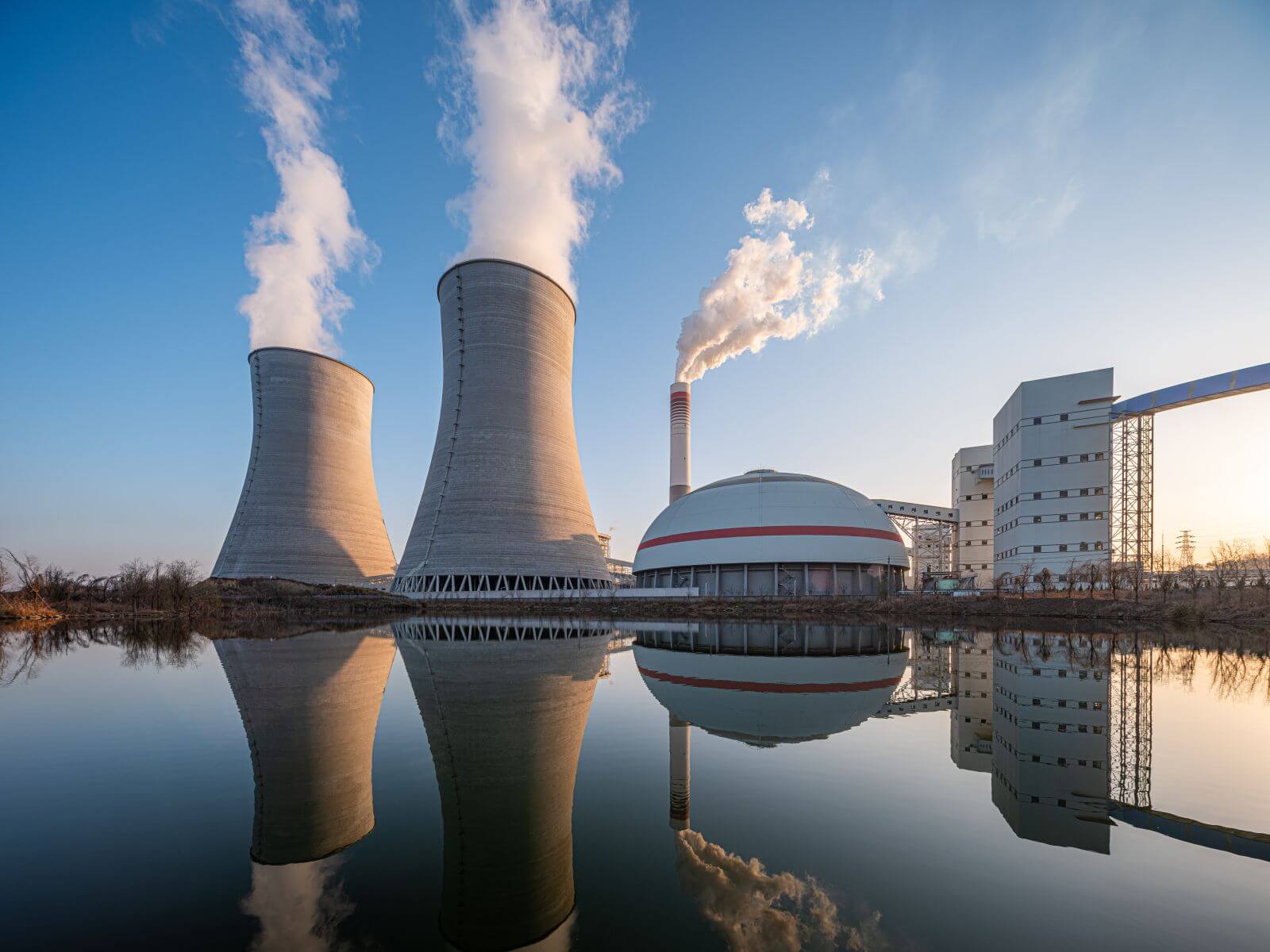
Vistra Energy has announced a significant partnership with Meta Platforms to bolster energy production for its ambitious AI projects. This collaboration includes two 20-year power purchase agreements, which will provide a total of 2,609 megawatts of carbon-free energy from Vistra’s nuclear facilities in the PJM market. This arrangement marks a notable shift as Meta aims to enhance its energy capacity while developing the Prometheus supercomputing cluster, designed to support advanced AI applications.
Demand for electricity is set to soar, particularly fueled by the growth of data centers. According to a report from the International Energy Agency (IEA), electricity consumption for data centers is projected to double by 2030, reaching approximately 945 terawatt-hours (TWh). As Meta pursues its goal of advancing AI superintelligence, partnerships with energy firms like Vistra become essential in meeting these power demands.
Vistra’s Diverse Energy Portfolio
Founded in 2016 but with roots dating back to 1882, Vistra Energy operates across various segments of the electricity value chain. The company’s operations include electricity generation from natural gas, solar, nuclear, coal, and storage systems, as well as retail services related to electricity and natural gas. With a market capitalization of $56.4 billion, Vistra’s stock has experienced modest growth of only 5% over the past year, partially buoyed by the recent announcement of its partnership with Meta.
The collaboration will specifically support Vistra’s nuclear power initiatives in Ohio and Pennsylvania, focusing on increasing energy production and extending the operational lifespan of its nuclear facilities. This is particularly crucial as the demand for reliable energy sources rises in tandem with advancements in AI technology.
Recent financial results from Vistra indicate challenges, as the company has struggled to meet quarterly earnings estimates for the past two years. In the third quarter of 2025, operating revenues totaled $4.97 billion, a decline of 21% from the previous year. Additionally, earnings fell sharply to $1.75 per share, down from $5.25 per share in the same quarter a year prior. Cash from operations also decreased, highlighting ongoing financial volatility.
Despite these challenges, Vistra maintains a healthy liquidity position, ending the quarter with $602 million in cash, significantly exceeding its short-term debt of $231 million.
Growth Potential and Future Outlook
While Vistra’s current financial performance appears muted, the long-term prospects seem promising. The company is strategically investing in solar and battery storage projects, as well as new gas-fired plants in Texas. The recent acquisition of seven modern gas units enhances Vistra’s capacity to meet immediate energy demands, particularly from data centers and the growing electrification of various sectors.
Key initiatives like the closing of the Comanche Peak deal underscore the increasing focus on nuclear energy as a viable solution for AI power needs. The power purchase agreement with Meta significantly enhances the output of the plant, reflecting the tangible demand from hyperscalers for reliable energy sources.
Moreover, Vistra has ongoing agreements with tech giants like Amazon and Microsoft, expected to begin delivering power in 2026. This positions Vistra favorably within the evolving energy landscape, particularly as the demand for electricity from AI applications continues to rise.
Analysts are optimistic about Vistra’s future, with a consensus rating of “Strong Buy” assigned to the stock. The mean target price is set at $242.33, indicating an upside potential of approximately 39% from current levels. Out of 19 analysts covering the stock, 16 have issued a “Strong Buy” rating, while three have opted for a “Hold” rating.
In summary, Vistra Energy’s partnership with Meta Platforms represents a significant step in addressing the growing energy demands of AI technology. While facing short-term financial pressures, the company’s strategic initiatives and partnerships may well position it for long-term success in a rapidly evolving energy market.