On December 31, 1775, General George Washington reached out to Brigadier General Benedict Arnold for urgent supplies, unaware that American forces had suffered a significant defeat in Quebec. This plea for assistance is part of a series commemorating the 250th anniversary of America’s founding, highlighting the critical moments leading to the signing of the Declaration of Independence.
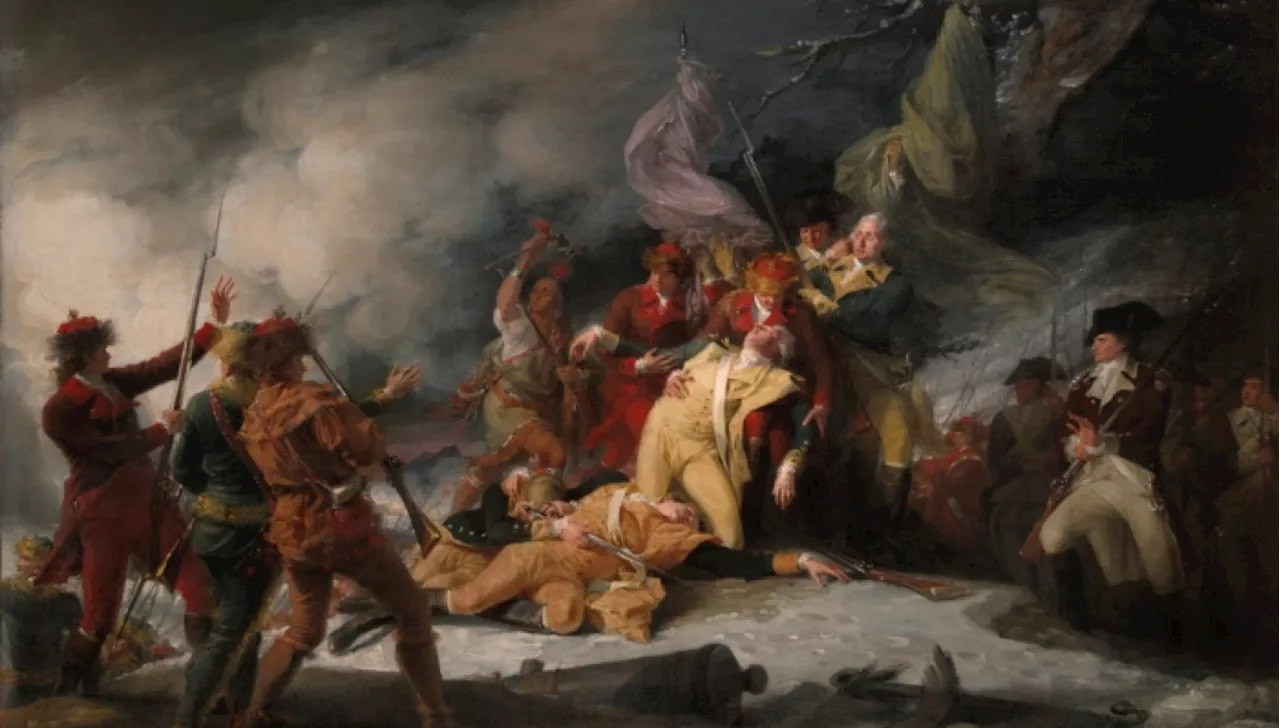
Two weeks prior, American troops had launched an unsuccessful assault on Quebec, a campaign that had already claimed the life of General Richard Montgomery. Washington’s strategy to invade Canada rested on two key assumptions: the belief that British Protestants in the colonies viewed Catholic French Canada as a threat and that Quebec would naturally align with the American cause. Many members of the Continental Congress saw Quebec as deserving a role in the emerging union.
In his correspondence to Arnold, Washington expressed his hopes for support and noted the dire need for military supplies. He requested blankets, clothing, and arms, emphasizing the urgent situation facing the army in Boston. Washington’s letter reveals his optimism, as he was still expecting positive news from Arnold and hoped for reinforcements. He even mentioned that Congress was contemplating the formation of a new army for Canada that winter.
Despite Arnold’s promotion to brigadier general on January 10, 1776, Washington remained unaware of this change for some time. His letters continued to address Arnold as “Col. Arnold” throughout January, underscoring the communication challenges faced during the war. Washington’s message included a request to expedite the dispatch of supplies from Quebec, asserting that large quantities of military stores were available in the city.
Arnold was regarded as one of the most capable battlefield commanders early in the Revolutionary War. His audacity and leadership during the capture of Fort Ticonderoga and subsequent operations on Lake Champlain were celebrated as pivotal. Despite sustaining severe injuries during the assault on Quebec, he continued to be a central figure in the conflict. It would be another four years before Arnold’s allegiance faltered, leading to the treason that would forever alter his legacy in American history.
The correspondence between Washington and Arnold illustrates the challenges faced by the Continental Army during the early years of the Revolutionary War. As the conflict unfolded, the need for resources and strategic coordination became increasingly critical. Washington’s persistent communication with his commanders reflected his determination to strengthen the American position against British forces, even in the face of setbacks.
This episode serves as a reminder of the complexities and sacrifices inherent in the struggle for independence, as well as the pivotal roles played by figures like Washington and Arnold in shaping the course of American history.