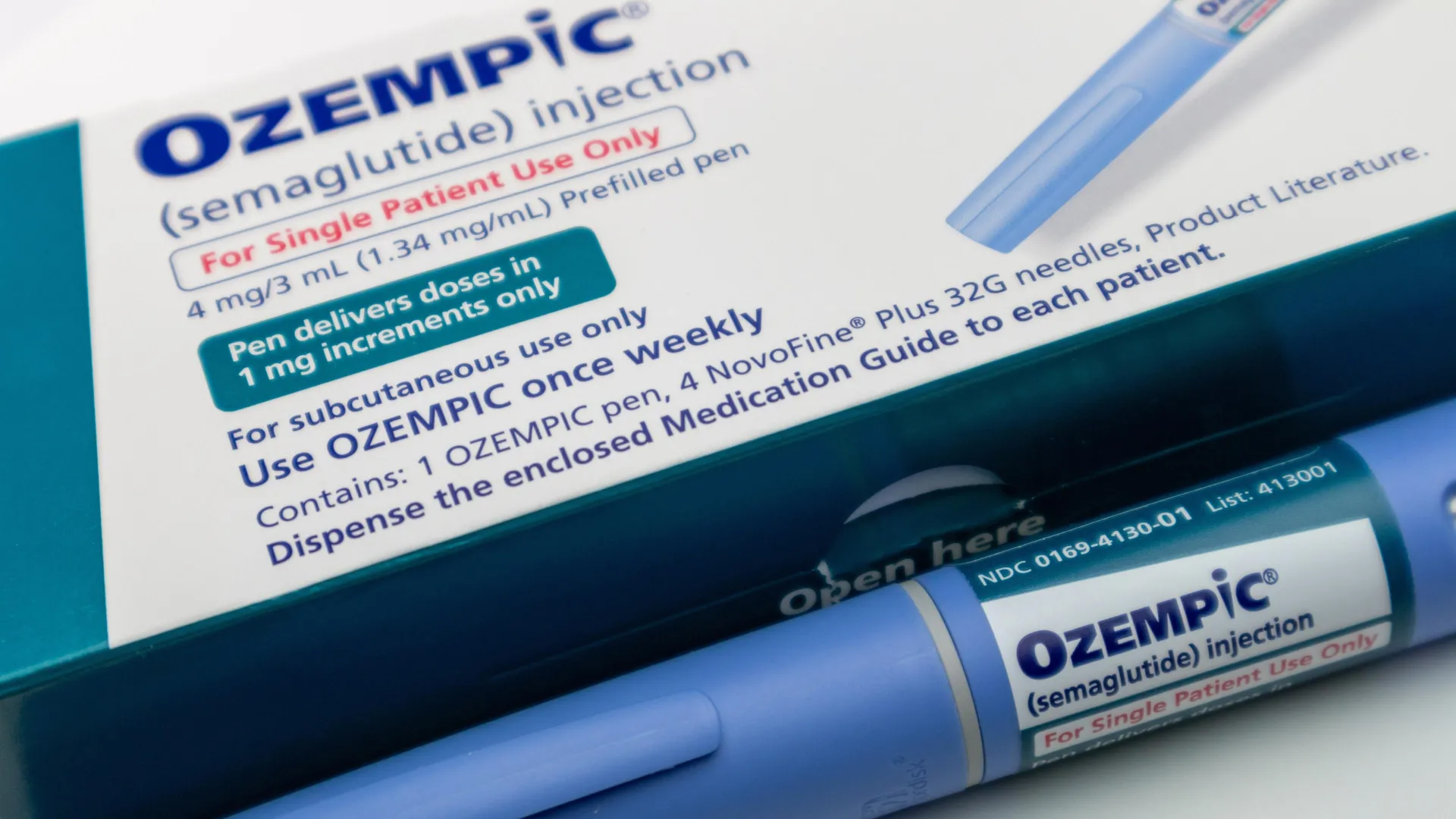
Weight-loss medications such as Ozempic and Wegovy are significantly impacting food expenditure trends across the United States. A recent study conducted by researchers at Cornell University reveals that households using these appetite-suppressing drugs reduced their grocery spending by an average of over 5% within just six months. Fast-food spending also experienced notable declines, with households cutting back on snack foods and sweets more than any other category.
Study Findings on Food Spending
The findings, published in the Journal of Marketing Research, stem from a comprehensive analysis that combined survey data on the use of GLP-1 receptor agonists with detailed purchasing records from tens of thousands of households. These medications, initially developed to treat diabetes, have gained popularity for their weight loss benefits. By correlating self-reported data with actual spending habits, the study provides a clear perspective on how these drugs influence consumer behavior.
According to Sylvia Hristakeva, an assistant professor of marketing at Cornell, the data illustrates a distinct pattern in food spending following the adoption of GLP-1 medications. Within six months, households using these drugs saw grocery spending decrease by an average of 5.3%. Higher-income families reported a reduction exceeding 8%. Spending at fast-food outlets and limited-service restaurants also fell by approximately 8%. Notably, the effect persisted for at least a year among continuous users.
Specific Changes in Food Purchases
The research revealed that not all food categories experienced the same level of decline. The sharpest reductions were observed in ultra-processed, high-calorie foods often associated with cravings. Spending on savory snacks plummeted by nearly 10%, with similar drops seen in purchases of sweets, baked goods, and cookies. In contrast, only a few categories, such as yogurt and fresh fruit, exhibited slight increases.
This shift in consumer behavior extends beyond grocery stores to restaurants, where spending at fast-food chains and coffee shops also saw a significant decrease. As the use of GLP-1 medications continues to rise, food manufacturers and retailers may need to adapt their product offerings and marketing strategies to reflect these changing consumer preferences.
The implications of these findings resonate beyond just individual spending habits. For policymakers and public health experts, the study opens discussions on how medical treatments can effectively influence dietary choices. It prompts considerations about whether biological appetite changes can reshape eating habits in a way that traditional methods, such as food taxes and nutrition labels, have often struggled to achieve.
In summary, the research from Cornell University underscores the potential of medications like Ozempic and Wegovy to not only aid in weight loss but also to influence broader trends in food consumption and spending across America. As these drugs gain traction, their effects on the food industry and public health may become increasingly significant.