The death toll from ongoing protests in Iran has risen to at least 544, according to the U.S.-based Human Rights Activists News Agency. This increase comes as U.S. President Donald Trump stated that Iran has expressed a desire for negotiations amidst a violent crackdown on demonstrators. As tensions escalate, Trump and his national security team are evaluating a variety of responses, including possible military actions against Iran.
Trump communicated with reporters aboard Air Force One, indicating that the U.S. military is considering “very strong options” in response to Iran’s actions. He noted, “If they do that, we will hit them at levels that they’ve never been hit before.” The president mentioned that discussions are underway to arrange a meeting with Iranian officials, although he warned that actions may need to be taken before any diplomatic engagement can occur due to the rising death toll and ongoing arrests of protesters.
The situation in Iran remains fluid, with authorities reportedly detaining over 10,600 individuals in connection with the protests that began on December 28, 2023. The demonstrations were sparked by economic issues, particularly the collapse of the Iranian rial, which trades at over 1.4 million to $1. Activists report that 496 of the deceased were protesters, while 48 were members of the security forces.
International Reactions and Escalating Tensions
Iran’s government has not released official casualty figures amid a significant information blackout, complicating efforts to assess the situation from abroad. The ongoing disruptions to internet access and phone services have raised concerns that hard-liners within Iran’s security services may further intensify their crackdown.
In a parliamentary address, hard-line speaker Mohammad Baagher Qalibaf threatened retaliatory actions against the U.S. and Israel, declaring that both would be considered “legitimate targets” in the event of an attack. During the session, lawmakers chanted “Death to America,” indicating the heightened anti-U.S. sentiment within the Iranian government.
Trump’s remarks about Iran’s request for negotiations were met with skepticism, as there has been no official confirmation from Iranian officials regarding a willingness to meet. The U.S. military’s posture in the region includes significant forces capable of rapid response, particularly as tensions with Iran have previously resulted in military engagements.
Global Support for Iranian Protesters
Internationally, leaders have expressed concern over the violence against protesters in Iran. United Nations Secretary-General Antonio Guterres voiced his shock at reports of deaths resulting from the crackdown, urging Iranian authorities to exercise restraint and restore communication channels.
Pope Leo XIV also highlighted the violence in Iran during a recent address, expressing hope for dialogue and peace. Supportive demonstrations for Iranian citizens have occurred in various international capitals, reflecting global solidarity with those opposing the Iranian regime.
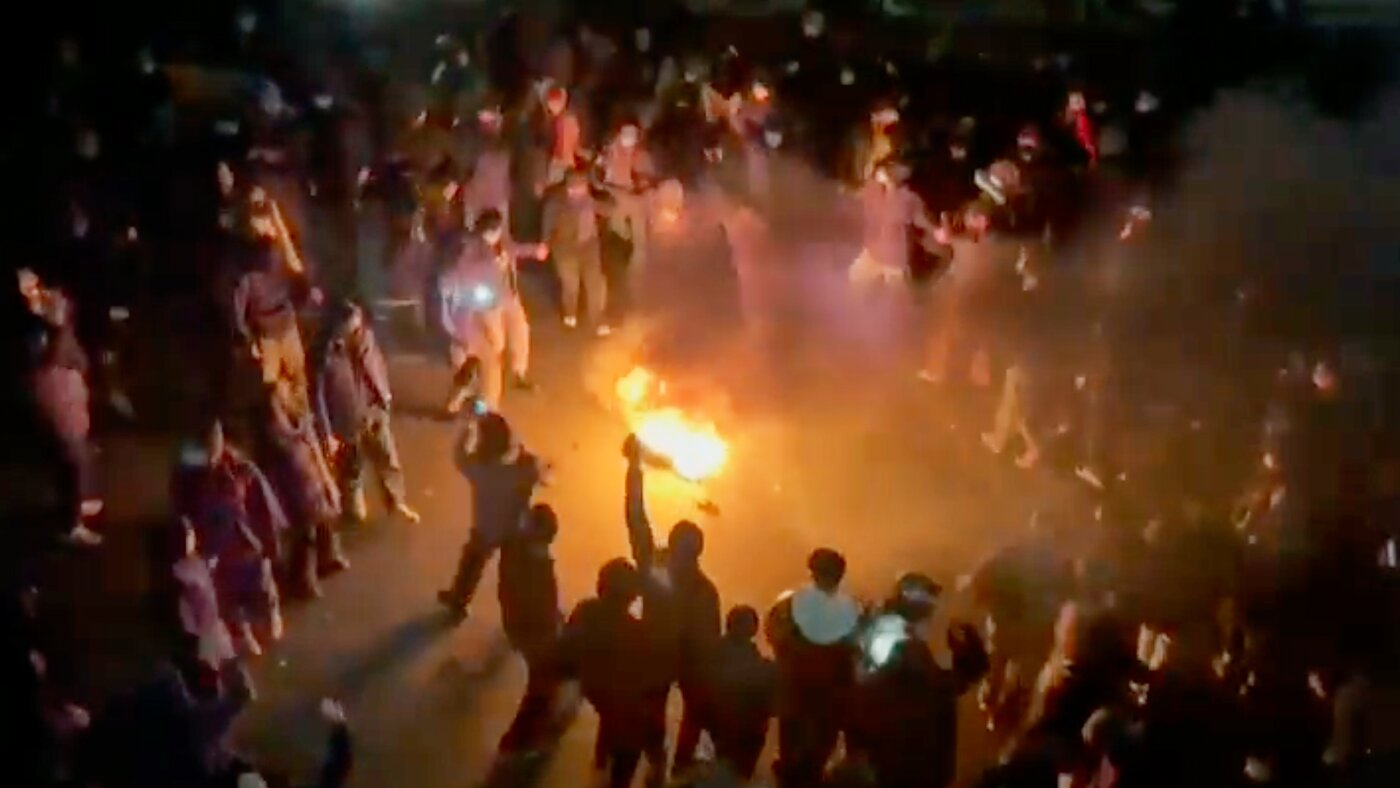
Online footage purportedly from Iran continues to emerge, showing protests in cities like Tehran and Mashhad. Activists reported that demonstrators gathered in northern Tehran’s Punak neighborhood, with some waving lit mobile phones and clashing with security forces. Meanwhile, Iranian state media attempted to downplay the unrest, focusing coverage on areas deemed calm.
As the protests evolve and the international community watches closely, the future of Iran’s political landscape remains uncertain. The decision-making power ultimately lies with Ayatollah Ali Khamenei, Iran’s Supreme Leader, whose response to internal and external pressures will shape the country’s direction in the coming days.