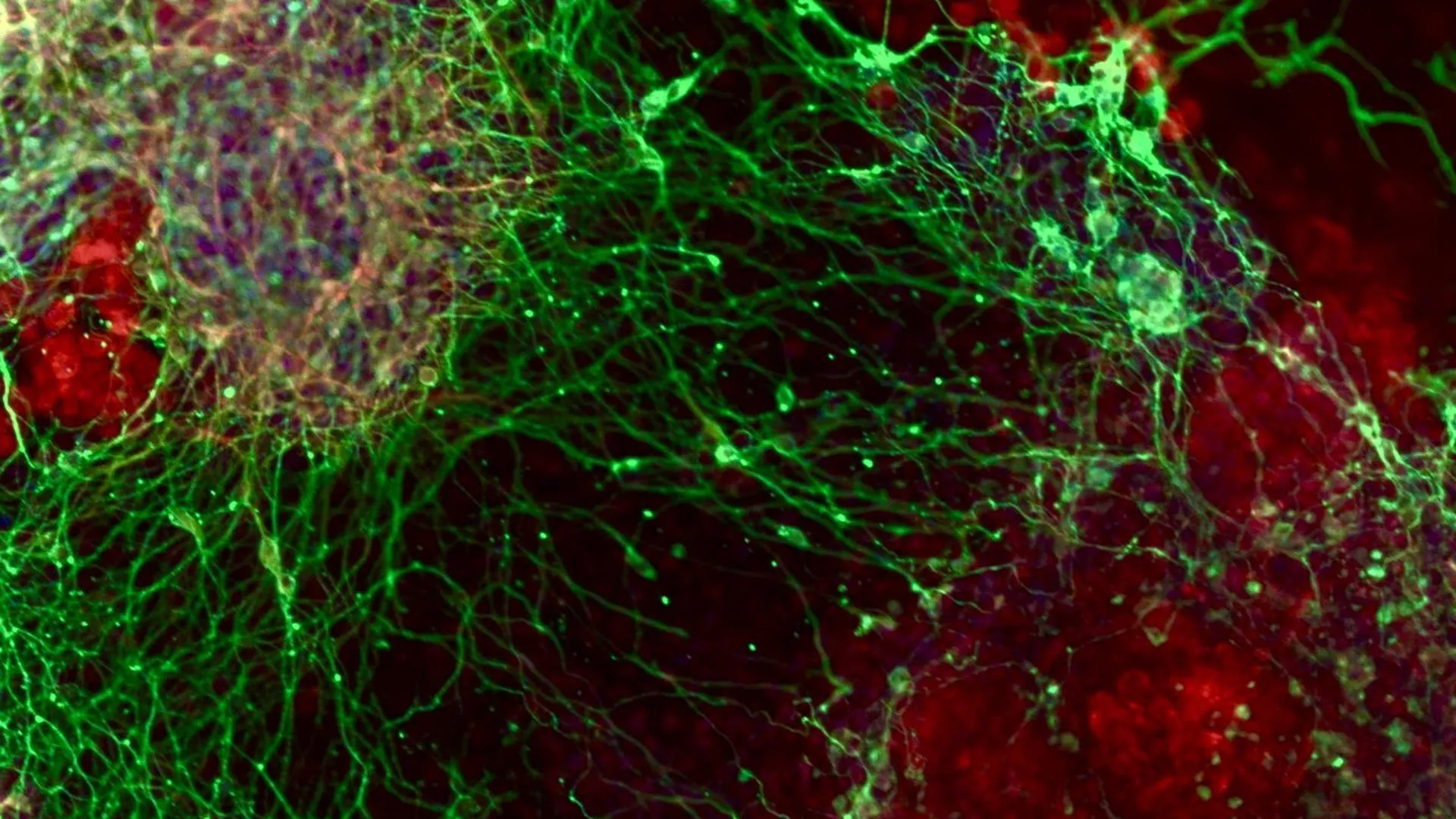
BREAKING: A groundbreaking genetic study has uncovered the critical mechanisms behind the transformation of stem cells into brain cells, revealing 331 genes essential for this complex process. Conducted by researchers at The Hebrew University of Jerusalem and published on January 5, 2026, the findings hold profound implications for understanding neurodevelopmental disorders, including autism and developmental delays.
Using advanced CRISPR gene-editing technology, the team led by Prof. Sagiv Shifman systematically disabled nearly 20,000 genes to identify those crucial for proper brain cell formation. Their work highlights the newly identified gene, PEDS1, linked to a previously unknown neurodevelopmental disorder in children. Disruption of PEDS1 function results in impaired brain growth and nerve cell formation, shedding light on how genetic changes can influence brain development.
The research team aimed to pinpoint the genetic components necessary for the correct differentiation of embryonic stem cells into neuronal cells. The systematic knockout approach allowed them to generate a detailed map of the essential genes involved. Among the critical discoveries, PEDS1 is responsible for producing plasmalogens, vital membrane phospholipids crucial for myelin, the protective sheath surrounding nerve fibers.
Genetic testing in two unrelated families revealed that children with severe developmental symptoms carried rare mutations in PEDS1, resulting in reduced brain size and developmental delays. The experimental models confirmed that loss of PEDS1 disrupts normal brain development, validating the clinical observations.
Prof. Shifman stated,
“By tracking the differentiation of embryonic stem cells into neural cells and systematically disrupting nearly all genes in the genome, we created a map of the genes essential for brain development. This knowledge can lead to improved diagnosis and genetic counseling for families and may eventually support targeted treatments.”
The study also produced an “essentiality map” for genes required at various stages of brain development. It differentiated genetic mechanisms associated with autism from those linked to developmental delays. The results suggest that genes crucial during the formation of nerve cells are more closely related to autism, providing insights into the overlapping symptoms of these conditions.
The research was supported by the Israel Science Foundation and the ISF-Broad Institute Program. To foster further discoveries, the team has launched an open online database containing their findings, allowing the global research community to explore the data.
As these revelations unfold, the implications for the future of brain research are immense. Understanding the role of PEDS1 and others in neurodevelopmental disorders could pave the way for enhanced diagnosis and new avenues for treatment. This rapid advancement in genetic research not only highlights the complexity of brain development but also opens doors for families grappling with the unknowns of genetic disorders.
Stay tuned for updates as this story develops, and researchers continue to unravel the intricate genetics of brain formation.