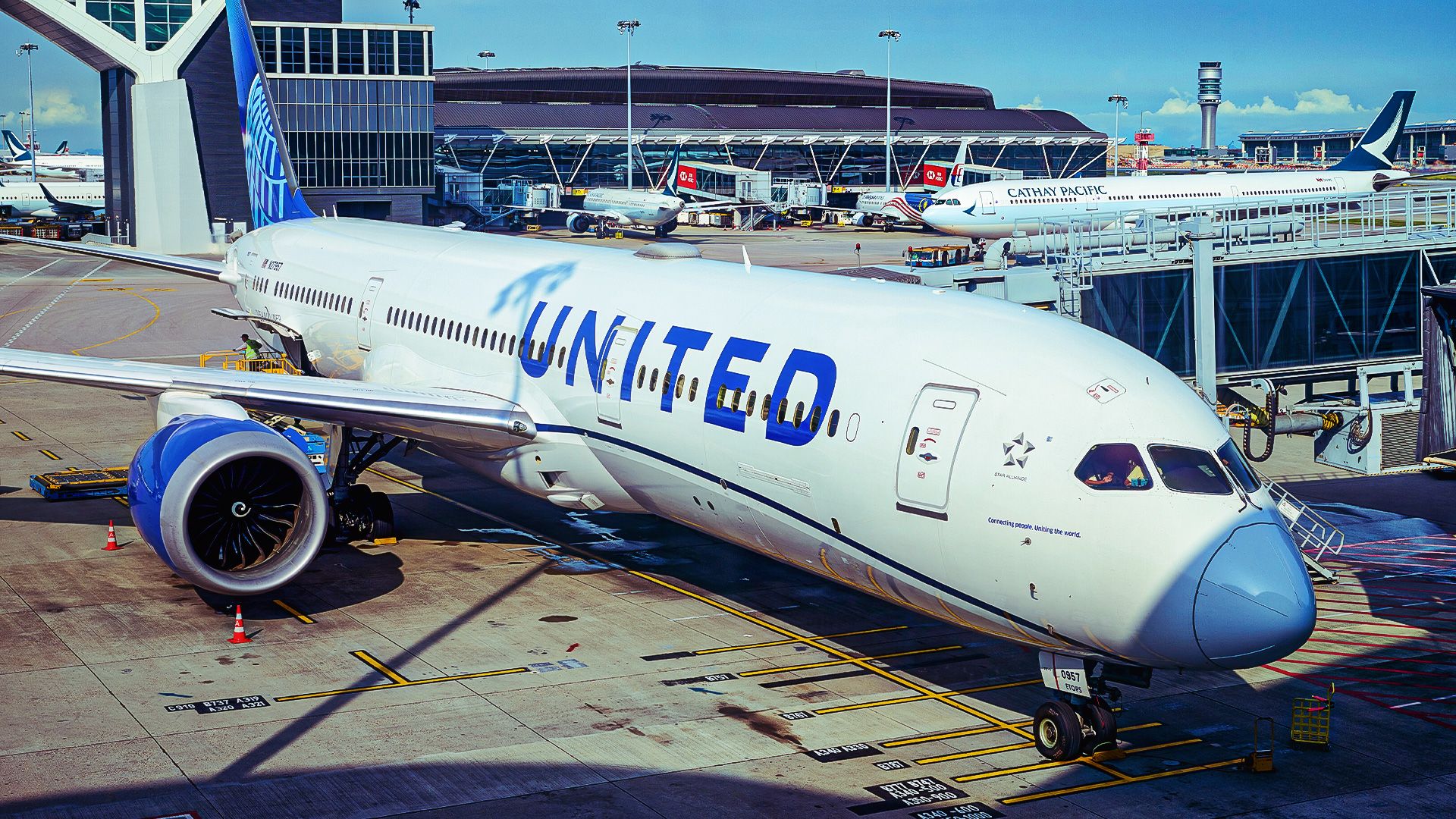
The competition between the Boeing 787 and Airbus A330neo intensifies as airlines seek suitable replacements for their aging Boeing 767 fleets. Currently, the two main operators of the Boeing 767 are Delta Air Lines and United Airlines, with Delta operating 58 767s and United flying 53. Both airlines utilize the 767-300ER and 767-400ER variants, which are now over 20 years old and in need of modernization.
As airlines evaluate their options, the Boeing 787 and Airbus A330neo emerge as the most viable contenders. The Boeing 787, known for its fuel efficiency and advanced technology, offers a compelling alternative. It features a composite fuselage that significantly reduces weight and enhances aerodynamics, contributing to lower operating costs. In contrast, the Airbus A330neo boasts improved engines and aerodynamics, promising similar benefits in fuel efficiency and range.
Comparative Advantages of the 787 and A330neo
The Boeing 787 Dreamliner is equipped with the latest technology, including a state-of-the-art cockpit and passenger comfort features such as larger windows and improved cabin pressure. Airlines operating the 787 report operational costs that can be significantly lower than those of older aircraft. For instance, the 787 is designed to achieve a fuel burn reduction of up to 20 percent compared to older models, making it an attractive option for carriers looking to cut expenses.
On the other hand, the Airbus A330neo is designed to serve long-haul routes efficiently. It is powered by the new Rolls-Royce Trent 7000 engines, which provide enhanced fuel efficiency. Airlines also appreciate the A330neo’s versatility, as it can be configured for various cabin layouts, catering to both premium and economy passengers. This adaptability makes it a strong candidate for airlines aiming to maximize revenue.
Market Dynamics and Future Considerations
The decision to transition from the Boeing 767 to either the Boeing 787 or Airbus A330neo involves careful consideration of market dynamics. Both Delta and United face competition from low-cost carriers and need to ensure their fleets remain competitive in terms of operational efficiency and passenger experience.
Additionally, the global aviation market is recovering from the impacts of the COVID-19 pandemic, driving demand for newer and more efficient aircraft. As airlines prioritize sustainability and operational cost reductions, the shift from older models like the 767 to newer aircraft becomes increasingly imperative.
In conclusion, the choice between the Boeing 787 and Airbus A330neo is not straightforward. Each aircraft presents unique advantages that cater to different airline strategies. As Delta and United navigate this critical juncture, the decision will ultimately hinge on their operational needs and the evolving landscape of air travel.