Legal actions initiated by allies of former President Donald Trump could dramatically reshape the political landscape in Texas and beyond as the country prepares for the 2030 census. Two federal lawsuits currently advancing through the courts aim to challenge the methodologies used by the U.S. Census Bureau and to redefine who is counted in the population totals that influence congressional representation and federal funding allocations.
One of these lawsuits, filed in Florida by America First Legal, contests the Census Bureau’s use of “differential privacy” and group-quarters imputation methods implemented during the 2020 census. The plaintiffs argue that these techniques distorted local counts, thereby diminishing the representation of citizens. They seek a judicial order to prevent the Census Bureau from employing these methods in the upcoming 2030 count and to re-evaluate the 2020 data.
The second case originates from Louisiana, where four Republican state attorneys general, supported by the Federation for American Immigration Reform, are pushing to exclude undocumented immigrants from the population totals used for congressional apportionment. This lawsuit continues a trend among Republican officials aiming to limit representation to citizens and legal residents, raising significant questions about the political ramifications of the next decade’s population counts.
Challenging Census Methodologies
The Florida lawsuit specifically targets two technical changes made by the Census Bureau in 2020. The method of differential privacy introduces statistical “noise” to protect individual respondents’ confidentiality, while group-quarters imputation estimates residents in communal living environments such as dormitories and nursing homes when actual counts fall short. Critics argue that these methods have skewed local population figures, affecting the balance of representation between rural and urban areas. Proponents maintain that these techniques are essential for preserving privacy and ensuring the accuracy of data amid the challenges posed by the COVID-19 pandemic.
Should the courts rule in favor of the plaintiffs by blocking these techniques or excluding noncitizens from apportionment counts, the consequences could be profound. The Associated Press notes that census data is pivotal in distributing approximately $2.8 trillion in federal funding annually, impacting nearly every level of government. States like Texas, which has a significant population of unauthorized immigrants, could see substantial shifts in political representation and resource allocation.
Census Bureau’s Preparations
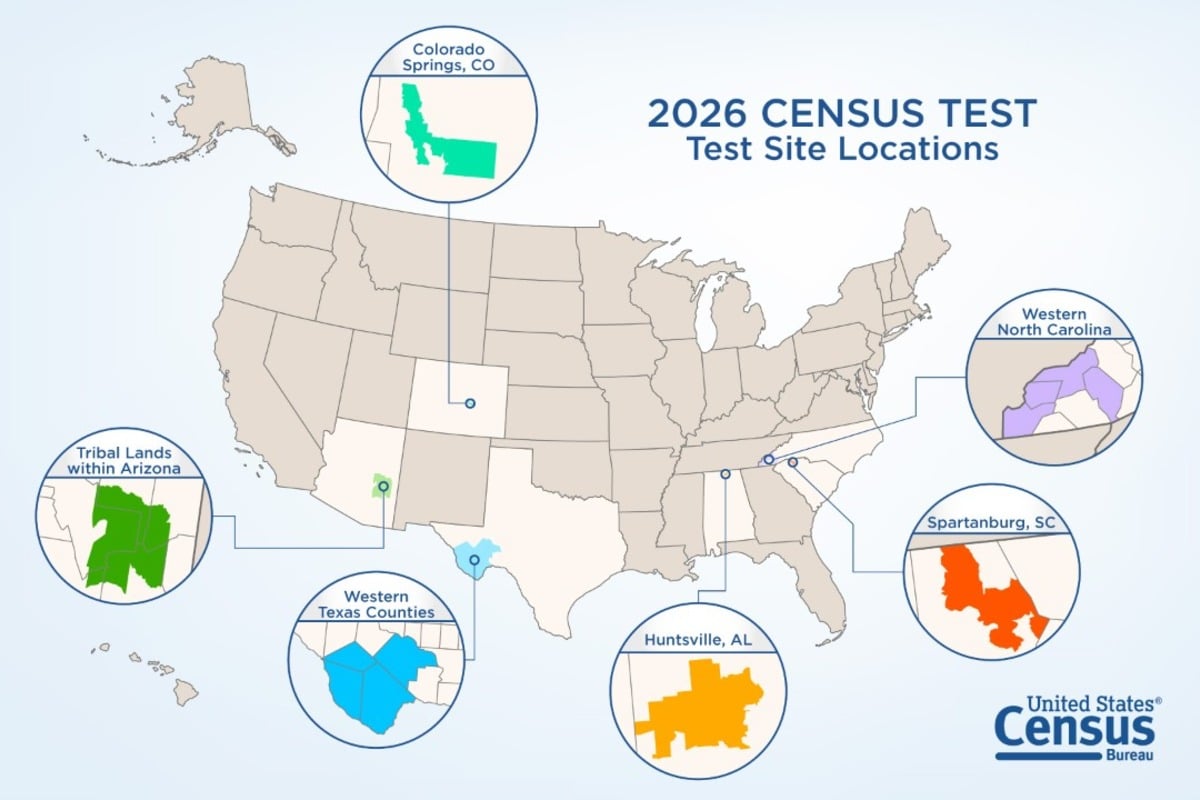
While these legal proceedings unfold, the Census Bureau is actively preparing for the 2030 census. Officials are planning a 2026 Census Test in six locations, including a site in western Texas, to trial online response systems and new methods for counting individuals in group quarters. These preliminary tests aim to refine the procedures well in advance of the official head count.
The litigation is currently active, with America First Legal filing motions for summary judgment and amending its complaint to include additional plaintiffs. Meanwhile, Democratic-aligned intervenors, represented by the Elias Law Group, have sought to join the case to ensure a robust defense of the Census Bureau’s position. The Justice Department has occasionally urged the courts to pause or dismiss portions of the lawsuits as new leadership reviews its stance on these issues.
At the core of this legal battle lies the interpretation of constitutional and federal law. According to Section 2 of the Fourteenth Amendment, the federal government is mandated to count “the whole number of persons in each State.” Conversely, 13 U.S.C. section 195 restricts the use of statistical sampling for determining apportionment totals. Courts will need to navigate these provisions to determine the appropriate legal remedies, if any, to impose as the nation approaches the next census cycle.
The outcomes of these lawsuits could reverberate throughout Texas and the broader political landscape, making the stakes of the 2030 census higher than ever.