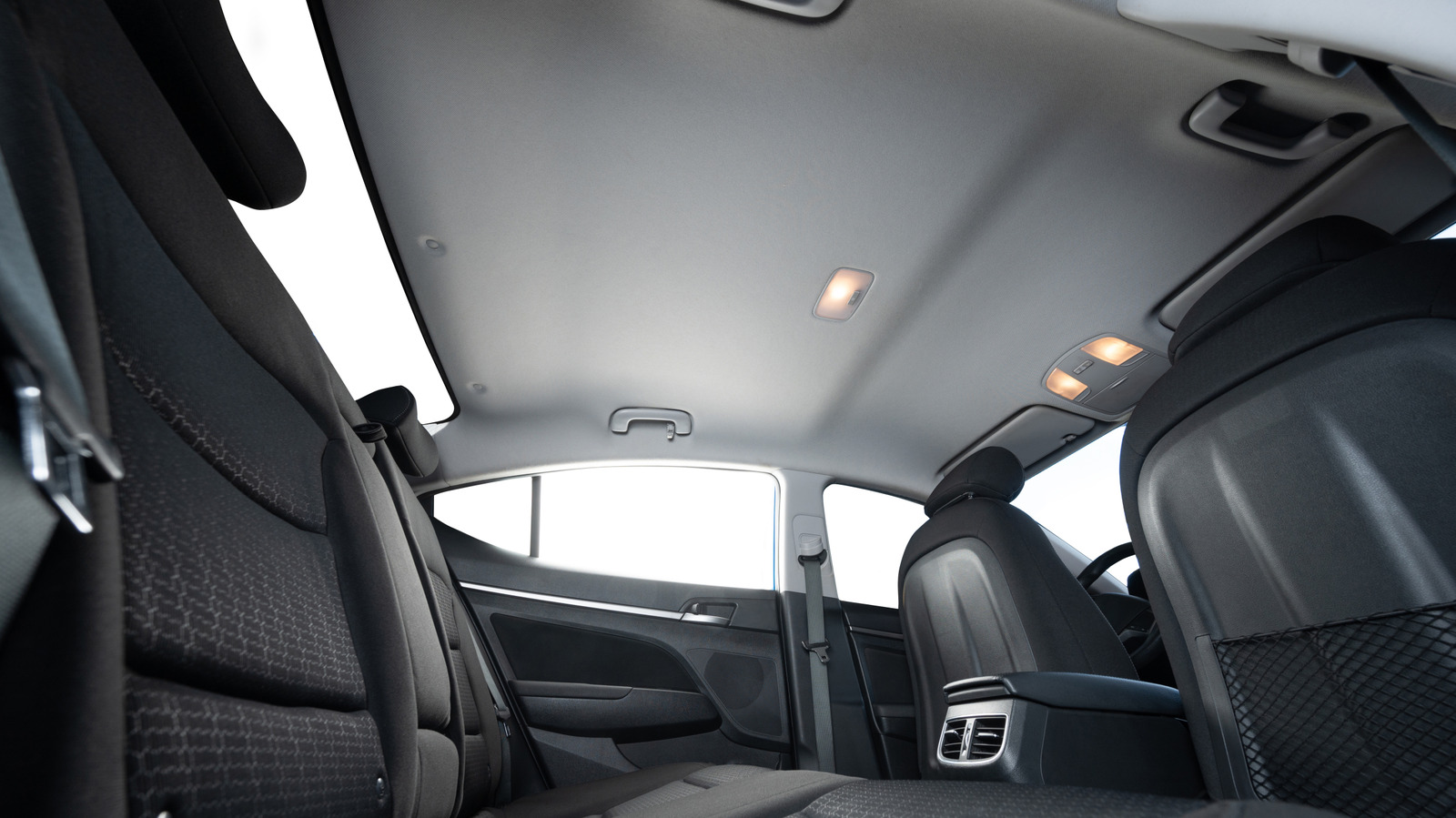
Car interiors have undergone significant transformations in recent years, with a shift towards minimalism, advanced technology, and sustainable materials. While many drivers focus on aspects like seating and dashboard design, the headliner—the material covering the ceiling of a vehicle—often goes overlooked. Yet, choosing the right headliner material can drastically affect both aesthetics and functionality within the cabin.
According to AutoZone, the most versatile option for car headliners is foam-backed fabric. This material is not only affordable but also easy to install and closely resembles factory designs. However, drivers have several materials to consider, each offering unique advantages and disadvantages.
Evaluating Headliner Materials
When selecting a headliner material, options include foam-backed fabric, vinyl, suede, microsuede, and polyester. Each comes with its own set of characteristics that can influence a driver’s decision based on personal preferences and specific needs.
Foam-backed fabric is a popular choice due to its lightweight nature and flexibility. This material features a laminated fabric layer glued to the vehicle’s roof, which helps prevent sagging early in its life. However, excess heat can weaken the adhesive, leading to drooping over time. Despite this potential drawback, foam-backed fabric remains the standard in many factory models.
For drivers in humid climates or those who frequently use their vehicles, a vinyl headliner may be more suitable. Vinyl is known for its durability and ease of cleaning, making it resistant to weather-related deformities. This makes vinyl a favored option for convertibles and vehicles exposed to varying environmental conditions. On the downside, vinyl lacks the softness and sound-dampening qualities of fabric alternatives, and repairs can be more challenging.
Suede and microsuede headliners offer a luxurious feel and are often selected for high-end vehicles. While true suede is generally the most expensive option, microsuede presents a more affordable alternative. Both materials, however, can be tricky to install due to their limited stretchability and may require special care during cleaning.
Polyester headliners are another option, known for their durability and affordability. This fully synthetic material is available in a wide array of colors and textures, making it versatile. Nevertheless, polyester may not provide the same premium feel as fabric or suede.
Caring for Your Headliner
Proper maintenance is crucial to prolonging the life of your vehicle’s headliner. A regular cleaning routine can prevent the accumulation of dirt and stains. Start by using a vacuum to remove loose debris, followed by a dry cleaning with a microfiber towel. Selecting the appropriate cleaning solution for the specific headliner material is essential to avoid damage.
For persistent stains, spray the cleaner onto the headliner and gently brush it in, ensuring the area dries thoroughly afterward. While a steamer can be effective for cleaning, it is advisable to have experience with this method to avoid potential damage.
To protect the headliner, avoid direct sunlight whenever possible. Address any leaks from windows, sunroofs, or windshields promptly, as moisture buildup can lead to mold and further complications. Routine vacuuming, minimizing contact with the headliner, and utilizing dehumidifiers inside the vehicle can also help maintain a clean and appealing interior.
Periodic deep cleanings, especially for lighter-colored headliners, can prevent discoloration and wear. By following these care guidelines, drivers can enjoy a well-maintained headliner that enhances the overall experience of their vehicle.