
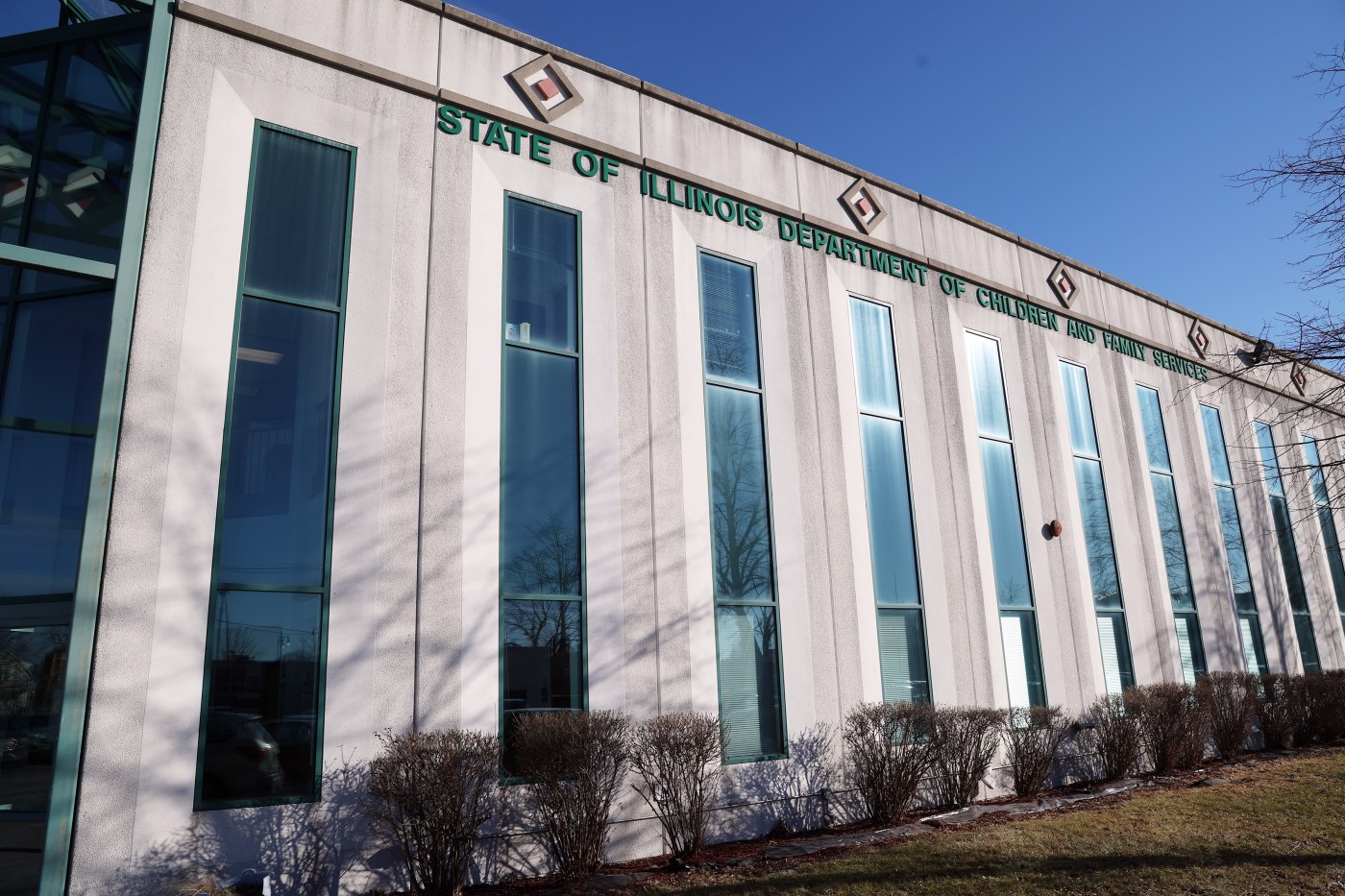
A new pilot program in Illinois aimed at supporting families involved in the child welfare system has ignited debate among child welfare advocates and researchers. The initiative, which partners with the Illinois Department of Children and Family Services, seeks to examine the impact of cash assistance on family stability and child safety.
Mike Shaver, the CEO of Brightpoint, a child and family services organization with over 142 years of history, has defended the program against criticism from academics. In a recent op-ed, professors Sarah A. Font and Emily Putnam-Hornstein questioned whether providing financial support to parents who have mistreated children is effective in improving child welfare outcomes. Shaver argues that Illinois deserves praise for exploring difficult questions about family support rather than condemnation for its innovative approach.
The pilot program involves a study of 800 families, where half will receive an average of $500 per month for a year. All participating families are already enrolled in the Intact Family Services program, which aims to prevent crises that could lead to children entering foster care. Shaver emphasized that the study is not claiming cash assistance is a panacea for child maltreatment but rather exploring whether financial support can alleviate some of the stressors associated with poverty that lead to neglect.
The link between poverty and child neglect remains a contentious issue. Shaver noted that if the relationship were clearly established, such a study would not be necessary. He advocates for curiosity and inquiry, suggesting that the question of whether cash assistance can improve family dynamics warrants investigation.
Addressing the Root Causes of Family Struggles
Critics of the cash assistance model argue that the complexities of family problems extend beyond financial support. Tecoria Jones, board secretary for Be Strong Families, stated that family issues, such as unemployment, substance abuse, and domestic violence, are often compounded by environmental factors. She emphasized the need for a comprehensive approach that considers the broader community context.
Jones articulated the deep emotional toll of poverty, noting that financial struggles can undermine self-worth and the ability to thrive. She pointed out that previous studies, including findings reported by CNBC, indicated that financial relief during the COVID-19 pandemic led to significant improvements in family well-being, including a reduction in food insufficiencies by 42% and financial hardships by 43% in households with children.
The debate continues as various stakeholders express their opinions on the efficacy of financial assistance in child welfare. While critics argue against the model based on past evaluations, proponents highlight emerging data suggesting positive outcomes. For instance, research on programs like Rx Kids indicates that cash transfers may reduce maltreatment allegations and improve health outcomes for families.
Political and Social Ramifications
Historically, child welfare policy has garnered bipartisan support, exemplified by the passage of the Family First Prevention Services Act during former President Donald Trump‘s administration. This act facilitated federal funding for evidence-based interventions aimed at preventing children from entering foster care. However, recent opinion pieces, including the one by Font and Putnam-Hornstein, reflect a growing skepticism about cash assistance programs.
Marrianne McMullen, a former foster parent and child welfare advocate, expressed concern over the negative narrative surrounding financial support initiatives. She criticized the push against cash assistance, arguing that it undermines efforts to address the root causes of child welfare issues, such as housing insecurity and lack of basic resources.
The conversation surrounding child welfare is crucial, and the impacts of financial assistance programs on family stability and child safety remain to be thoroughly examined. As Illinois continues its pilot program, the outcome may provide valuable insights into the role of economic support in fostering healthier family dynamics and safeguarding children.
Ultimately, as stakeholders engage in this important dialogue, the data collected from the pilot program may inform future policy decisions and shape the landscape of child welfare in Illinois and beyond.


