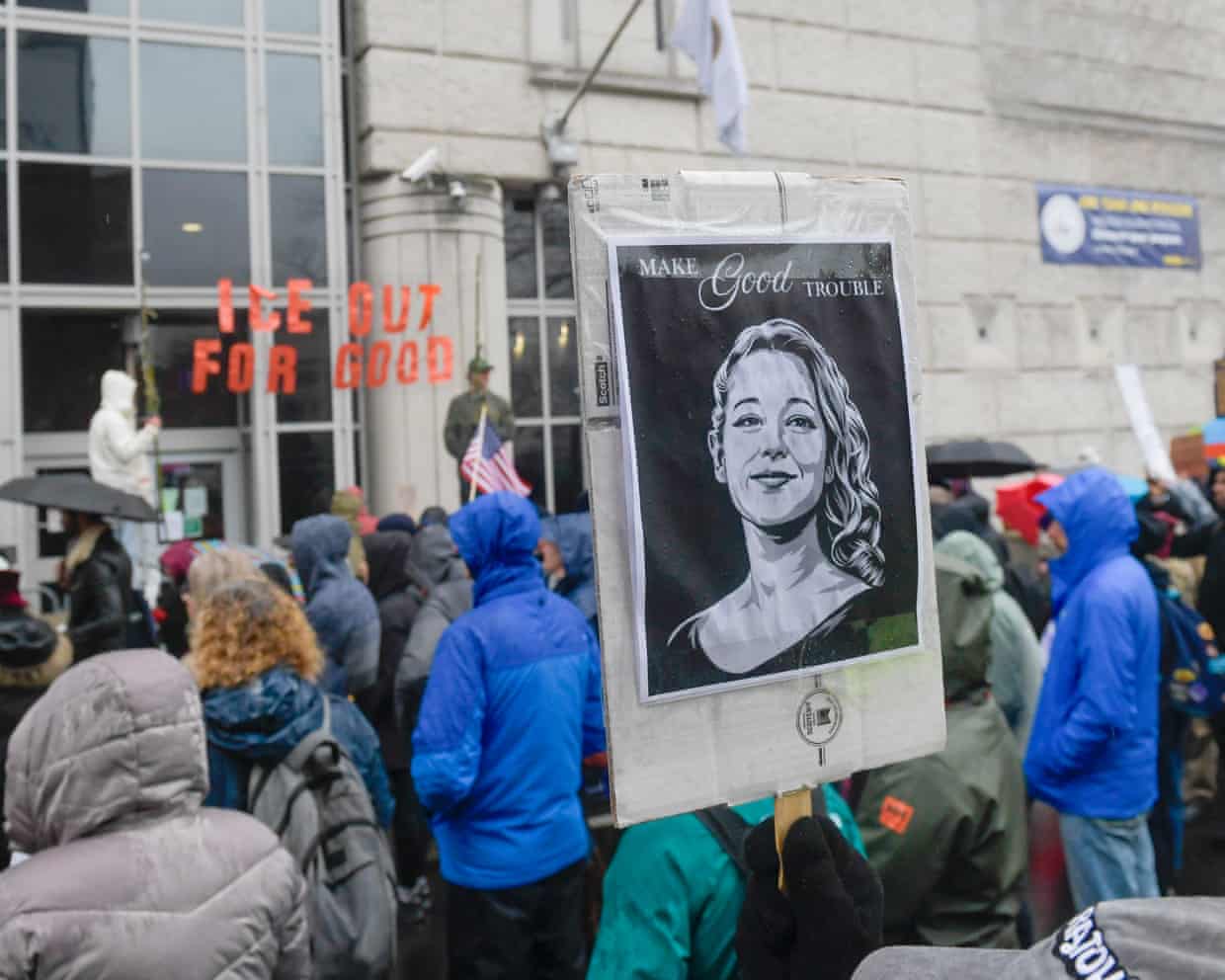
Demonstrations across the United States intensified over the weekend in response to the killing of Renee Nicole Good by Immigration and Customs Enforcement (ICE) agents in Minneapolis. Hundreds gathered in cities including Philadelphia, Boston, and San Francisco to voice their outrage against ICE and the broader implications of governmental violence. The protests, part of a national weekend of action organized by various groups, highlighted deep-seated frustrations regarding immigration policies and U.S. intervention abroad.
In Philadelphia, two distinct protests began at city hall and proceeded to the federal detention center. The morning rally, organized by the No Kings coalition, featured primarily older white adults, while the afternoon gathering, coordinated by the local chapter of the Democratic Socialists of America, attracted a more racially diverse crowd. Despite their different demographics, both groups united in their calls for an end to ICE operations in their communities and criticized the U.S. administration’s foreign policies, particularly regarding Venezuela.
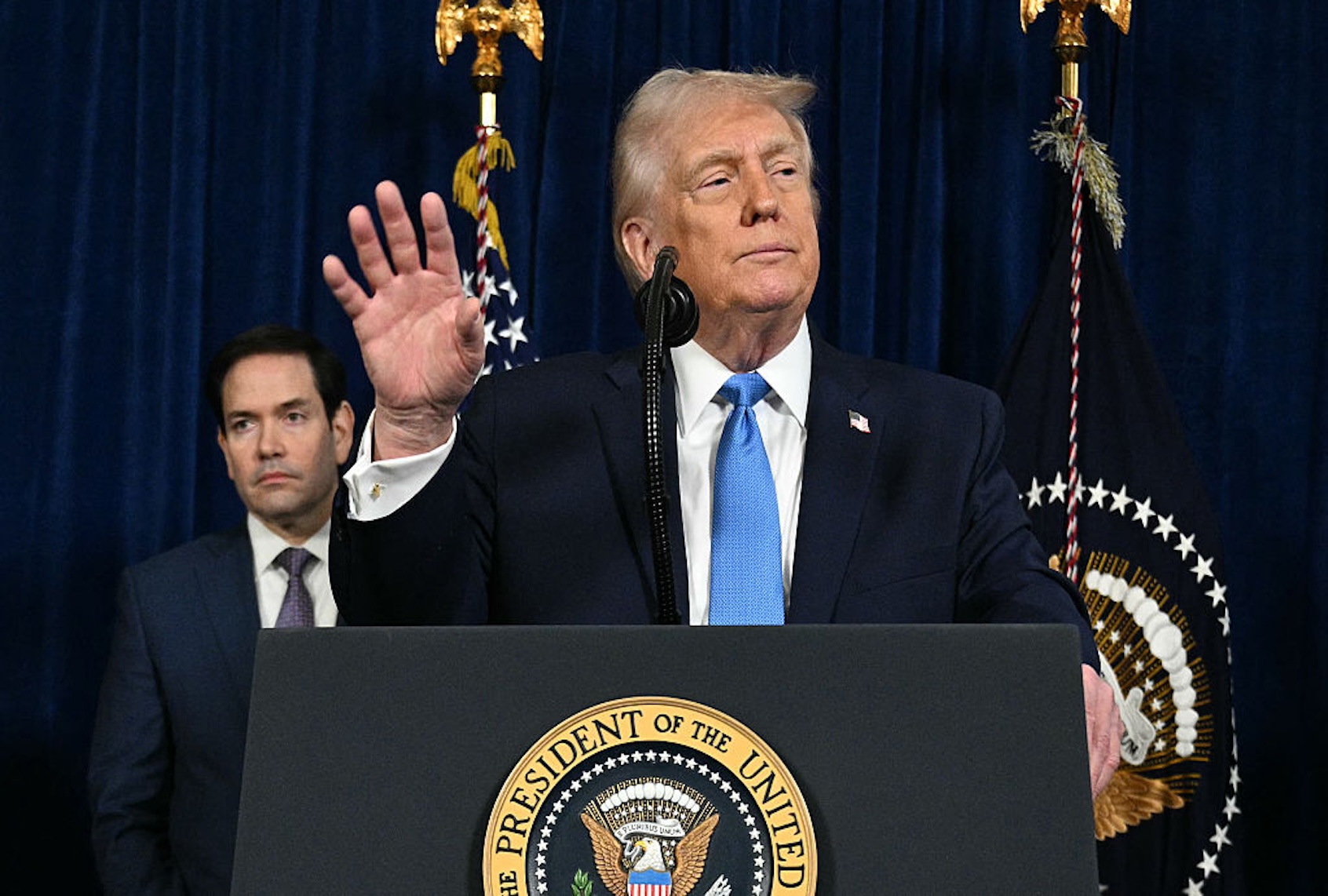
“From Venezuela to Minneapolis, we’re witnessing a regime that is willing to kill its own citizens and foreign nationals to maintain power,” stated Deborah Rose Hinchey, co-chair of the Philadelphia DSA chapter, during the afternoon protest. The demonstrations were part of a larger movement sparked by the recent killing of Good and occurred in the context of escalating tensions surrounding U.S. actions in Venezuela, where President Donald Trump has been accused of pursuing aggressive interventions.
Protests like those in Philadelphia were among more than a thousand planned nationwide, reflecting a surge in activism following three shootings involving ICE in the previous week. Events were coordinated by national organizations, including Indivisible and the American Civil Liberties Union (ACLU). “They’re murdering legal observers and invading countries for oil,” said Rick Krajewski, a Pennsylvania representative, addressing the crowd. “This is murder and illegal war crimes.”
With demonstrations scheduled in all 50 states, protesters remained active into Sunday, chanting slogans and calling for systemic change. In Minneapolis, where tensions were particularly high, crowds swelled into the thousands, emphasizing their demands with chants such as “Fuck ICE, ICE out!” and repeatedly invoking Good’s name. The protests also drew attention from lawmakers, with U.S. Representatives Ilhan Omar, Kelly Morrison, and Angie Craig attempting to enter an ICE facility in Minneapolis, only to be denied entry.
The atmosphere surrounding these protests has grown increasingly charged. In Hartford, Connecticut, vehicles believed to belong to ICE agents reportedly drove into a crowd, resulting in three arrests. Similarly, in Portland, six protesters were taken into custody amid another ICE-related incident. In Minneapolis, local police reported 30 arrests connected to property damage during protests, heightening the stakes for demonstrators.
Political leaders in Minnesota, including Mayor Jacob Frey and Governor Tim Walz, expressed support for law enforcement while navigating a complex relationship with ICE. This tension was further illustrated when the local police union publicly supported ICE, contrasting with Frey’s more vocal opposition to the agency.
In Philadelphia, the police maintained a hands-off approach during the protests, allowing demonstrators to voice their anger without interference. Participants included educators and long-time activists, many of whom shared personal stories about the impact of systemic violence. One history teacher, who spoke on the condition of anonymity, mentioned how her students, predominantly from marginalized communities, reacted to Good’s killing. “They already experience violence from the system and realize there’s just another force out there,” she explained.
As the protests unfolded, some participants drew parallels between current events and historical injustices. “I’m Jewish, and I’ve been studying the Holocaust for as long as I can remember,” a protester named Mary remarked. “The more outrageous events occur, the more we become numb to them. Complacency is a threat.”
The economic implications of the protests also resonated with attendees, many of whom criticized the prioritization of funding for immigration enforcement over basic needs for American citizens. “Until we have every child fed and housed, there’s no reason to put any money into immigration enforcement,” said Cara, another protester. This sentiment echoed the remarks of Francesca, a member of the national DSA political committee, who linked domestic struggles to ongoing international conflicts.
“People are struggling to pay rent, healthcare, and groceries. Yet, there is always money for war,” Francesca stated, emphasizing the disconnect between governmental spending priorities and the realities faced by many Americans.
Organizers believe that this dissonance will continue to fuel protests. “The more the public sees what this regime is doing, the more we will see people in the streets,” Hinchey concluded, reinforcing the urgency felt by many across the nation. As protests evolve, they reflect not only a response to ICE’s actions but also a broader call for social justice and systemic change in the face of perceived government overreach.