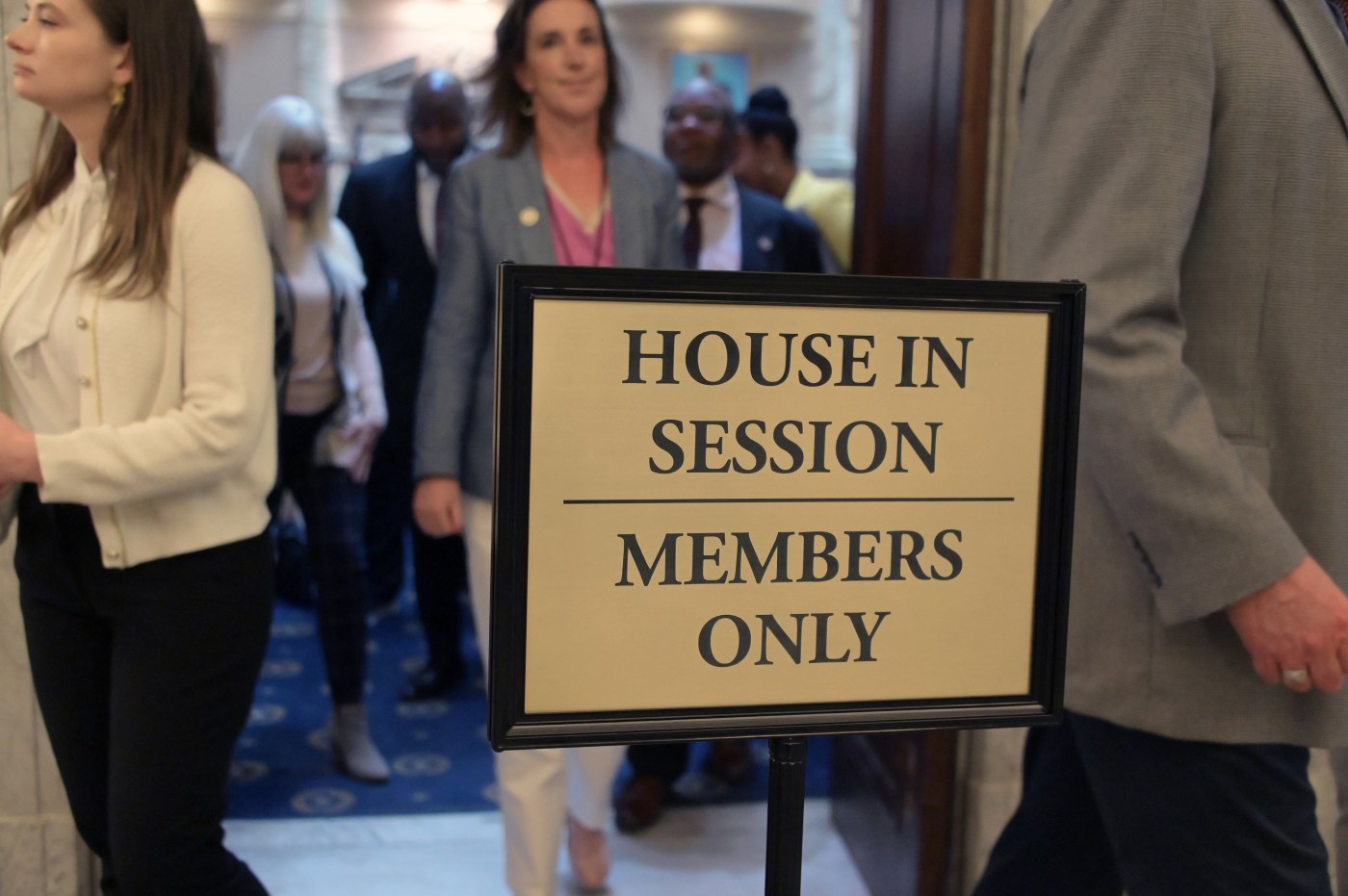
As the Maryland General Assembly gears up for its annual 90-day session starting on March 27, 2024, state lawmakers are confronted with a significant challenge: addressing a projected cash shortfall of $1.5 billion for the upcoming fiscal year (2027). The dual pressures of rectifying this deficit while ensuring reelection for many incumbents create a complex political landscape.
Last year, Maryland faced a similar financial dilemma with a staggering $3 billion budget gap. Lawmakers managed to balance the budget through a mix of tax increases and budget cuts, but that solution proved temporary. Contributing factors to the current deficit include rising inflation, significant job losses—the highest in the nation—and a substantial commitment to public education under the Blueprint for Maryland’s Future initiative.
Challenges Ahead for Lawmakers
Governor Wes Moore has already committed to avoiding major tax increases during the current legislative session, a decision likely influenced by the upcoming election. As affordability becomes the focal point for both parties, lawmakers, including new House Speaker Joseline Peña-Melnyk, must explore alternative solutions to address the deficit without sacrificing education reforms. The legislature’s spending affordability committee has highlighted several pressing questions that need resolution.
Firstly, the direction of Maryland’s economy poses a critical concern. With the Board of Revenue Estimates projecting employment growth at a mere 0.1% for 2027 and 2028, the outlook for tax revenue is bleak. This stagnation could exacerbate the deficit, potentially escalating it to $2.7 billion by the next term and reaching $3.5 billion by fiscal year 2031.
Another issue is the state’s “Rainy Day” fund, which currently holds approximately $2 billion. Tapping into these reserves may seem tempting as the state grapples with its budgetary issues. However, doing so risks further downgrading Maryland’s bond rating, which was reduced from AAA to Aa1 by Moody’s last year, leading to increased long-term borrowing costs.
Impact on Transportation and Social Services
Transportation funding is also under scrutiny. Lawmakers recently raised various transportation-related fees, including car registration and tire purchases, but these hikes have not generated enough revenue for the Transportation Trust Fund. This fund is crucial for road repairs, new bus purchases, and maintaining public transit services, all of which are now at risk of cutbacks.
The implications for low-income households are particularly concerning. Maryland faces increased demands to cover a larger share of costs for the Supplemental Nutrition Assistance Program (SNAP) and compliance with new federal work requirements for certain Medicaid recipients. For fiscal year 2027 alone, Maryland will need to allocate an additional $59.6 million for SNAP, increasing to $223.7 million in fiscal year 2028.
Lawmakers may consider reducing certain tax benefits that disproportionately favor affluent corporations. Suggestions include eliminating the tax credit for film producers and reassessing the state’s new jobs tax credit, which has been criticized for its complexity and ineffectiveness.
As the legislative session unfolds, the choices facing Maryland’s lawmakers will be crucial. Striking a balance between spending cuts and tax adjustments is essential to address the budget deficit responsibly. The decisions made in the coming months will not only impact the state’s financial health but also the lives of its residents. It is imperative that lawmakers approach these challenges with seriousness and a commitment to responsible governance.