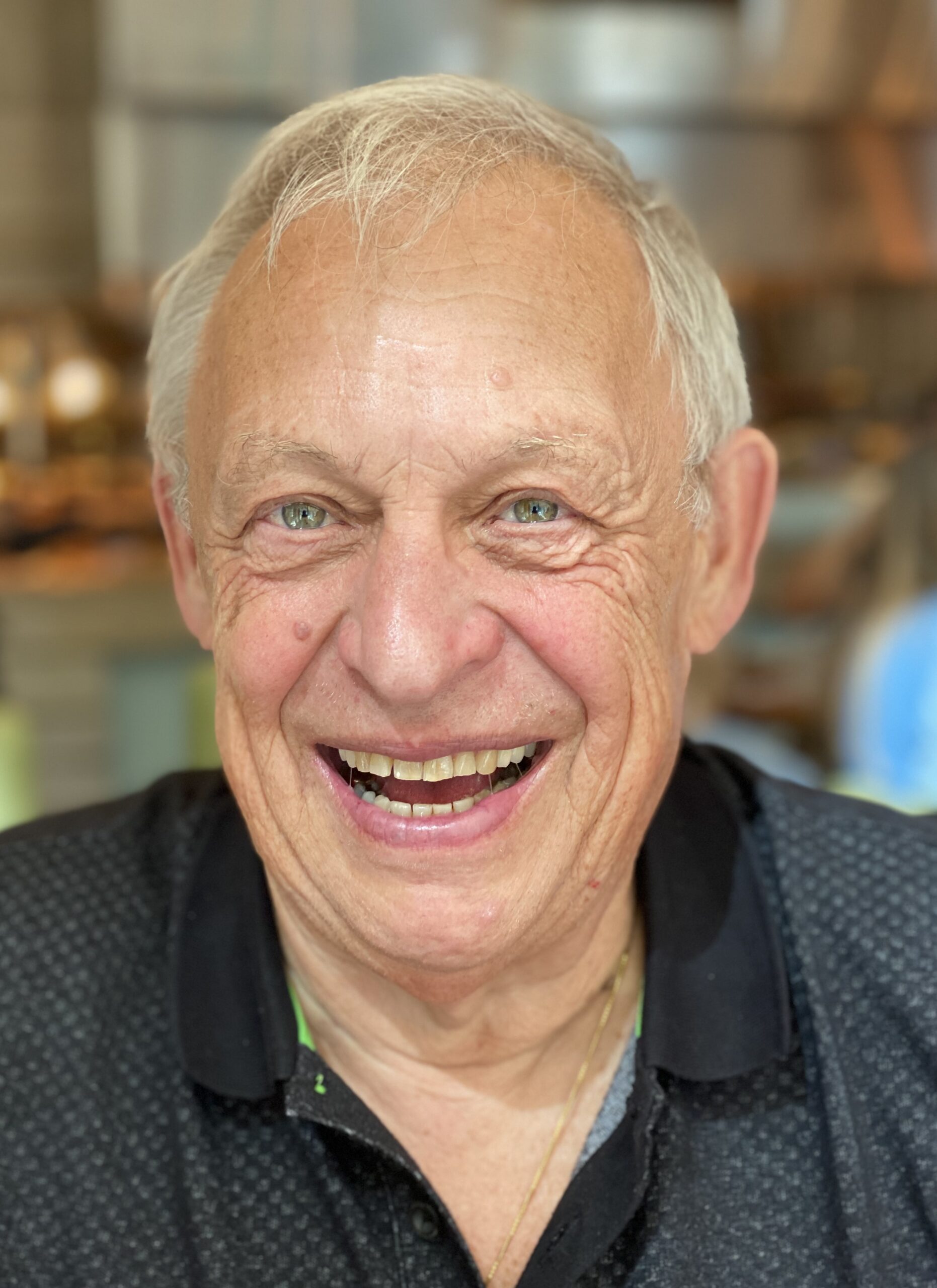
Dr. Mathis Frick, a prominent figure in the scientific community, passed away on December 25, 2025, at the age of 81. Born on February 4, 1944, in Zurich, Switzerland, he was the son of the late Willi and Elsbeth Frick. His contributions to the field of science have left a lasting impact, earning him respect and admiration from colleagues and students alike.
Throughout his career, Dr. Frick was known for his pioneering research in various disciplines. He earned his doctorate from the University of Zurich and devoted over four decades to academia, including teaching and mentoring countless students. His work not only advanced scientific knowledge but also inspired future generations of researchers.
Dr. Frick held numerous positions in esteemed institutions, with a notable tenure at the Swiss Federal Institute of Technology (ETH Zurich). His research focused on sustainable energy solutions and environmental science, which were critical areas of study as global concerns about climate change intensified.
His colleagues remember him not just for his academic achievements but also for his warm personality and passion for teaching. Many have shared anecdotes about his engaging lectures and the encouragement he provided to young scientists. As a mentor, he was dedicated to fostering talent and nurturing curiosity among his students.
The scientific community mourns the loss of a visionary leader. In a statement, the ETH Zurich expressed, “Dr. Frick’s contributions to science were invaluable, and his legacy will continue through the many lives he touched.” His work will be remembered not only for its academic significance but also for its human impact.
Dr. Frick is survived by his family, including his children and grandchildren, who continue to honor his memory. The family has requested privacy during this difficult time and plans to hold a private memorial service to celebrate his life and achievements.
As tributes pour in from around the world, the legacy of Dr. Mathis Frick serves as a reminder of the profound influence one individual can have on the scientific community and beyond.