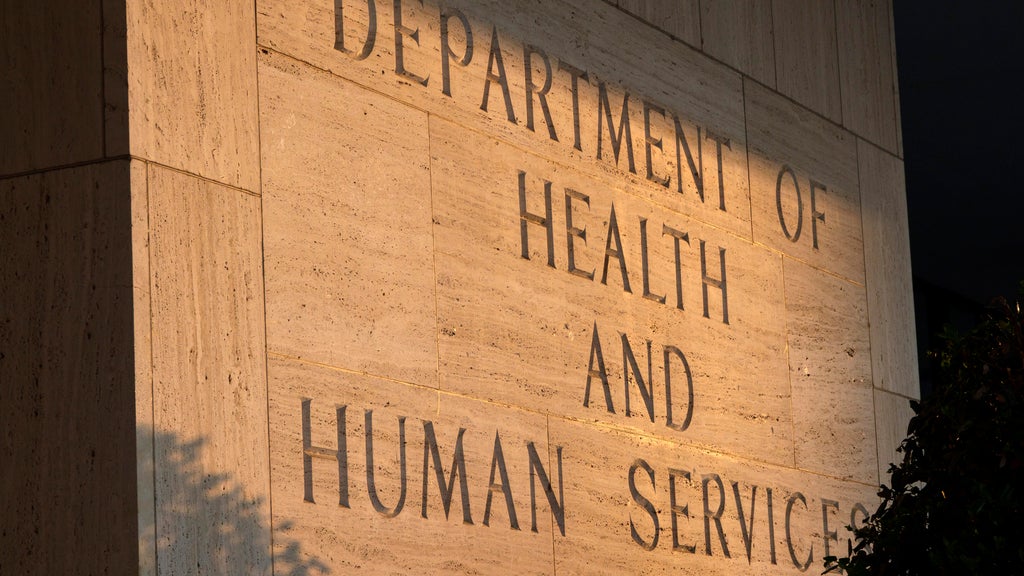
A federal judge has intervened to prevent the U.S. Department of Health and Human Services (HHS) from freezing approximately $10 billion in social services funding allocated to five Democratic states. The funding freeze was announced earlier this week, with the agency claiming it was necessary to combat fraud within social programs. The states involved in this legal challenge include California, New York, Minnesota, Illinois, and Colorado.
On October 27, 2023, U.S. District Judge Arun Subramanian granted a temporary restraining order, halting the funding freeze for a period of 14 days. This decision allows the court to consider a request for a longer-term injunction against the proposed funding cuts.
The proposed funding freeze would have resulted in a loss of over $7 billion from the Temporary Assistance for Needy Families (TANF) program, alongside $2.4 billion from the Child Care Development Fund and $870 million in social services grants.
The funding freeze was framed by the Trump administration as a necessary measure to address alleged widespread fraud in social programs managed by Democratic states. This issue gained prominence following reports that substantial sums were misappropriated from child nutrition, housing, and autism initiatives in Minnesota. HHS Secretary Robert F. Kennedy Jr. defended the agency’s actions, stating that the affected states were being penalized not for their political affiliation, but for their purported lack of cooperation in developing strategies to eliminate fraud.
Kennedy emphasized, “The best way to help poor families is to end the fraud so that the money that is available for them. And that’s what we’re doing.” He noted that states had received warnings prior to the funding freeze, asserting that funding would be cut off until a viable plan to address the concerns was presented.
In response, the five states filed a lawsuit against HHS in Manhattan federal court, arguing that the administration’s focus on fraud was merely a “pretext” to target states that are “disfavored.” They described the funding cuts as an “extraordinary and cruel” action that could significantly impair programs vital to vulnerable children and families.
The states contend that the federal government cannot terminate funding based solely on “mere allegations or suspicion of fraud” without allowing states the opportunity to respond and appeal such decisions. Illinois Attorney General Kwame Raoul expressed satisfaction with the court’s ruling, stating, “There is no justification for this attempted funding freeze. It is a cruel and illegal attempt by the Trump administration to play politics with the lives of children and low-income families.”
As the situation develops, the court’s ruling provides temporary relief for the affected states, allowing them to continue essential social services while the legal battle unfolds. The outcome of this case could have significant implications for federal-state relations and the integrity of social service funding across the nation.