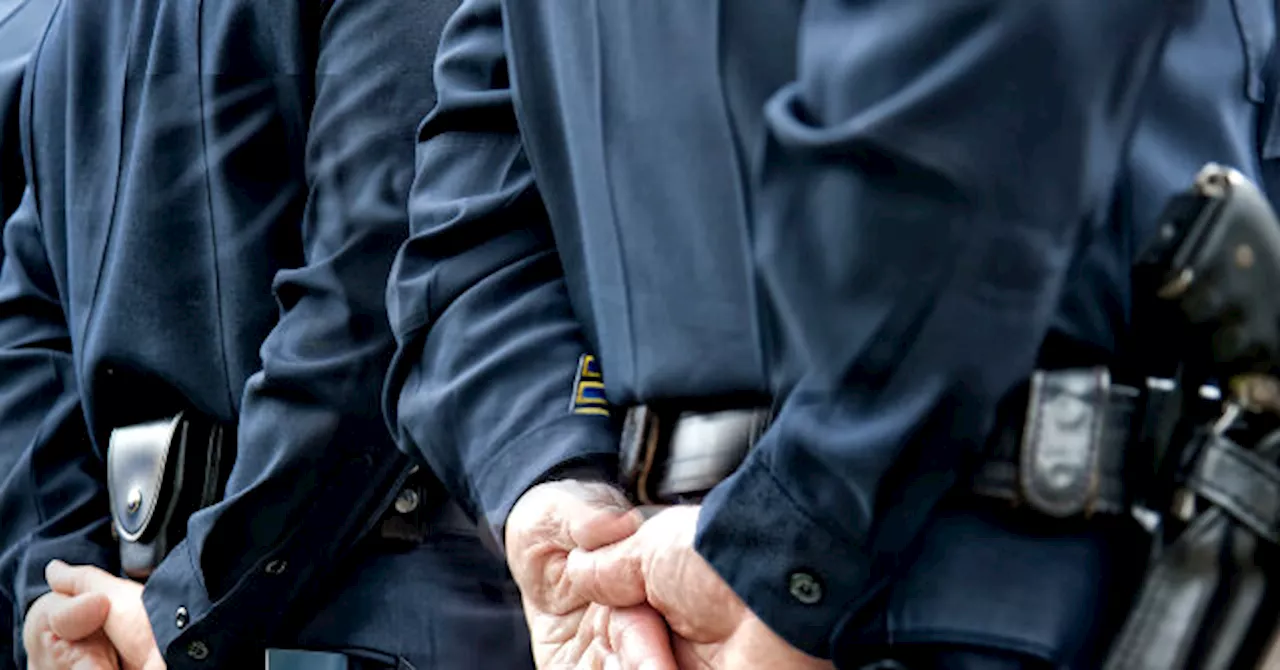
The Minnesota Police and Peace Officers Association has issued a strong rebuke of political rhetoric directed against law enforcement, particularly concerning the actions and presence of Immigration and Customs Enforcement (ICE) agents. This statement follows a recent incident in which an ICE officer fired shots during a confrontation in Minneapolis, prompting discussions about the safety of law enforcement in volatile situations.
In a statement released on September 27, 2023, the association characterized the remarks made by some politicians as “reckless rhetoric” that endangers officers. The statement specifically addressed criticisms aimed at ICE following a situation where an officer felt threatened and discharged his weapon. The association defended the actions of the officer, stating, “An ICE officer, fearing for his life, the lives of his fellow law enforcement and the safety of the public, fired defensive shots.” They emphasized that the officer acted based on his training to protect himself and others.
The incident has sparked intense discussions about the role of ICE in communities and the responses from political leaders. Some politicians have openly expressed their opposition to ICE’s operations, with calls from Rep. Rashida Tlaib suggesting that protesting against ICE is a “patriotic duty.” The Minnesota Police and Peace Officers Association countered these sentiments, arguing that “irresponsible, reckless rhetoric from political leaders attacking law enforcement has real & dangerous consequences for officers on the street.”
The tensions escalated further during protests related to ICE’s presence in the area. Reports indicate that federal agents utilized pepper spray and other irritants to disperse crowds, highlighting the friction between law enforcement and demonstrators. The Minnesota chapter of the American Civil Liberties Union (ACLU) criticized the use of such measures, stating that they could exacerbate already tense situations.
Governor Tim Walz has responded to the growing unrest by urging calm within the community and calling for constructive dialogue about law enforcement practices. He emphasized the need for a balanced approach that respects both public safety and civil rights.
The Minnesota Police and Peace Officers Association’s statement reflects a broader concern among law enforcement officials about the impact of political discourse on their safety and effectiveness. As tensions between law enforcement and community members continue to rise, the association’s appeal for more measured language from leaders emphasizes the critical need for dialogue that fosters understanding rather than division.
As the situation in Minneapolis develops, both community members and law enforcement officials are left to navigate the complexities of safety, rights, and the role of federal agencies in local contexts. The ongoing discussions surrounding ICE’s operations and the reactions from political leaders will likely shape the future of law enforcement in Minnesota and beyond.