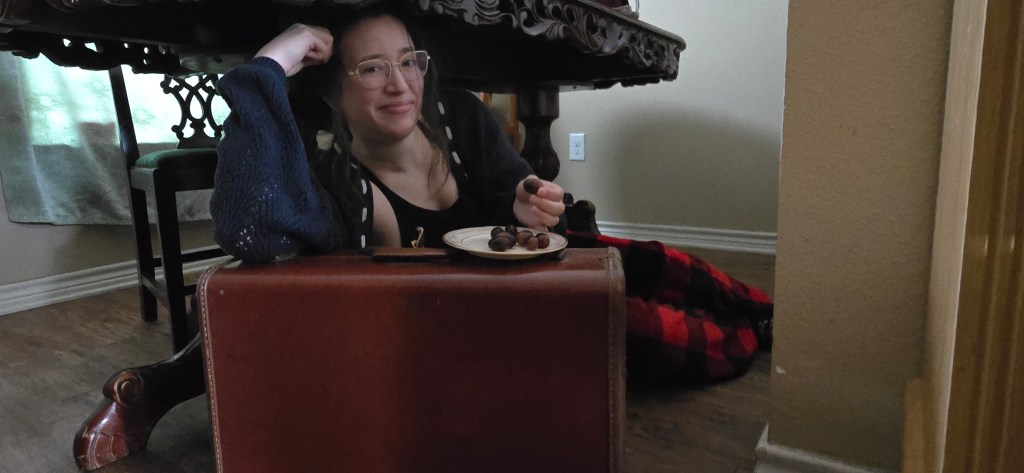
As the clock struck midnight on January 1, 2026, families across Southeast Texas embraced a rich cultural tradition known as Las Doce Uvas de la Suerte, or the Twelve Grapes of Good Luck. This ritual, deeply rooted in Spanish and Latin American customs, sees participants consume twelve grapes in sync with the twelve chimes of the clock, each grape representing a month filled with hopes and wishes for the upcoming year.
In communities stretching from Beaumont to Port Arthur, and from Orange to Baytown, this tradition creates a sense of unity and reflection. Many families gather in living rooms, backyards, and church halls, sharing their intentions for the year ahead. This year, Emily Flores, a forensics major at Lamar University, shared her personal aspirations as she participated in this heartfelt custom.
At the stroke of midnight, Emily and her family consumed their grapes, each bite accompanied by a silent wish for the coming year. She articulated her goals with clarity, focusing on twelve disciplines to support her journey as a student and independent woman. “First, I want clarity to commit to understanding my purpose in forensics and trusting the path I am on, even when it feels overwhelming,” she explained.
Emily’s list included aspirations such as discipline in her study habits, curiosity for learning, and resilience in the face of challenges. She emphasized the importance of independence, financial awareness, and emotional boundaries. “Dreams become a reality when thoughts become actions. That is something I live by,” she noted, demonstrating the significance of intention behind the tradition.
The ritual of consuming grapes has been passed down through generations, often learned through observation rather than formal instruction. Children giggle as they try to keep pace with the clock, while elders encourage them to make their wishes count, regardless of the grapes’ sweetness or the timing’s precision.
Beyond the grapes, many families incorporate additional symbolism into their celebrations. Some choose to wear specific colors, like red for love or yellow for abundance, while others tuck dollar bills into shoes or step outside with suitcases, inviting prospects of travel in the new year. For Emily, the hope of travel is intertwined with her ambitions in the field of forensic science.
“Travel is inevitable in my pursuit of becoming a forensic pathologist. Eventually, I will have the opportunity to see the world,” she shared, emphasizing that her goals extend beyond academia.
As fireworks lit the sky and the first moments of the year unfolded, the empty plates from the grapes served as a poignant reminder of the promises made in the spirit of Las Doce Uvas de la Suerte. This tradition has become a cultural touchstone across Southeast Texas, embodying the collective hope shared by families as they welcome a new year filled with possibilities.
In a region where various cultures converge, the ritual highlights the importance of community and shared experiences. The act of eating grapes, accompanied by whispered wishes, transforms the New Year into a moment of reflection and intention, celebrating not just the passage of time but the aspirations that define the year ahead. As families unite in this tradition, they reaffirm a belief that luck favors those who step into the new year with purpose and hope.