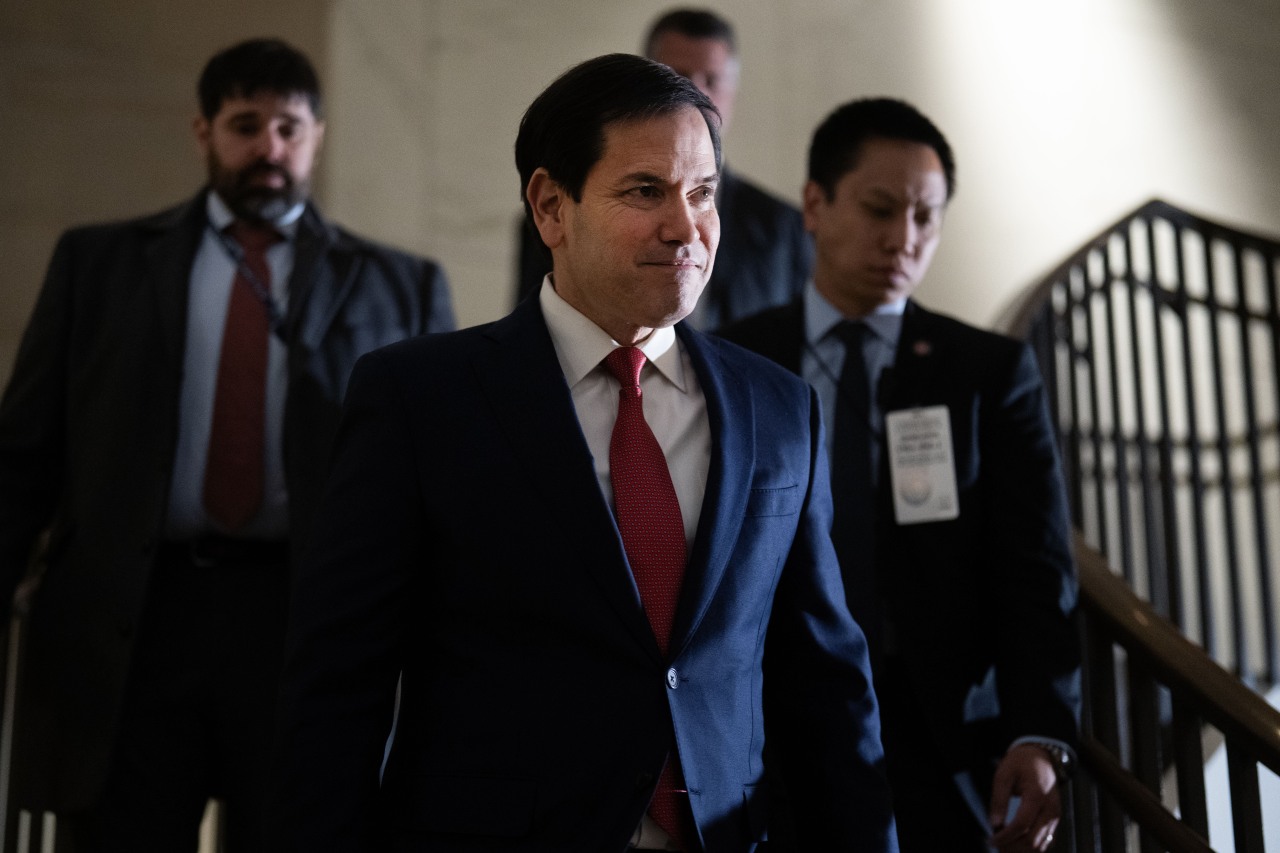
In a notable political evolution, U.S. Secretary of State Marco Rubio has shifted from being a vocal critic of Donald Trump to one of his closest advisors. This transformation highlights Rubio’s strategic embrace of the “Make America Great Again” (MAGA) movement, allowing him to play a significant role in shaping U.S. foreign policy, particularly in relation to Latin America.
Rubio’s journey began in the 2016 presidential campaign when he openly challenged Trump, criticizing his approach and rhetoric. As a prominent figure in the Republican Party, Rubio had a vision for the future of Latin America, advocating for democratic values and economic reforms. However, his stance began to shift as he recognized the influence and electoral power of Trump’s base, ultimately leading him to realign his political strategies.
Latin America has been a long-standing focus for Rubio, who has consistently emphasized the importance of U.S. engagement in the region. His passion for fostering democratic governance and economic stability reflects his Cuban-American heritage and personal commitment to the region’s challenges. Under his influence, the U.S. has pursued policies aimed at supporting opposition movements in countries like Venezuela and Nicaragua, aligning with Trump’s broader foreign policy agenda.
The shift in Rubio’s relationship with Trump is representative of a larger trend within the Republican Party, where loyalty to Trump has become a crucial factor in political survival. Since taking office as Secretary of State, Rubio has worked closely with Trump to advance initiatives that resonate with the MAGA base. His role has included advocating for sanctions against authoritarian regimes and promoting U.S. investments in Central American economies to stem the tide of migration.
As Secretary of State, Rubio’s influence extends beyond Latin America. He has also been involved in shaping U.S. responses to global challenges, balancing traditional diplomatic practices with the more assertive approach favored by Trump. His ability to navigate this complex political landscape has garnered him both praise and criticism. Supporters argue that his experience and connections enable him to effectively represent American interests, while detractors question whether his alignment with Trump compromises his original ideals.
The changing political dynamics in the United States have prompted Rubio to adapt his strategies, emphasizing loyalty over previous criticisms. As he continues to serve under Trump, his actions will likely have lasting implications for U.S. foreign policy and the Republican Party’s direction.
In summary, Marco Rubio‘s transformation from critic to advisor reflects a broader shift within American politics. As he embraces the MAGA movement, his influence on U.S. policy towards Latin America and beyond will be closely watched by supporters and opponents alike. The coming years will reveal the long-term impact of this political evolution on both Rubio’s career and the United States’ role on the global stage.