The Centers for Disease Control and Prevention (CDC) has revised its childhood vaccination schedule, now recommending vaccinations for only 11 diseases instead of the previous 18. This significant change has sparked debate among healthcare professionals and parents, with some advocating for adherence to the earlier guidelines.
The updated recommendations released by the CDC draw parallels to Denmark’s vaccination approach. However, Dr. Stephen Turkovich, President of Golisano Children’s Hospital in Buffalo, New York, and other pediatricians argue that the previous schedule, which was evidence-based, should remain in place. “My recommendation and the American Academy of Pediatrics’ recommendation is to actually not change anything,” stated Dr. Turkovich.
Key alterations in the CDC’s recommendations include the removal of vaccines for the flu, rotavirus, hepatitis A and B, certain types of meningitis, and RSV. These vaccines are now only suggested for specific high-risk groups or through shared clinical decision-making between healthcare providers and parents.
Dr. Turkovich noted the impact of the RSV vaccine in recent years, highlighting a decrease in hospitalizations. “Two, three years ago, if you came to Children’s Hospital, we would be overwhelmed with patients, both in the emergency room and on the floors,” he explained. “Right now, we have open beds on the floors. It’s remarkable. It’s great to see babies home, and healthy, and safe.”
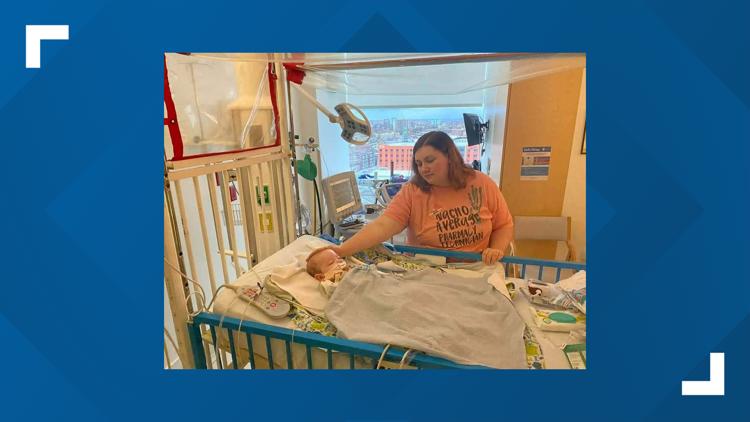
The experience of parents like Lauren Ingrao underscores the potential risks associated with RSV. Her twins, now three years old, faced severe health challenges when they were two months old. Despite Ingrao’s attempts to have them vaccinated against RSV, they did not qualify at that time. Her son was hospitalized in the Pediatric Intensive Care Unit (PICU) on a ventilator due to RSV, COVID-19, and pneumonia.
Ingrao described the traumatic experience: “When we got discharged, we couldn’t even go home because his twin sister had RSV too, so we had to stay separate for another week.” Thankfully, both twins have since recovered and are thriving. Ingrao emphasizes her strong belief in the importance of vaccines, stating, “I’d rather have autistic kids than dead kids any day, so if even that was something, that wouldn’t matter to me, but I’m definitely for the RSV vaccine for sure. It definitely saves lives.”
In response to the changes, the Trump administration has assured that insurance companies will continue to cover the childhood vaccines previously included in the schedule, aiming to maintain access for families. As this discussion evolves, many parents and healthcare professionals are left weighing the implications of the CDC’s revised recommendations for public health.