UPDATE: In a stunning operation, US special forces captured Venezuelan President Nicolas Maduro late Friday night, dramatically reshaping the political landscape in Venezuela. The operation unfolded as President Donald Trump monitored the event from his Mar-a-Lago estate in Florida, alongside key advisor Marco Rubio.
This bold action comes after years of strategic planning aimed at dismantling Maduro’s regime, which has been a top priority for Rubio, a prominent voice on Venezuelan affairs. As the son of Cuban immigrants, Rubio’s commitment to addressing the crisis resonates deeply with the Venezuelan immigrant community in South Florida.
In a significant move, Trump has tasked Rubio with overseeing post-Maduro governance, a role that solidifies his influence within the administration, yet raises serious questions about the feasibility of managing a country in turmoil. “There’s a lot about Venezuela that is not easily governed,” cautioned a former senior US diplomat, highlighting the complexities of the situation.
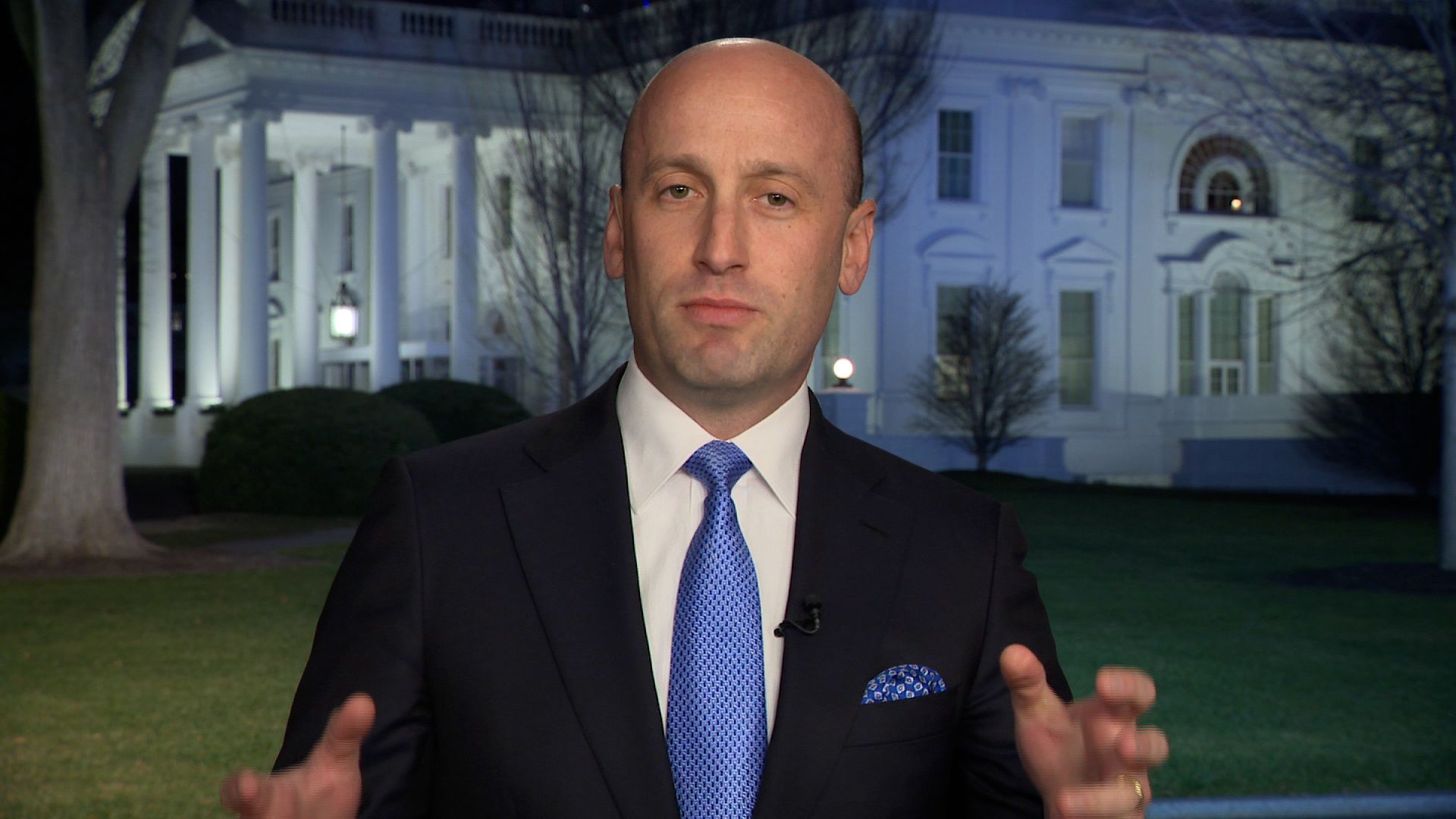
Early reports indicate that Rubio and Deputy Chief of Staff Stephen Miller collaborated closely in the months leading up to the raid, finalizing strategies in the White House. This small circle of advisors, wary of leaks, has played a crucial role in shaping US policy towards Venezuela.
As the immediate aftermath of the operation unfolds, Rubio has begun engaging with Delcy Rodriguez, who has taken over as interim leader. The administration’s focus appears to be on economic coercion, aiming to pressure Rodriguez to cooperate with US interests while ensuring a stable transition away from Maduro’s rule.
Despite the swift action, critical voices in Washington are questioning the administration’s long-term plans for Venezuela. “There’s an enormous amount of planning that was done during the first Trump term related to a democratic transition in Venezuela,” noted a former official, emphasizing the uncertainty surrounding the next steps.
Many experts echo these concerns, pointing out that without a clear diplomatic presence, rebuilding efforts may falter. “If we’re in charge, they’re going to have to start naming people,” said Todd Robinson, former acting US ambassador to Venezuela. “Is it going to be military oversight? Diplomatic oversight?”
Rubio’s rise to prominence in this operation underscores a significant shift in US foreign policy, marked by a hardline approach to Maduro’s regime. Historically, Rubio has positioned himself as a staunch critic, labeling Maduro a “narco-dictator” and advocating for increased sanctions.
“My hope is that [the administration] really have planned this out, and there’s going to be a scheduled tick-tock of how this is going to go,” said Robinson, reflecting on the uncertainty ahead.
As the world watches closely, Rubio’s next steps will be pivotal in determining the future of Venezuela. His ability to navigate the complex political landscape, alongside the urgent need for a coordinated US strategy, will be crucial as the administration moves forward.
In the coming days, all eyes will be on Rubio and his team as they work to establish a new order in Venezuela. With the stakes higher than ever, the situation remains fluid, and the administration’s response will be closely scrutinized both domestically and internationally.
As developments unfold, the potential for a new chapter in Venezuela’s history hangs in the balance, making this a critical moment for US foreign policy and its implications for the region.