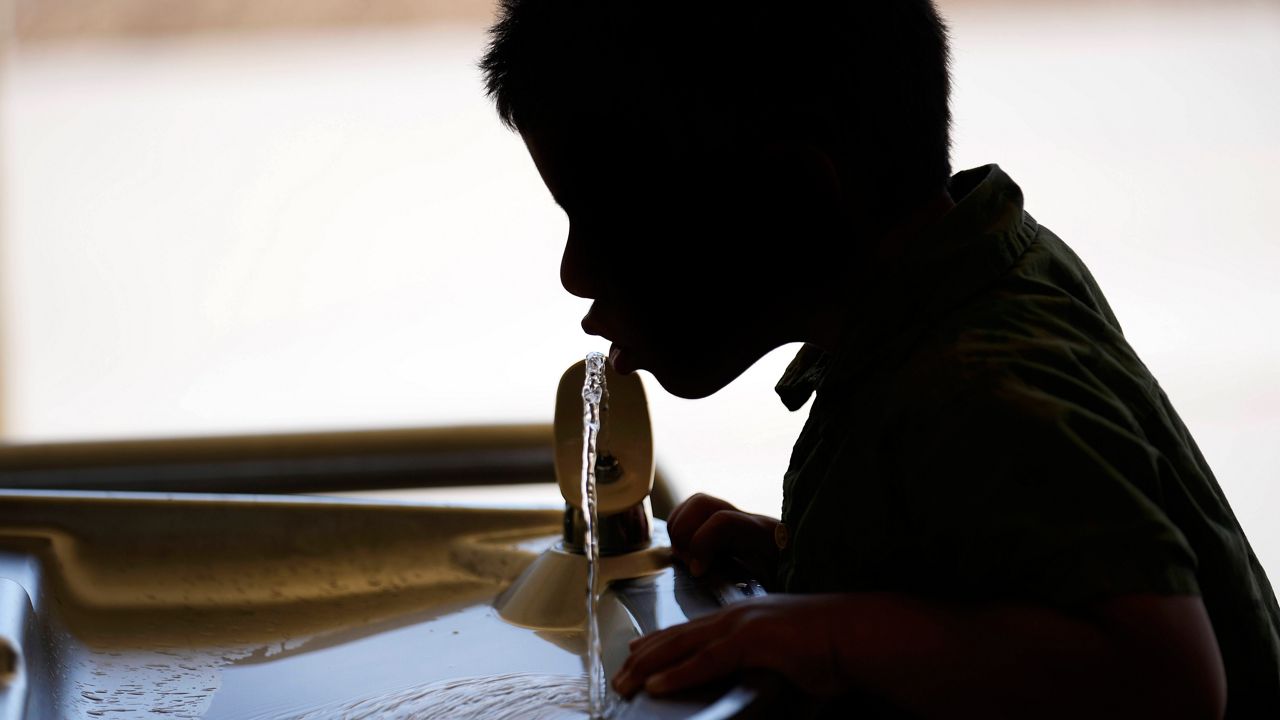
UPDATE: New reports confirm that numerous schools across New York are taking immediate action following alarming findings of elevated lead levels in drinking water. Testing has revealed that some districts have samples exceeding the newly established limit of 5 parts per billion, a significant reduction from the previous threshold of 15 parts per billion set in 2022.
Authorities are responding urgently, emphasizing the importance of compliance with health regulations to protect children. “We need to make sure that we’re following regulations and keeping our kids as safe as possible against lead,” stated Dr. Kevin Whitaker, superintendent of Jamestown Public Schools. The district has already shut down affected water fixtures and placed signage to alert students and staff while repairs are underway.
The New York State Department of Health reports that an impressive 90% of the districts tested are below the acceptable lead level. However, the presence of lead in drinking water remains a pressing concern, especially in older school buildings and communities with aging infrastructure. “If you have older housing or plumbing stock, you tend to have more lead issues due to past practices during construction,” Dr. Whitaker added.
Pediatricians warn that while low levels of lead exposure may have minimal immediate effects, the long-term implications can be severe. “No amount of lead is safe in the human body,” cautioned Dr. Tariq Khan from Southern Tier Pediatrics. Early detection is crucial to prevent lead exposure, which can severely impact learning and cognitive abilities in children.
Authorities are mobilizing resources to address the crisis. District leaders are collaborating with health officials to implement solutions, but they face financial hurdles as the state does not provide aid for remediation efforts. “We must budget for these costs ourselves,” Dr. Whitaker explained, stressing the need for state support in addressing this urgent public health issue.
Experts also highlight that while lead in drinking water is concerning, lead paint exposure poses an even greater risk for families living in homes built before 1978. Parents are urged to monitor their children’s health closely. If there are concerns about exposure, families should contact their doctor immediately.
As this situation develops, communities are encouraged to stay informed and proactive in ensuring the safety of their children. The focus remains on swift action to rectify the lead issue in schools and safeguard the health of future generations.