UPDATE: President Donald Trump has just announced a controversial shift in U.S. naval strategy, proposing the construction of a new class of battleships dubbed the “Golden Fleet.” This announcement, made on December 22, 2023, has triggered immediate backlash from military experts and lawmakers who question the viability and relevance of such a fleet in today’s maritime warfare landscape.
The plan aims to revive the construction of battleships at a time when the U.S. Navy has prioritized submarine and missile technology for decades. Critics, including U.S. Rep. Joe Courtney (D-Conn.), have expressed skepticism, arguing that battleships are outdated and vulnerable to modern threats. Courtney stated, “I would love to have a hearing on how battleships make any sense, given what we have already got in the hopper.”
Trump’s announcement includes the ambitious goal of building up to 20 to 25 new battleships, with the initial vessel potentially costing as much as $15 billion. During his remarks, Trump emphasized the need for a revitalized naval fleet, calling existing ships “old and tired.”
However, experts warn that returning to battleship warfare contradicts decades of military consensus, which recognizes that large surface ships are increasingly susceptible to advanced missile systems. “Battleships are dangerously vulnerable from the air and undersea,” Courtney added, pointing out that modern naval strategy relies on the agility and stealth of submarines.
Trump’s plan, referred to as the “Trump class,” is at odds with the Pentagon’s recent reports indicating the vulnerability of large surface ships, especially as China enhances its military capabilities. The Pentagon’s annual report highlighted the development of anti-ship missiles capable of targeting U.S. vessels from long distances.
Despite the controversies, the Navy has begun laying the groundwork for the Golden Fleet, issuing design contracts that may not result in operational ships until the late 2030s or early 2040s. This timeline raises concerns among lawmakers about the allocation of funding and resources, particularly since Congress has already approved a defense budget that does not include new battleships.
As discussions continue, Courtney noted that there is “chatter” about potential funding, but he remains wary. “This is something we are going to be watching closely when we get back in town,” he stated.
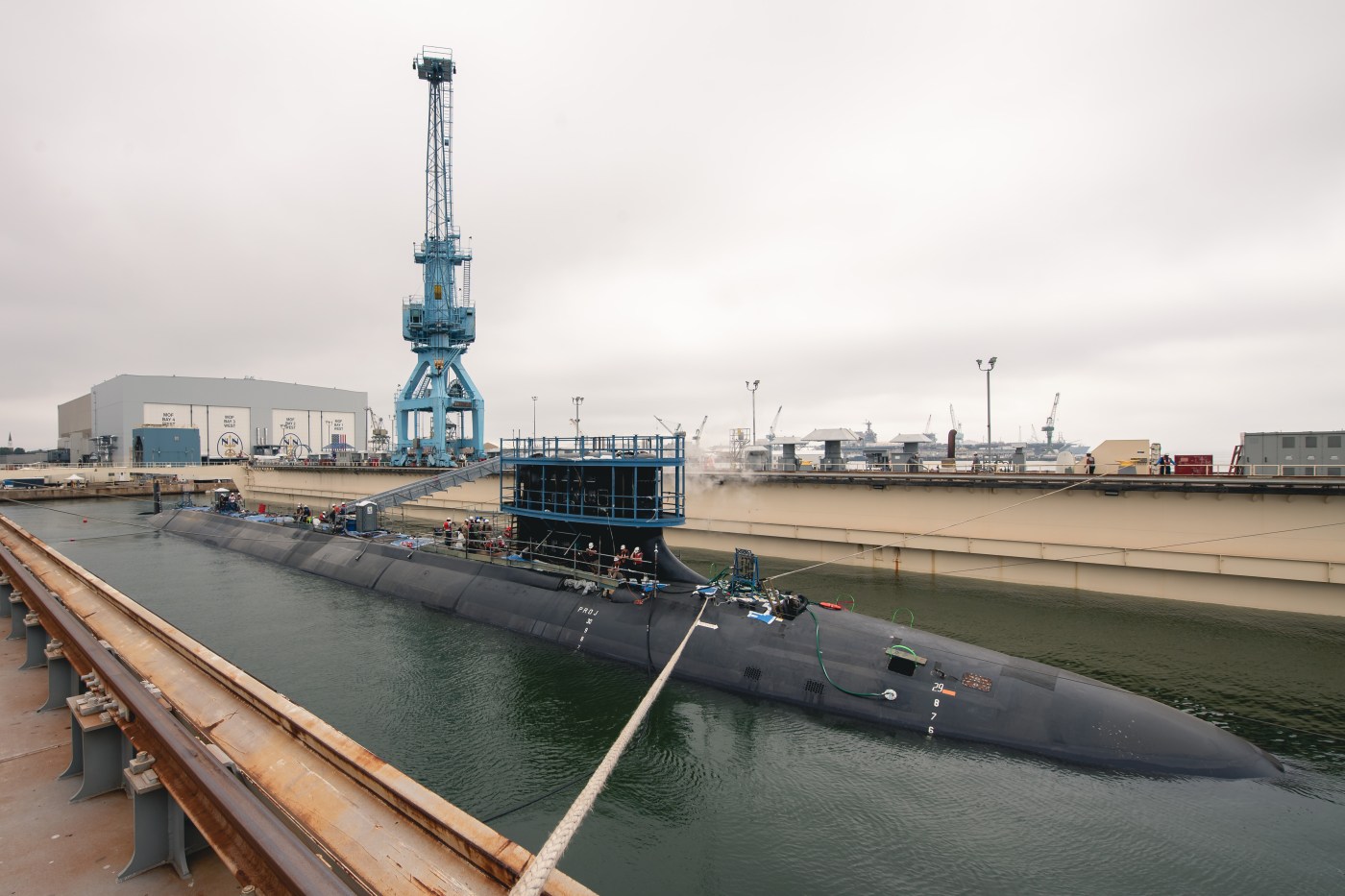
The push for battleships comes at a critical time when the U.S. is trying to rebuild its military industrial base, which has shrunk significantly over the past few decades. The focus on submarines, particularly the Virginia-class and Columbia-class submarines, has been a priority, with billions allocated for their production.
Analysts are already predicting that the Golden Fleet concept may not survive long-term. Mark F. Cancian from the Center for Strategic and International Studies stated, “A future administration will cancel the program before the first ship hits the water.”
As the situation develops, the implications of Trump’s battleship plan could significantly alter U.S. naval strategy and funding priorities. Stay tuned for updates as Congress returns and discussions unfold around this controversial proposal.