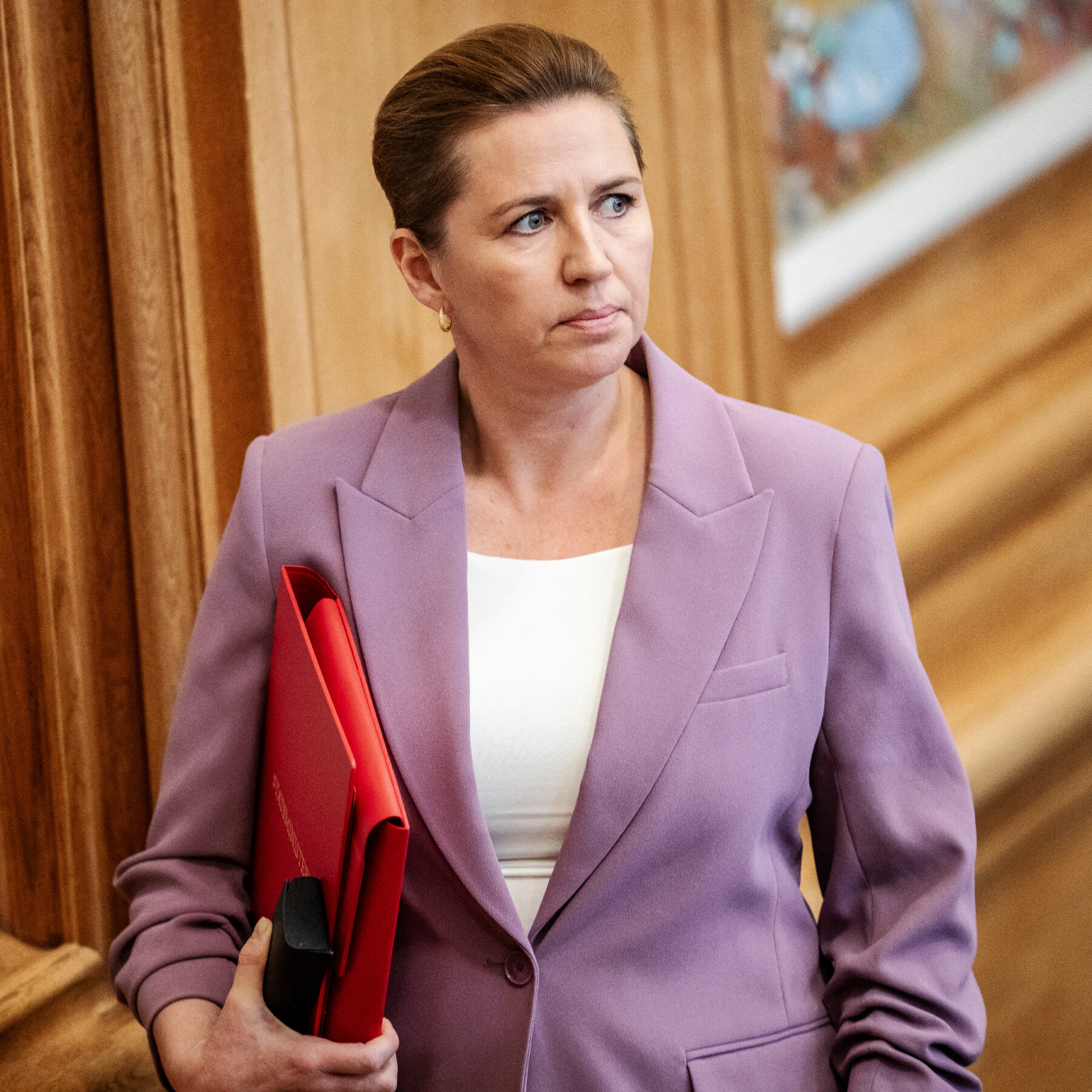
The Danish Prime Minister, Mette Frederiksen, has urged United States President Donald Trump to refrain from making threats regarding the potential acquisition of Greenland. This statement comes after Trump reiterated his interest in the territory amidst heightened tensions following a recent U.S. military raid in Venezuela.
In a press conference on September 28, 2023, Frederiksen emphasized that Greenland is not for sale, stating, “We are open to business and cooperation, but the threats must stop.” Her remarks were a direct response to Trump’s comments, which have created diplomatic ripples between the two nations. The relationship between Denmark and the U.S. has been historically strong, but recent statements have raised concerns about future interactions.
Context of the Tensions
Trump’s interest in Greenland initially surfaced in August 2019 when he proposed purchasing the territory from Denmark, a suggestion that was met with criticism and ridicule. The Danish government, including Frederiksen, dismissed the idea as “absurd.” While the matter seemed to have faded, the recent military actions in Venezuela have reignited discussions about U.S. foreign policy and territorial claims.
The U.S. has positioned itself as a key player in the region, particularly given its military involvement in various parts of Latin America. The raid in Venezuela reportedly targeted individuals linked to the country’s political crisis, further complicating relations in the region. Frederiksen’s firm stance against Trump’s comments reflects Denmark’s commitment to maintaining its sovereignty and its disapproval of any coercive tactics.
International Reactions
Reactions to the renewed tensions have varied. Some political analysts suggest that Trump’s remarks may resonate with his base, who often support strong nationalistic policies. However, many international observers view the threats as detrimental to diplomatic relations. The situation underscores the delicate balance of power and influence that the U.S. maintains in its foreign engagements.
Frederiksen’s call for a cessation of threats highlights a broader concern among European leaders regarding U.S. foreign policy direction under Trump’s administration. The Prime Minister’s insistence on respecting Denmark’s autonomy serves as a reminder of the complexities that define international relations today.
As the global community closely monitors these developments, the focus remains on how both nations will navigate this diplomatic challenge. The implications of Trump’s comments could extend beyond Greenland, potentially influencing U.S. relations with other nations in the region. With leaders from both sides expected to meet in the coming weeks, the emphasis will likely be on finding common ground while addressing underlying tensions.
The situation remains fluid, and further statements from both the U.S. and Denmark will be essential in shaping the narrative surrounding this issue.