URGENT UPDATE: A significant breakthrough in space biology has just been confirmed: a female mouse has given birth after returning from a two-week mission in space. This remarkable event, which occurred on December 10, 2023, is crucial for understanding the potential for human reproduction during long-term space travel.
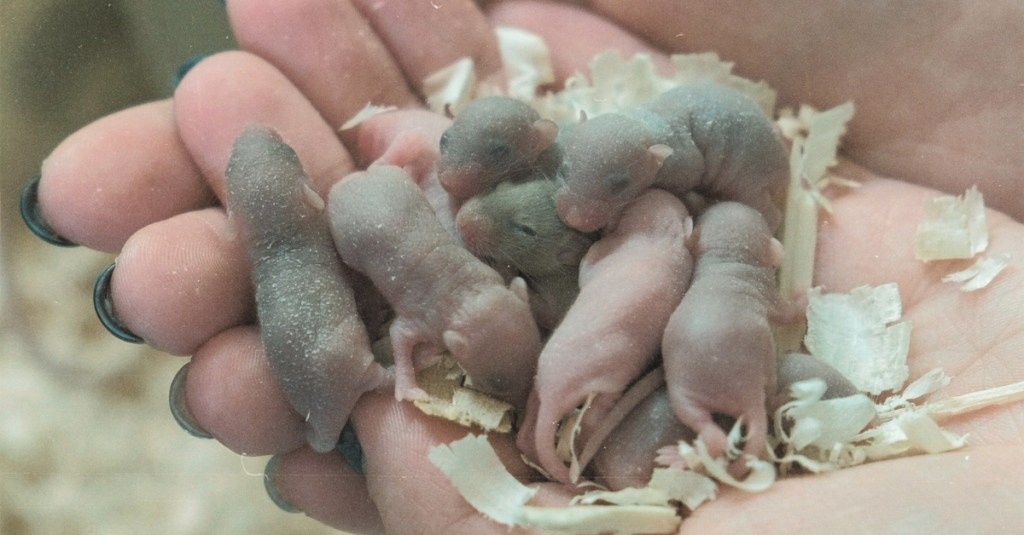
The female mouse was one of four sent aboard China’s Shenzhou-21 mission, launched on October 31, 2023. The mice orbited approximately 400 kilometers above Earth, experiencing the challenges of microgravity and space radiation for 14 days. They returned safely on November 14, 2023. Shortly after, one mouse gave birth to nine pups, with six surviving to a healthy stage, a result deemed normal in laboratory standards by experts at ScienceAlert.
Wang Hongmei, a researcher at the Chinese Academy of Sciences, emphasizes the importance of this finding, noting it suggests that short-term spaceflight did not damage the mouse’s reproductive ability. This revelation addresses a critical concern for future long-term missions, including potential human travel to Mars.
Mice are often used in scientific studies due to their biological similarities to humans, rapid reproduction rates, and ability to reveal potential health issues before they affect humans. Previous research has shown that mouse sperm can fertilize eggs post-space exposure, but this study takes it a step further by confirming that pregnancy and childbirth can occur after spaceflight.
The Shenzhou-21 mission faced challenges, including a change in the return schedule that extended the mice’s time in orbit, raising food supply concerns. Ground teams quickly adapted by testing emergency rations and settling on soy milk as a backup food source. Advanced AI systems monitored the mice’s behavior, ensuring they followed a strict day-night cycle similar to Earth.
Currently, scientists are closely observing the newborn pups, tracking their growth, physiological changes, and reproductive capabilities in the future. This monitoring is crucial for identifying potential long-term effects of space exposure that may not be immediately apparent.
Although this successful birth does not definitively prove that mammals can thrive in reduced gravity or that space radiation has no lasting impacts, it does eliminate one major concern: that space travel irreversibly affects reproductive biology. As humanity looks toward permanent off-world settlements, such findings are vital.
This small but significant birth could have far-reaching implications for the future of space exploration and human life beyond Earth. The excitement surrounding this development is palpable, as researchers and enthusiasts alike look forward to more updates on the health and growth of these pups.
As this story unfolds, the scientific community remains vigilant, understanding that each discovery in space biology brings us one step closer to addressing the challenges of human life on other planets. Share this urgent news and stay tuned for further updates on this groundbreaking research.