BREAKING: President Donald Trump has just announced the capture of Venezuelan President Nicolás Maduro during a dramatic U.S. military operation early this morning. This unprecedented action marks a significant escalation in U.S. efforts to address the ongoing crisis in Venezuela, with Maduro facing multiple charges related to drug trafficking and corruption.
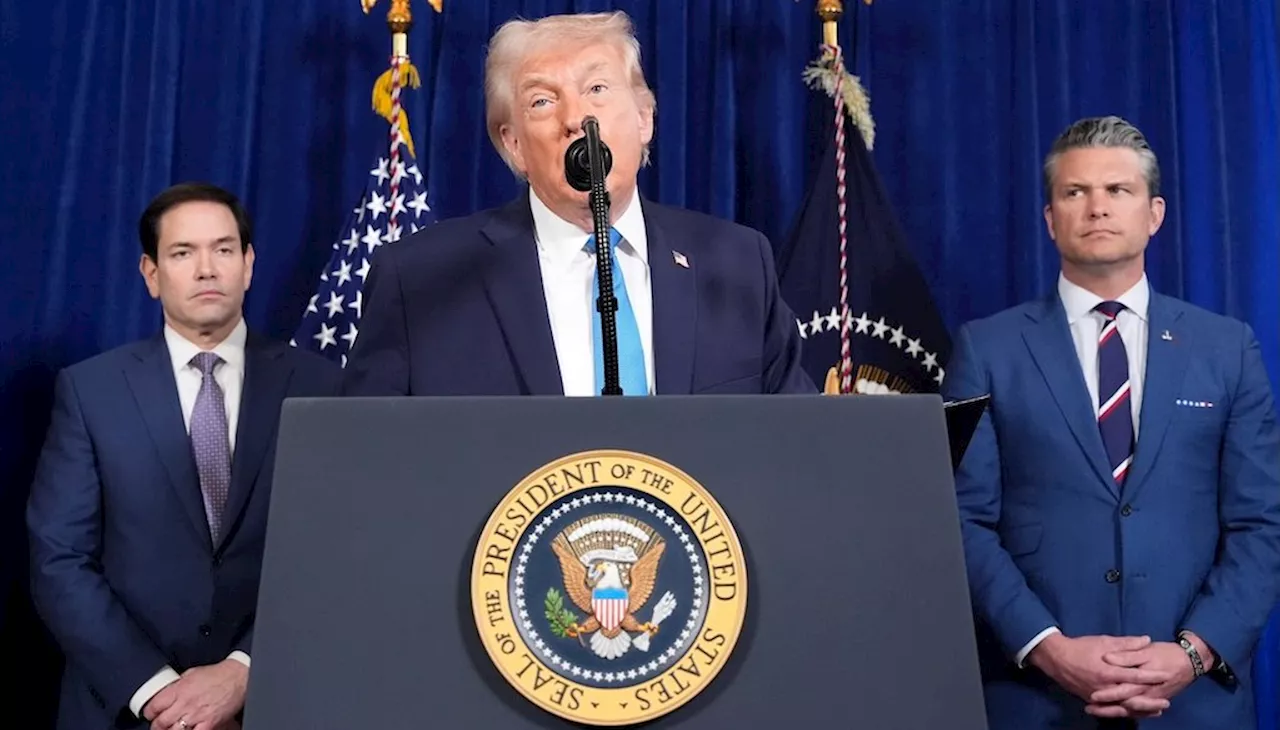
In a press conference held at Mar-a-Lago on January 3, 2026, Trump confirmed that both Maduro and his wife, Cilia Flores, were successfully detained and removed from the country. Authorities report that the operation was executed without any U.S. fatalities, although some injuries were sustained by military personnel.
Trump stated, “We will run the country until such time as we can do a safe, proper, and judicious transition,” indicating plans for a transitional government. This statement raises urgent questions about the future governance of Venezuela and the U.S. role in it.
During the press event, Trump claimed that U.S. forces had previously conducted strikes on Venezuelan vessels to combat drug trafficking, stating that over 100 people died in those operations. He emphasized that the drugs seized could have led to 800,000 potential overdose deaths in the U.S., highlighting the dire implications of narcotics entering the country.
The U.S. government has not disclosed the legal basis for the military action or whether Congress was consulted beforehand, a point raised by several lawmakers. Senator Marco Rubio confirmed that this type of mission requires secrecy to prevent compromising its success.
Maduro has been a controversial figure since taking office in 2013, succeeding the late Hugo Chávez. His administration has been marked by allegations of human rights abuses and fraudulent elections, further straining U.S.-Venezuela relations. The international community has widely criticized the legitimacy of Maduro’s leadership, particularly after the July 2024 election, which was deemed fraudulent by observers.
Trump’s remarks also targeted Venezuelan opposition leader María Corina Machado, asserting she lacks the necessary support within the country despite her significant approval rating of 72% among Venezuelans. The administration’s dismissive stance on Machado could complicate future efforts for democratic reform in Venezuela.
The immediate response from Maduro’s government has been one of outrage. Venezuelan officials are demanding proof of life for Maduro and Flores, indicating potential unrest in the region following this high-stakes operation.
This development is a pivotal moment in U.S. foreign policy, particularly concerning Latin America. As Trump prepares for a press conference, the world is watching closely to see how this situation will unfold and what it means for the future of both Venezuela and U.S. involvement in the region.
Stay tuned as we continue to track this breaking story, providing updates on the implications of Maduro’s capture and the U.S. military’s role in Venezuela.