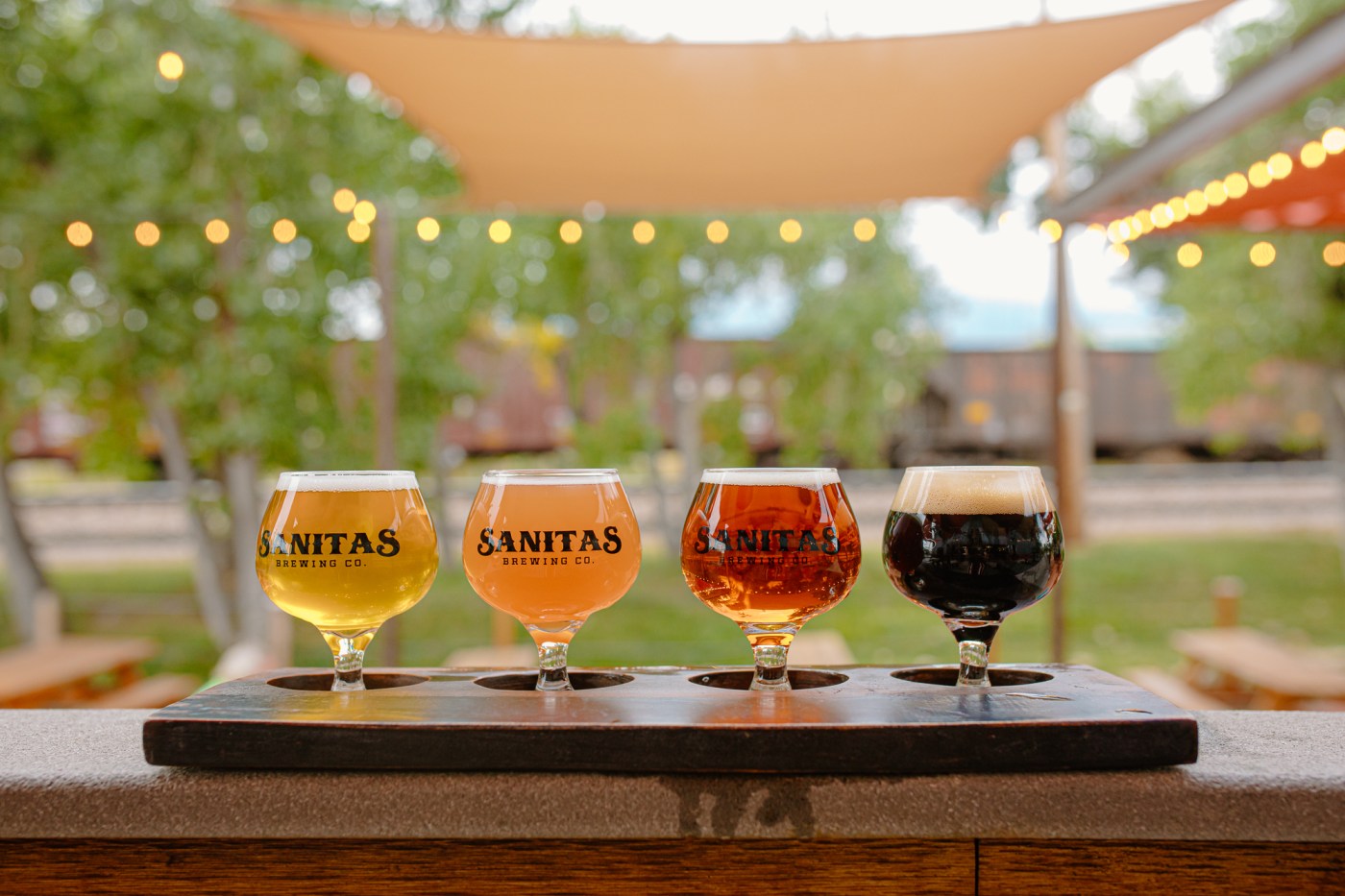
As 2025 comes to a close, the craft beer industry in Colorado is experiencing significant challenges, with brewery closures surpassing openings for the second consecutive year. According to the Brewers Association’s recently published “Year in Beer 2025” report, this trend reflects a broader contraction in the sector. Notable closures this year include Sanitas Brewing Co., which shut down its Boulder location and taprooms in Lafayette and Englewood on December 20, and Loveland’s Big Beaver Brewing Co., which closed its doors in November.
The report indicates that as of mid-2025, craft production has declined by 5%, a sharper drop than the 4% decline recorded in 2024. Full production numbers for 2025 are pending but preliminary data suggests ongoing contraction. The Brewers Association reported a total of 9,778 breweries operating, alongside 268 new openings and 434 closures this year.
Factors Behind Industry Contraction
Matt Gacioch, staff economist for the Brewers Association, noted that the imbalance between openings and closures is primarily due to a significant decrease in new brewery launches. “The delta between opening and closing rates has widened as fewer breweries are entering the market to fill the void,” Gacioch stated. He emphasized that the current financial landscape, characterized by rising interest rates and cautious investors, has made it increasingly difficult for new businesses to secure funding in this capital-intensive industry.
Gacioch indicated that lenders might now perceive the craft beer market as saturated, leading to increased hesitance in financing new ventures. Despite the challenges, he remains optimistic about opportunities for niche breweries in specific local markets. “While some areas may have reached saturation, there are still possibilities for innovation based on local demographics and demand,” he explained.
The craft beer landscape is not only contracting in terms of numbers but also consolidating through mergers and acquisitions. Local businesses are adapting to the changing environment, with strategic consolidations emerging as a new form of innovation within the industry. For example, Wilding Brands, a Lafayette-based company formed through the merger of several craft beverage entities, acquired Upslope Brewing Co. in October 2025, significantly increasing its production capacity.
Shifting Consumer Behaviors
Brewers are grappling with shifting consumer behaviors, particularly among younger generations. Steve Conrad, head brewer at Busey Brews Smokehouse and Brewery, pointed out that younger consumers are engaging less with craft beer culture compared to older demographics. “The younger generation doesn’t seem to be engaging in the craft-beer world as much as those of us who are older,” Conrad remarked during a recent industry roundtable.
Jeffrey Green, co-owner of Very Nice Brewing Co., added that social habits have changed significantly, contributing to reduced foot traffic in breweries. “People have stopped going out in general,” he noted, reflecting on the broader decline in social outings. Davin Helden, owner of Liquid Mechanics Brewing Co., echoed similar sentiments, observing that the demographic that once popularized craft beer is aging, leading to reduced consumption among regular patrons.
Despite these trends, Gacioch believes that the cyclical nature of consumer behavior could eventually lead to a resurgence in craft beer enthusiasm. “At some point, the younger generation might rediscover the social aspect of beer drinking,” he suggested, highlighting the potential for a renaissance in craft beer culture.
The craft beer industry remains a vital component of the U.S. economy, supporting approximately 443,000 jobs and contributing $72.5 billion annually. As brewers navigate these challenges, Gacioch emphasized the importance of innovation and adaptability in overcoming the current headwinds.
Looking ahead to 2026, the Brewers Association’s report suggests that while many of the existing challenges are expected to persist, there may be opportunities for cautious optimism. With interest rates projected to decrease and signs indicating that consumers may start socializing more, there could be potential for recovery in the craft beer sector.
“Beer has been a part of civilization for centuries,” Gacioch remarked. “I believe it will find a way forward, and those who adapt creatively will thrive in the future.” As the industry reflects on a challenging year, the resilience of craft brewers will be tested in the face of evolving consumer demands and economic conditions.