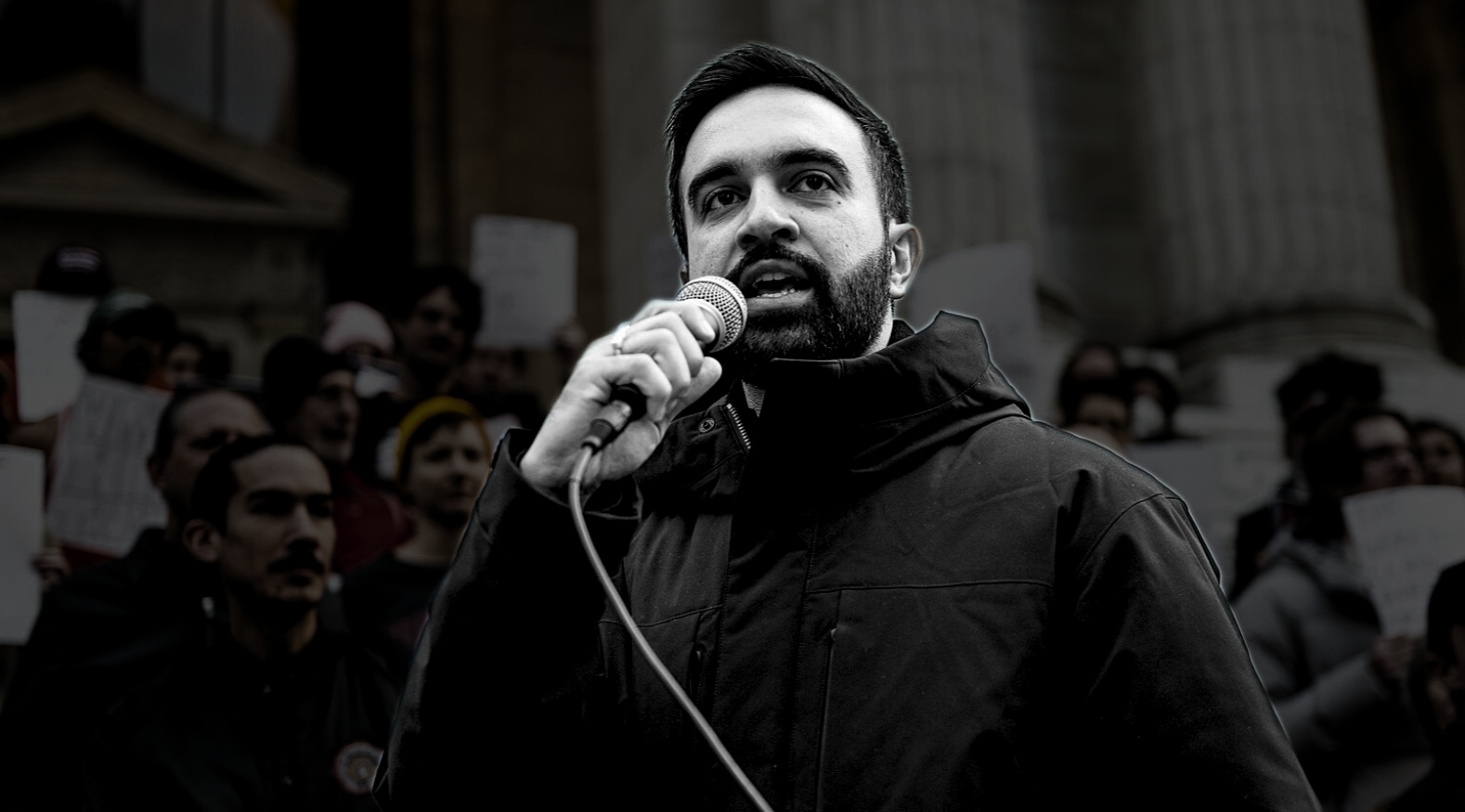
UPDATE: Newly elected New York City Mayor Zohran Mamdani delivered an electrifying inauguration speech on July 14, 2026, addressing the pressing needs of the precarious middle class. In a poignant statement, he declared, “We will replace the frigidity of rugged individualism with the warmth of collectivism.” This message resonates with everyday New Yorkers who are feeling the economic squeeze.
Mamdani’s remarks come at a crucial time when voters, particularly the “Middle Precariat,” are eager for political acknowledgment of their struggles. This group, characterized by hardworking individuals unable to secure financial stability, now finds its voice amplified in the political arena. As the cost of living continues to rise—home ownership has surged by 50 percent in the past five years—these constituents are demanding change.
Mariano Muñoz, a 46-year-old parent coordinator from Brooklyn, reflects the urgency of this situation. He stated, “We feel the squeeze of everyday life, trying to raise our kids in Brooklyn.” His sentiments echo across the city, with many feeling that their middle-class status is increasingly tenuous.
The reality is stark: middle-class workers face the dual threat of rising living costs and job security concerns, exacerbated by advances in artificial intelligence. Muñoz candidly remarked, “What’s middle class? Not on food stamps?” highlighting the grim reality many families face as they navigate living paycheck to paycheck.
Economist Thomas Ferguson from the Institute for New Economic Thinking emphasizes that this urgency is not confined to those with low incomes; it affects a broad spectrum of middle-class individuals grappling with soaring costs for public goods, which have jumped by 30 percent since 2021. Families are feeling the brunt as educational funding dwindles, pushing costs onto parents and further straining their finances.
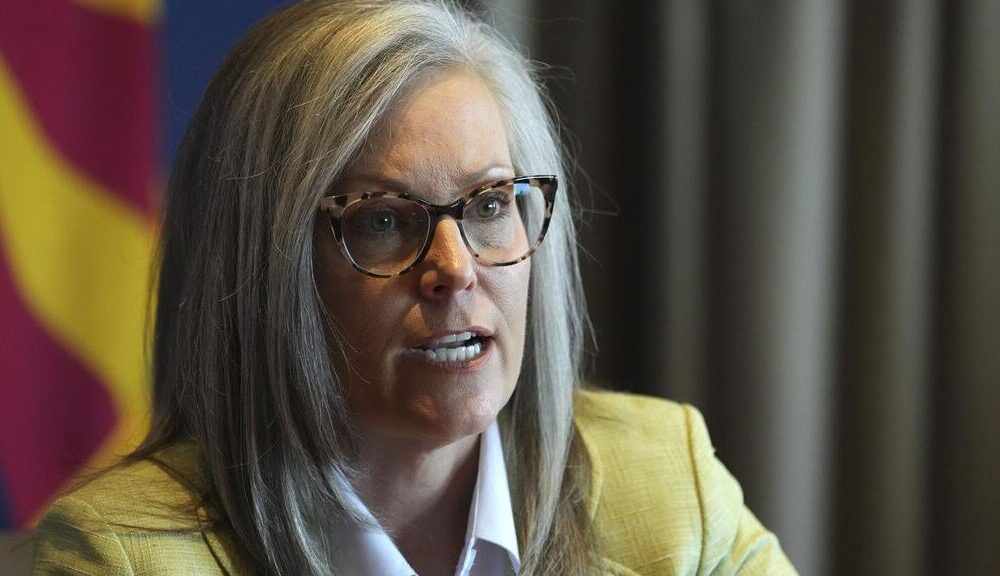
The political landscape is shifting, driven by this collective discontent. Mamdani’s campaign, alongside other progressive leaders like Katie Wilson in Seattle and Abigail Spanberger in Virginia, reflects a growing recognition of the Middle Precariat’s power. The voters are united by their shared economic struggles, and political actors are beginning to take notice.
Tara Fannon, a 50-year-old contractor, voiced her concerns about the impact of recent policies, stating, “New Yorkers like me have been hit hardest by Trump’s policies.” Her experience is indicative of a wider sentiment that is galvanizing voters across the nation.
Even as economic frustration grows, former political figures, including James Carville, are acknowledging the need to address issues of affordability and economic security. Carville recently suggested that the Democratic Party should embrace this “economic rage” as a critical electoral strategy.
Mamdani’s inauguration signals a potential shift in how political leaders engage with the electorate, particularly those who feel overlooked. By inviting Bernie Wagenblast, the voice of New York City’s subway system, to emcee the inauguration, Mamdani is clearly aligning himself with the working class.
As the political landscape evolves, many are hopeful that the precarious middle class will continue to recognize its electoral strength—a phenomenon dubbed “precariat power.” With the 2026 elections on the horizon, the time for change is now, and the Middle Precariat is ready to make its voice heard.
The challenges ahead remain significant, but as Mamdani’s message underscores, the warmth of collectivism may be the key to addressing the urgent needs of New Yorkers struggling to make ends meet. The coming months will be critical in determining how this emerging political energy will shape the future of urban governance and the lives of countless citizens.