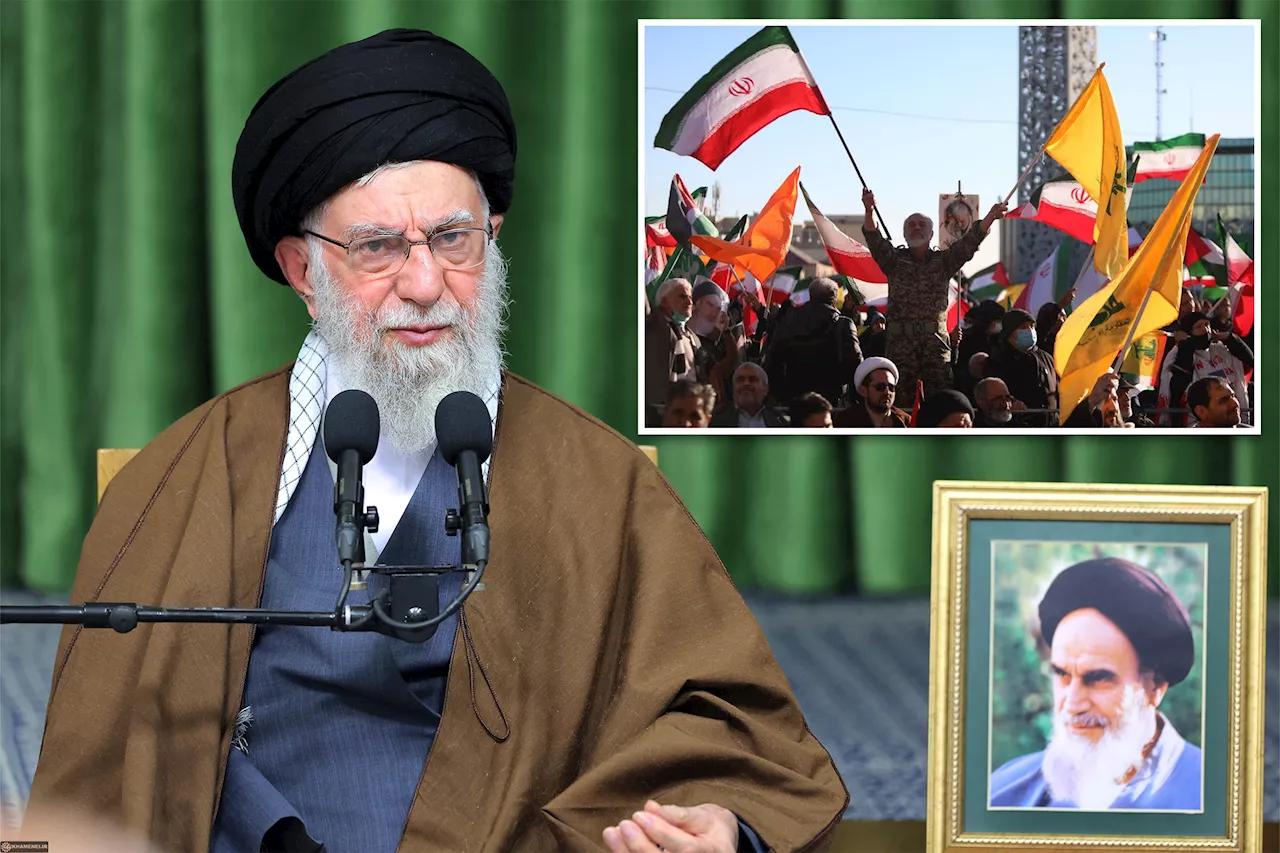
Protests erupted across Iran on December 27, 2023, as citizens took to the streets in response to a deteriorating political and economic situation. Demonstrators in cities including Tehran, Shiraz, and Kermanshah voiced their frustrations, chanting slogans such as “Death to Khamenei!” and “Death to the dictator.” The unrest follows a government-ordered shutdown that affected 21 of Iran’s 31 provinces, including the capital, as officials struggled to manage widespread discontent.
Video footage shared by the People’s Mojahedin Organization of Iran depicted intense clashes between protesters and security forces, with scenes of chaos and gunfire. In particular, the city of Fasa witnessed dramatic confrontations as demonstrators attempted to breach a government complex, hurling objects and shaking the gates in an effort to gain entry. Military helicopters were observed flying overhead, seemingly to deter further unrest.
The protests, which have persisted for four consecutive days, have been fueled by soaring inflation, currency instability, and declining living standards. President Masoud Pezeshkian, in an attempt to quell the public outcry, appointed Abdolnaser Hemmati, a former economy minister, as the new head of Iran’s central bank following the resignation of Mohammad Reza Farzin. In remarks quoted by state media, Pezeshkian acknowledged the gravity of the role amid ongoing economic challenges.
Escalating Tensions and Leadership Changes
The unrest has been characterized by significant public participation, including notable protests in Tehran’s bazaar, where merchants confronted security forces while chanting “Dishonorable, dishonorable.” These demonstrations reflect a broader sentiment of frustration among Iranians who feel the impact of economic hardships in their daily lives.
In addition to the economic turmoil, the Iranian leadership is also grappling with the implications of these protests. Supreme Leader Ayatollah Ali Khamenei announced the appointment of Brigadier General Ahmad Vahidi as the new deputy commander in chief of the Islamic Revolutionary Guard Corps (IRGC), a move that highlights the government’s focus on maintaining security amidst growing dissent.
As the situation continues to unfold, the Iranian government faces mounting pressure to address the root causes of public anger. The combination of economic instability and political dissatisfaction has created a volatile environment, with the potential for further protests and unrest in the coming days.
The international community is closely monitoring developments in Iran, as the ongoing protests could have significant implications for the region’s stability and the Iranian government’s future. With public sentiment clearly against the current leadership, the coming weeks may prove critical in determining the direction of Iran’s political landscape.