On January 1, 2026, the United States will begin to celebrate the 250th anniversary of its founding. This year also marks the 100th anniversary of the Dexter Southfield School in Brookline, Massachusetts. As these significant milestones approach, the words of Pulitzer Prize-winning historian David McCullough resonate deeply: “History is who we are and why we are the way we are.” In reflecting on the past, there is a pressing responsibility to honor the contributions of those who came before us while contemplating the legacy we are prepared to uphold.
McCullough emphasized that the past is filled with individuals who engaged, struggled, and believed their involvement mattered. This belief is particularly urgent today, as civic participation often appears overshadowed by performative actions. He argued that history equips individuals for citizenship, asserting that democracies thrive only when citizens understand the fragility of their institutions and the ease with which freedom can erode when they withdraw. For McCullough, true patriotism is not merely declared; it is actively practiced.
Founded in 1926, Dexter Southfield School was established by families who viewed education as a means of forming responsible citizens rather than mere preparation for personal success. The school has produced notable alumni, including a young John F. Kennedy. Before inspiring a nation, Kennedy was shaped by an environment that prioritized history, debate, public speaking, and community service. The virtues he learned—standing for what is right even when it is difficult—helped mold him into the leader he became.
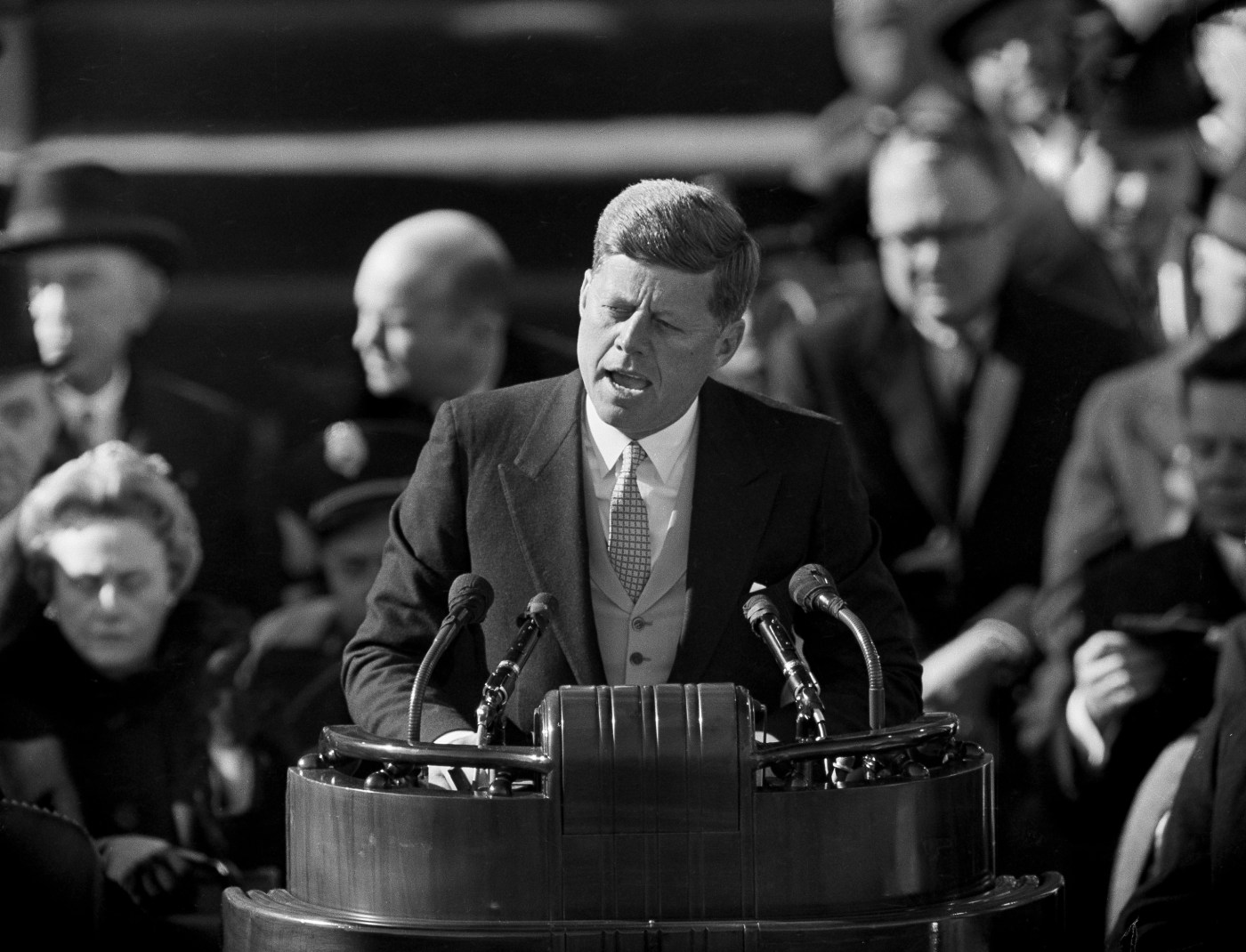
History reveals that Kennedy, like all leaders, was not without flaws. Yet, it is not perfection that history remembers; it is the willingness of individuals to step forward for the greater good. His famous call to action in 1961, “ask not what your country can do for you, ask what you can do for your country,” continues to echo as a challenge to civic engagement and shared responsibility.
As the United States approaches these significant anniversaries, it is important to recognize the role of institutions like Dexter Southfield School in fostering dialogue and engagement within communities. McCullough described himself as a “short-term pessimist and a long-term optimist,” acknowledging that while challenges exist, progress is possible when individuals remain engaged.
History is not solely the domain of the past; it is a living legacy entrusted to those who are willing to carry forward its lessons and sacrifices. In his inaugural address, President Kennedy declared that “the torch has been passed” to a new generation. Today, that torch continues to be passed in classrooms, communities, and through the everyday choices that shape our collective future.
As we enter this milestone year, it is essential to accept this inheritance with both gratitude and courage. Engaging in the civic life that supports the nation and its institutions is a responsibility that history demands of us. The upcoming anniversaries serve as a reminder of the vital role we each play in shaping the future. History asks no less than our commitment to this endeavor.