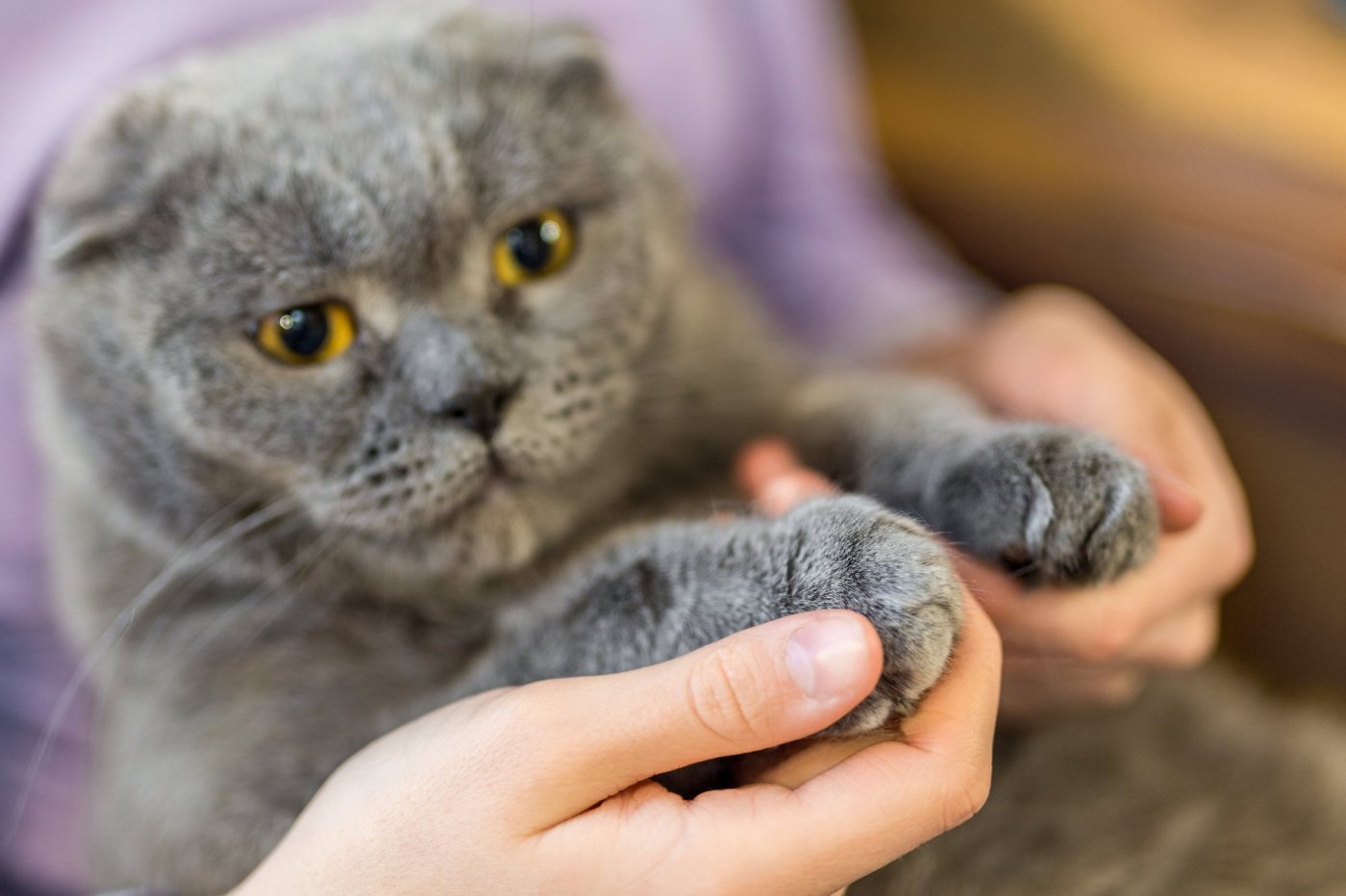
URGENT UPDATE: California has officially banned the cruel practice of declawing cats as of November 2, 2023. Governor Gavin Newsom signed Assembly Bill 867 into law, a monumental step for animal welfare advocates statewide.
This new law prohibits declawing unless it is deemed medically necessary, a decision that has sparked applause from veterinarians and animal rights organizations alike. Animal advocates argue that declawing is not merely a cosmetic procedure but a painful and invasive surgery that involves amputating a portion of a cat’s toes. The human equivalent would be akin to removing fingers down to the first knuckle.
Joseph Hayden, president of the Humane Society of the North Bay, expressed his strong support for the law, stating, “Abolishing declawing procedures is the only thing a responsible pet parent would want for our beloved felines.” He highlighted the misconceptions surrounding declawing, calling it “barbarism” and “Draconian.”
Prior to this law, several cities, including Berkeley, San Francisco, and Los Angeles, had already taken steps to limit the practice. However, a 2009 bill signed by former Governor Arnold Schwarzenegger blocked local ordinances aimed at restricting such medical procedures. California now joins states like New York and Maryland in outlawing declawing, setting a precedent for animal rights legislation.
The California Veterinary Medical Association has been vocal against the ban, arguing that it removes the decision-making power from pet owners and veterinarians, insisting that such choices should be made on a case-by-case basis. However, many veterinarians, like Tammy Farnsworth of Redwood Veterinary Hospital, have long ceased performing declawing procedures, emphasizing the negative impacts such surgeries have on cats, including hindering their natural abilities to climb and defend themselves.
Farnsworth pointed out that scratching is an instinctive behavior for cats, used to mark their territory. “Cats scratch where you go because they are claiming you as theirs,” she noted. For owners worried about scratched furniture, she recommends alternatives such as Soft Claws, which are protective caps for cat claws, or regular nail trimming to mitigate damage.
Assemblyman Alex Lee, the bill’s author and a cat owner himself, stated, “I’m proud to see California create a more compassionate society for our feline friends by moving away from this inhumane practice.”
This landmark legislation marks a significant shift in California’s approach to animal welfare, reflecting growing public awareness and advocacy for the humane treatment of pets. As the law takes effect today, cat owners across the state are urged to adapt to new practices that prioritize the wellbeing of their furry companions.
With this law now in place, California sets a powerful example for other states considering similar measures. The conversation around animal rights continues to evolve, as advocates push for further reforms to protect pets from unnecessary suffering.
Stay informed as we follow this developing story and its impact on pet owners and animal welfare across the nation.