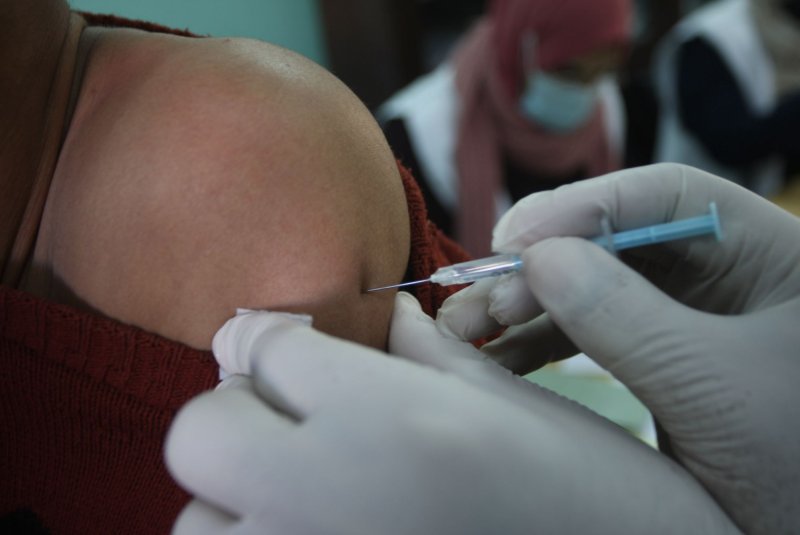
A panel from the Centers for Disease Control and Prevention (CDC) has announced plans to review the use of aluminum salts in vaccines over the coming year. This decision comes despite widespread medical consensus on the safety and necessity of these additives, which have been used for nearly a century to enhance immune response. Aluminum salts play a critical role in the effectiveness of vaccines, including childhood immunizations against diseases such as hepatitis B and diphtheria.
The panel’s composition has raised concerns, as it includes members who have publicly expressed skepticism regarding vaccines. Recently, the Advisory Committee on Immunization Practices (ACIP) voted 8-to-3 to revise the longstanding recommendation for the automatic vaccination of newborns against hepatitis B. This change has alarmed public health advocates, as it follows a significant decline in childhood infections of the virus, which dropped by 99% since 1991, resulting in only seven reported cases in 2023.
The scrutiny of aluminum salts has intensified following comments from Robert Kennedy Jr., the former Secretary of Health and Human Services under President Donald Trump. Kennedy has long argued for a reevaluation of aluminum in vaccines, linking it to rising rates of autism and allergies. During a meeting with the National Governors Association on July 26, 2023, he stated, “We need to look at the aluminum in the vaccines to see if that has anything to do with this explosion of allergies that began in 1989, which was the year they expanded the vaccine schedule.”
At the recent ACIP meeting on December 5, 2023, members were presented with claims from Evelyn Griffin, a New Orleans obstetrician-gynecologist, who suggested that aluminum could accumulate in organs, potentially causing chronic fatigue and other health issues. Despite her assertions, many experts contest these claims, emphasizing that existing studies do not support the idea of aluminum posing a significant health risk.
The implications of removing aluminum adjuvants from vaccines could be substantial. Experts warn that such a move would necessitate reformulating each affected vaccine and conducting extensive testing, a process that could take up to a decade. Dr. Peter Hotez, co-director of the Texas Children’s Hospital Center for Vaccine Development, criticized the panel’s recent actions, suggesting that it has become influenced by anti-vaccine sentiments. He stated, “The ACIP has ceased to be a reliable source for anything vaccine related and their recommendations should be ignored.”
In contrast, the American Academy of Pediatrics has begun issuing its own evidence-based recommendations, and several coalitions in the Northeast and West Coast are working on independent vaccine guidelines. Hotez expressed concern about the direction of federal vaccine policies, predicting that 2026 could see even greater challenges.
For a well-rounded perspective on the safety of aluminum adjuvants, a study published in the Annals of Internal Medicine in July 2023 evaluated the health records of 1.2 million children born in Denmark between 1997 and 2018. The study found no link between aluminum salts and health issues such as asthma, allergies, or neurodevelopmental disorders. Kennedy, however, dismissed these findings, labeling them a “deceitful propaganda stunt by the pharmaceutical industry.”
Additionally, a review by a team of researchers affiliated with Stanford University presented findings that contradicted concerns regarding aluminum toxicity. The review included data spanning nearly a century, concluding that there is no credible evidence linking aluminum adjuvants in vaccines to adverse health outcomes. Dr. Seth Ari Sim-Son Hoffman, an infectious disease specialist at Stanford Medicine, stated, “We found no credible evidence linking aluminum salt-adjuvanted vaccines to any safety signal.”
He noted that studies on preterm infants showed no increase in blood aluminum levels following vaccination. Furthermore, patients with kidney disease, who are already at risk for aluminum toxicity, receive these vaccines routinely without any noted adverse effects.
Aluminum adjuvants are present in over half of the vaccines in the U.S. pediatric schedule, and experts assert they are essential for ensuring the efficacy of these vaccines. Removing them could expose populations to vaccine-preventable diseases, which can lead to severe health consequences, including chronic illnesses and death, all while proven vaccines remain available with long-term safety data.