A remarkable milestone in space research occurred when a female mouse, one of four sent into orbit, returned to Earth and gave birth to nine healthy pups. This event, which took place on December 10, 2023, holds significant implications for understanding reproduction beyond our planet. The mice had been launched aboard the Shenzhou-21 spacecraft on October 31, 2023, to live for two weeks in the microgravity environment of the Chinese space station, located approximately 400 kilometers above Earth.
During their time in space, the mice experienced the unique challenges posed by microgravity and space radiation. They returned safely on November 14, 2023, marking a successful mission. Following their return, one of the female mice gave birth, and researchers are optimistic about the implications of this development for future human space exploration.
Significance of Reproductive Health in Space
The research team, led by Wang Hongmei from the Chinese Academy of Sciences’ Institute of Zoology, highlighted the importance of this finding. The ability of the mouse to reproduce after a short-term spaceflight suggests that such missions may not adversely affect mammalian reproduction. Mice, due to their genetic similarities to humans and quick reproductive cycles, serve as effective models for studying the potential impacts of space travel on human biology.
In a previous study, sperm from mice exposed to space conditions had successfully fertilized female mice on Earth, indicating that some aspects of reproduction remain intact despite the challenges of space travel. The current mission reaffirmed these findings, as six of the nine offspring are thriving, which falls within the normal survival rates expected for such births.
Challenges and Innovations During the Mission
The journey was not without its challenges. An unexpected change in the schedule for the Shenzhou-20 spacecraft extended the mice’s stay in space and raised concerns about their food supply. To mitigate this risk, the ground team quickly tested various emergency food options, including astronaut rations such as compressed biscuits, corn, hazelnuts, and soy milk. After thorough testing, soy milk was determined to be the safest choice for the mice.
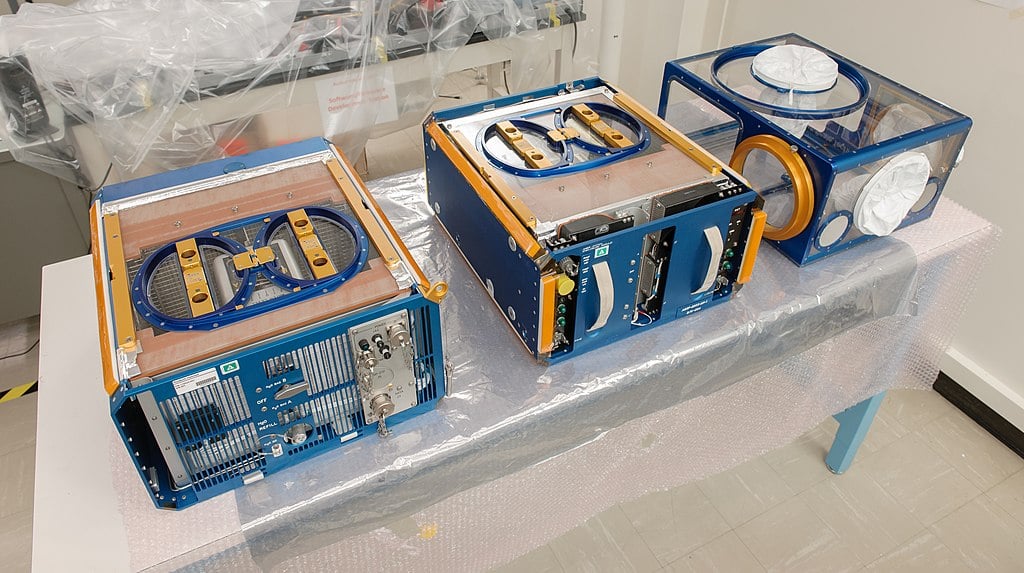
Throughout their orbital mission, the mice lived in a carefully controlled environment. Lights were set to mimic a natural day-night cycle, and their food was designed to be nutritionally balanced yet challenging to eat, fulfilling their instinctual need to grind their teeth. Additionally, an artificial intelligence monitoring system tracked the mice’s behaviors, including their eating and sleeping patterns, ensuring their health and well-being.
As researchers continue to observe the “space pups,” they aim to monitor their growth and assess any physiological changes that could result from their mother’s exposure to space conditions. A critical aspect of this ongoing research will be determining whether these offspring can reproduce normally, thereby exploring the potential for multi-generational effects of space exposure.
The overarching aim of this research extends beyond mice. Understanding whether mammals can conceive, gestate, and give birth in reduced gravity is vital for future human missions to Mars or the establishment of permanent settlements on the Moon. Scientists are keen to learn if cosmic rays might affect reproductive elements such as eggs and sperm, potentially impacting future generations.
While one mouse giving birth does not answer all questions regarding reproduction in space, it represents a promising step forward. The findings from this mission will undoubtedly contribute to our understanding of the biological challenges that await humanity as we venture deeper into the cosmos.