The retail industry experienced a significant contraction in 2025, with a reported 12% increase in store closures compared to the previous year. Despite this concerning trend, optimism for recovery in 2026 is emerging, as retail expert Deborah Weinswig highlights a potential shift towards growth in the sector.
According to Coresight Research, the number of store openings fell by 11% this year, but projections indicate a more promising future. Currently, Coresight has identified 1,118 planned openings against 566 closures for the upcoming year. This renewed activity points to a potential rebound in retail, particularly with the rise of “off-price” retailers like Burlington, T.J.Maxx, and Ross Dress for Less, which continue to capture significant market share.
Weinswig emphasizes that the size and format of retail spaces are evolving. “It’s not necessarily about the size of the box,” she stated, referring to the varying dimensions of retail locations. She elaborated that consumer preferences are shifting, with shoppers willing to travel further distances for a better shopping experience, especially as gas prices fluctuate. “Being in stock is really important,” she added, underscoring the significance of inventory management in retaining customers.
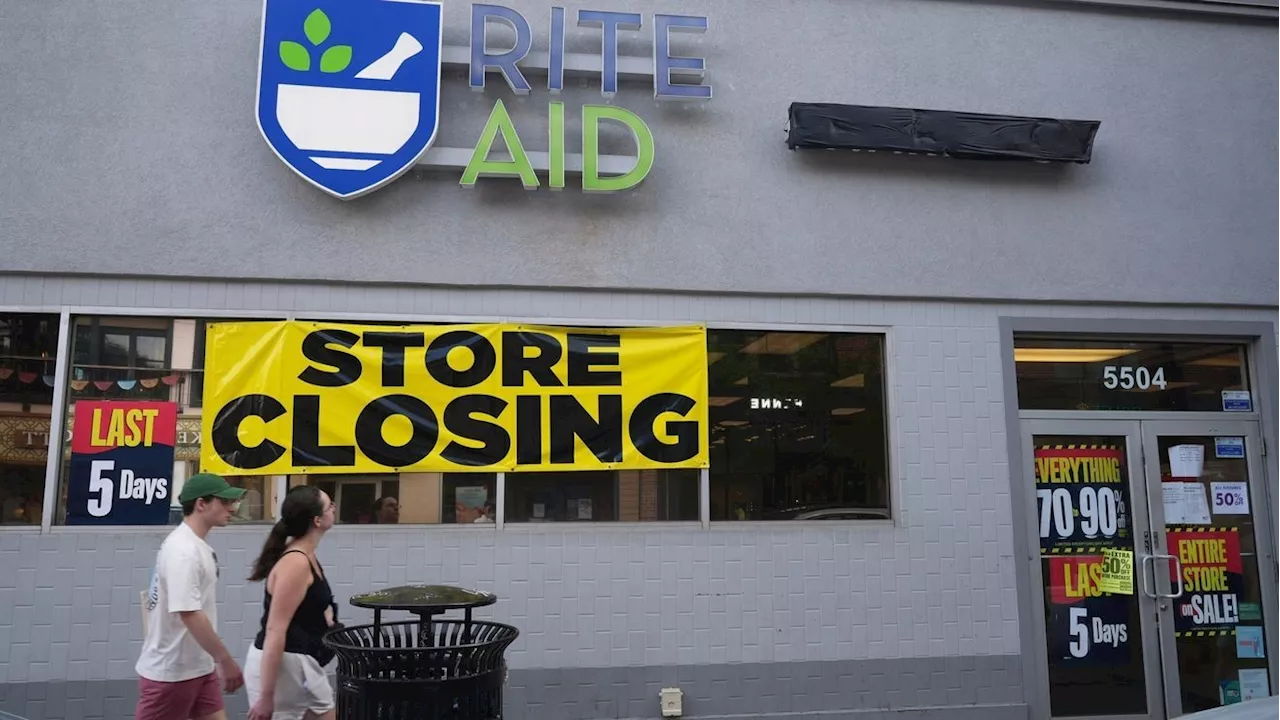
Despite the positive outlook for 2026, the retail landscape remains fraught with challenges. The recent closures of major chains, including Rite Aid, have raised concerns about the sustainability of certain retail sectors. Coresight’s figures indicate that Rite Aid alone shuttered nearly 1,300 locations this year, a move that reflects broader industry pressures.
Weinswig predicts further pharmacy closures in the coming year, citing high operating costs and an over-reliance on lower-margin sales from pharmacy services rather than consumer goods. “Consumers are more price-sensitive,” she explained, noting that cheaper alternatives for everyday items are increasingly available outside traditional drugstores.
The list of retailers that closed stores this year includes familiar names such as Joann, Party City, Big Lots, Claire’s, Walgreens, 7-Eleven, Forever 21, CVS, and Dollar General. In contrast, Dollar General emerged as a leader in openings, reporting 611 new locations compared to its 271 closures. With over 20,000 stores nationwide, the company is adapting to market changes effectively.
Artificial intelligence (AI) is playing a pivotal role in reshaping retail strategies. Weinswig noted that retailers like Dollar General are leveraging AI to make more informed decisions. “We’re starting to see faster decisions getting made in retail,” she remarked, indicating that data-driven insights are enhancing operational efficiency.
Weinswig believes that the significant closures this year could have been mitigated had AI tools been implemented sooner. She pointed out that many retailers lost focus on their expenses, keeping unprofitable locations open longer than necessary. “It was more tactical than strategic,” she said, emphasizing that a disciplined approach to store management is essential for future success.
As the retail sector navigates these changes, the balance between physical and online presence will be crucial. Innovative concepts, including retailers selling shelf space to other brands and monetizing customer data, are emerging as strategies for growth. These developments suggest that, while the retail landscape faces immediate challenges, there are also pathways to recovery and expansion in 2026. The coming year may see a renewed focus on customer experience and strategic growth, positioning the retail industry for a more resilient future.