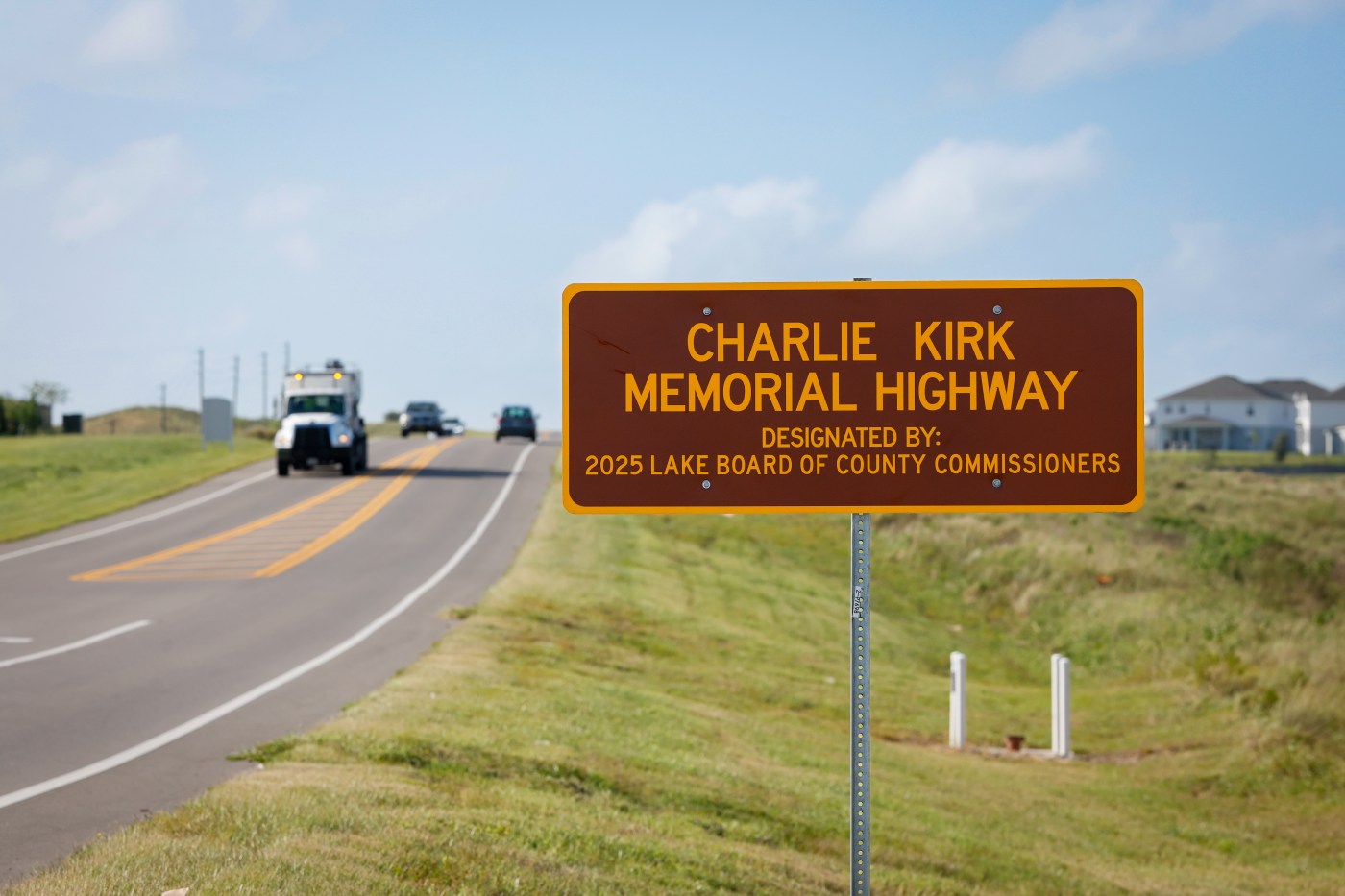
The Florida Legislature is advancing a bill that designates October 14, the birthday of conservative activist Charlie Kirk, as a statewide “Day of Remembrance.” The proposal, which passed a Senate committee with a party-line vote of 5 to 2, has elicited mixed reactions due to Kirk’s controversial views.
Kirk, the founder of Turning Point USA, has drawn both support and criticism for his political stance. He was shot during a speech in Utah three months ago, an event that has sparked discussions about free speech and the implications of commemorating figures with polarizing views. While the proposed recognition aims to honor the concept of free expression, many argue that it overlooks the broader context of civil rights history in Florida.
Controversial Legacy of Charlie Kirk
Kirk’s advocacy for conservative values has often been accompanied by statements that starkly contrast with the principles of equality and civil rights. He has publicly criticized figures like Dr. Martin Luther King Jr., labeling him as “awful” and dismissing the significance of the Civil Rights Act of 1964 as a “huge mistake.” Such remarks have contributed to a divided public perception of Kirk, raising questions about the appropriateness of honoring him with an official day of remembrance.
The decision to commemorate Kirk has overshadowed other significant figures in Florida’s civil rights history. For instance, Harry T. Moore, a civil rights pioneer and NAACP field secretary, was assassinated in 1951 due to his efforts to secure equal pay for Black teachers and advocate for voter registration. Moore’s contributions to civil rights and his tragic murder at the hands of the Ku Klux Klan have largely been overlooked in the current discourse surrounding the proposed recognition of Kirk.
Calls for Inclusivity in Remembrance
Critics argue that a “Day of Remembrance” should reflect a more inclusive recognition of civil rights martyrs rather than focusing on a single individual. The tragic stories of Andrew Goodman, James Earl Chaney, and Michael Schwerner, who were killed in Mississippi in 1964 while working to register Black voters, exemplify the sacrifices made by countless individuals in the fight for justice. Additionally, the assassination of Medgar Evers in 1963 and Harvey Milk in 1978 highlight the ongoing struggle for civil rights across various communities.
Florida’s current proposal has prompted discussions about the criteria for commemorating figures in history. Many believe that an official recognition should encompass a diverse range of voices and experiences rather than amplify a single narrative. The past actions of individuals like Moore and others who sacrificed their lives for civil rights should not be overshadowed by a focus on Kirk’s legacy.
As the bill moves forward, the debate continues regarding the appropriateness of commemorating Kirk while neglecting the contributions of other significant figures in Florida’s history. Advocates for civil rights emphasize the importance of honoring a wide array of voices that have shaped the fight for equality, suggesting that a comprehensive approach is necessary to truly reflect the values of freedom and justice in society. The Florida Legislature faces a pivotal moment in deciding how best to honor the complexities of the past while addressing the needs of the present.