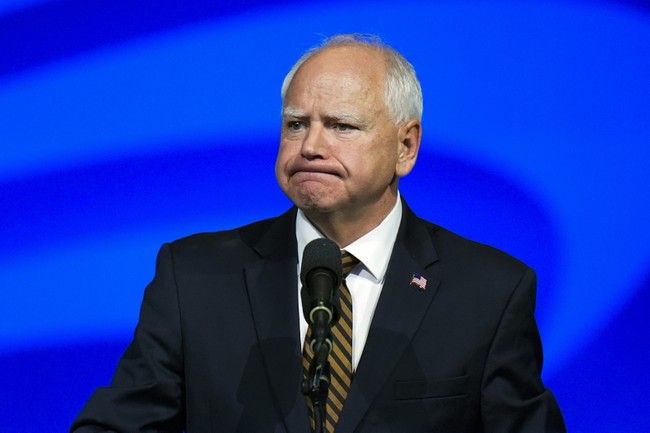
Minnesota Governor Tim Walz made headlines in 2022 when he expressed strong support for Somali refugees, describing them as integral to the state’s economic and cultural future. His comments, delivered during a public address, highlighted Minnesota’s status as a leading state for refugee resettlement in the United States. “We have more refugees per capita than any other state. That’s not just morally a good thing, it’s our economic and cultural future,” Walz stated, emphasizing the diverse linguistic landscape in local schools, where students reportedly speak as many as 50 languages.
The remarks have drawn mixed reactions from the public and political commentators. Supporters assert that the influx of refugees contributes positively to the state’s economy and enriches its cultural fabric. Critics, however, argue that such demographic shifts can create challenges in communication and integration. One critic questioned the benefits of having numerous languages spoken in schools, suggesting it complicates educational cohesion.
As the political landscape evolves, some have raised concerns about Walz’s intentions and the implications of his statements. Detractors assert that his focus on refugee resettlement reflects a broader agenda to alter Minnesota’s cultural identity. They argue that prioritizing a diverse influx of residents can lead to societal fragmentation, likening it to a “chaotic Tower of Babel” scenario.
The discourse surrounding Walz’s comments gained further intensity as he was considered a potential vice-presidential candidate alongside Kamala Harris. Speculation about his experience and qualifications intensified, particularly in light of claims regarding his financial background. Reports emerged that Walz owns no property or stocks, raising questions about his economic acumen while leading a state with a significant budget.
Concerns regarding financial oversight in refugee programs have also surfaced. Critics suggest that the influx of funds for refugee assistance may be mismanaged, hinting at potential corruption within the system. “When this all shakes out, we will be surprised if Walz didn’t have a direct hand in the billions of dollars of fraud happening in Minnesota,” one commentator stated.
The debate over Walz’s views reflects broader national conversations about immigration and refugee policies. As Minnesota continues to navigate its identity in the context of increased diversity, the implications of Walz’s statements and their perceived consequences will likely remain at the forefront of political discussions.
In conclusion, Governor Tim Walz’s remarks on refugees have sparked significant dialogue about Minnesota’s future, raising important questions about integration, economic impact, and the state’s evolving cultural landscape. As these discussions unfold, the focus will be on how such policies shape the lives of both new residents and longstanding communities in Minnesota.