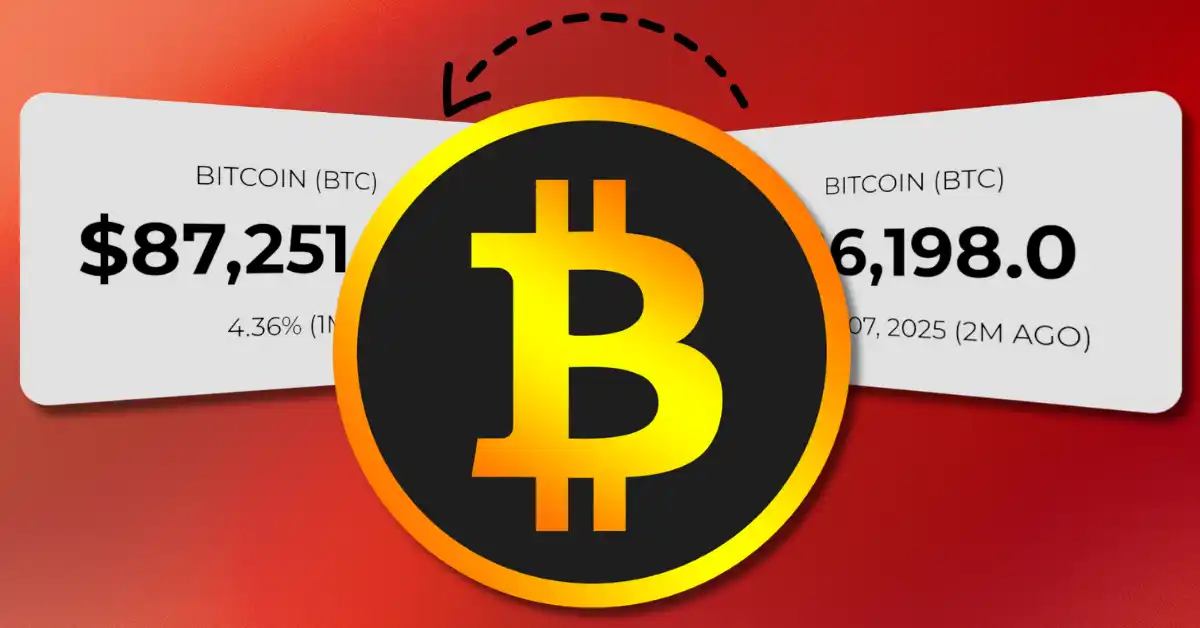
Bitcoin’s price is experiencing a downturn as 2025 draws to a close, with a nearly 10% decline perplexing many investors. Despite expectations for a transformative year marked by events such as the introduction of spot Bitcoin exchange-traded funds (ETFs) and increased institutional interest, the cryptocurrency’s value has not followed suit. Yet, Michael Saylor, co-founder of MicroStrategy and a prominent advocate for Bitcoin, argues that the market is misinterpreting the situation. He believes that 2025 is not a failure but rather a preparatory phase for significant developments ahead.
Strong Fundamentals Behind Bitcoin’s Performance
In a recent appearance on Alex Thorn’s podcast, Saylor emphasized that the last year may have been pivotal for Bitcoin, particularly regarding its fundamentals. He stated, “The last 12 months have probably been the best 12 months in the history of the industry in terms of fundamentals. It’s profound what’s happened since December.” Saylor highlighted that while institutions such as BlackRock often grab headlines, around 85% of Bitcoin holdings are still controlled by early adopters whose identities remain largely anonymous. This distribution, coupled with the influence of derivatives markets, suggests that short-term price fluctuations are more frequently driven by trader sentiment rather than by genuine demand.
As Bitcoin’s price struggles to gain momentum, Saylor attributes this sluggishness to broader macroeconomic conditions rather than intrinsic issues within the cryptocurrency market. Historically, Bitcoin has thrived when economic activity surpasses the critical 50 level on the Purchasing Managers’ Index (PMI). Currently, however, the global economy has remained in contraction for nearly three years. Analyst Nico recently noted, “Bitcoin is a liquidity thermometer. Easy money, it goes up. Tight money, it goes down.” This indicates that Bitcoin’s subdued price movements may reflect tight liquidity rather than deteriorating fundamentals.
Institutional Adoption on the Horizon
Adding to the optimistic outlook, Saylor shared insights regarding anticipated institutional participation in 2026. He indicated that major U.S. banks are expected to begin purchasing Bitcoin, providing custody services, and offering credit lines backed by Bitcoin assets in the first half of 2026. This development follows discussions between Saylor and executives from BNY Mellon, Wells Fargo, and Bank of America, who are exploring mechanisms to manage Bitcoin for their clients prior to launching loans or investment products.
Currently, MicroStrategy holds 671,268 BTC, valued in the billions, positioning it as a leader in public company Bitcoin ownership. Collectively, public companies now possess over 1 million BTC, indicating a growing interest from institutional investors and clearer regulatory frameworks. Saylor predicts that this surge in adoption could stabilize Bitcoin prices in 2026, potentially reaching between $143,000 and $170,000.
The evolving landscape suggests that if banks begin offering custody or lending related to Bitcoin, everyday investors could find it easier to navigate the cryptocurrency market. This prospective shift may attract cautious investors who have previously hesitated to engage with digital currencies. As Bitcoin continues to mature, its price dynamics appear increasingly influenced by institutional actions and broader economic conditions rather than solely by the cryptocurrency ecosystem itself.
In summary, while Bitcoin’s current performance may appear lackluster, the foundations being laid now, combined with anticipated institutional engagement, could set the stage for a more robust market in the coming years.