A collection of letters dating back to the late 1940s has shed light on the advocacy efforts that eventually led to the construction of Carters Dam in Georgia. The correspondence, primarily authored by S.O. Penland Senior, reveals how he tirelessly campaigned for a levee and reservoir in the region, influencing local legislators and federal representatives over several decades.
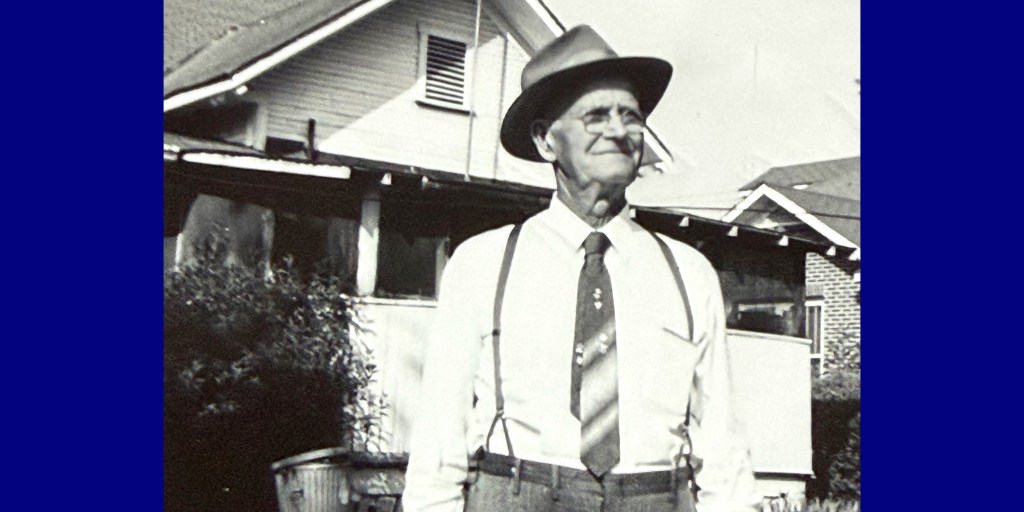
Penland, who was born in the 1880s in Ellijay, served in the Georgia House of Representatives during the 1920s. His advocacy began as early as 1947, targeting officials like U.S. Senator Richard B. Russell and Senator Herman Talmadge. Penland’s grandson, Sam Penland, recently revisited these letters after reading about Carters Dam in local newspapers, including the Times-Courier and Dalton Daily Citizen.
The dam, which now sits in an area rich in history and natural beauty, attracts thousands of visitors to Carters Lake. The lake features various recreational activities, including boating, fishing, and hiking. A visitors center near the dam highlights the area’s flora and fauna and its construction history.
According to Sam Penland, his grandfather’s connections with prominent politicians were instrumental. “He knew Senator Russell and Governor Talmadge personally,” he stated. “He would deliver apples to them in Atlanta.” This personal touch likely helped maintain momentum for the dam project, which faced numerous bureaucratic hurdles.
The letters also reveal a broader context of flood control concerns in the region. One letter mentions flooding from the Coosawattee River affecting towns like Calhoun and Rome. Penland’s advocacy was not limited to the dam; he also pushed for the paving of Tails Creek Road, a significant route that connected Ellijay to Dalton.
The road was essential for transport in the 1950s, as the existing paths were rough and often impassable. Sam Penland recalled, “Back then, Tails Creek Road ended at the Murray County line, and you had to take a rough road over Blood Town Gap.” His grandfather’s vision for infrastructure development was clear, and he understood the area’s potential.
Despite his efforts, Penland faced significant challenges, particularly political resistance. Letters from the time indicate that funding for new projects was often scarce. In a March 1954 letter, U.S. Representative Henderson Lanham expressed doubts about securing funding under the Eisenhower administration, citing budget constraints and prioritization of military preparedness.
Yet, Penland remained undeterred. His advocacy continued through the 1950s, with further correspondence highlighting the need for flood control and power generation solutions. In a letter dated May 1959, Russell acknowledged the bureaucratic delays that had hindered progress on the dam, while a 1961 report estimated the construction costs at around $38 million.
Sam Penland believes that his grandfather’s relentless pursuit of the project made a substantial difference. “He kept writing until the day he died,” he remarked, noting that Penland believed someone was listening to his pleas. The eventual success of the dam is a testament to his efforts and the political landscape of the time.
The Penland Brothers Store, established in 1914, remains a local staple in Ellijay. Sam Penland, who took over the store in 1980, recalls a time when cash was scarce, and barter was commonplace. “We had produce and fur hides; almost anything you could skin,” he explained, reflecting on the local economy of that era.
A memorable moment for Sam and his family occurred when a large evergreen tree from River Street was selected for the annual Christmas tree lighting at Rich’s department store in Atlanta. “I pulled that tree up from the middle of the Coosawattee River,” he recalled, noting the family’s joy in participating in the event.
The letters discovered by Sam Penland serve as a reminder of the dedication and persistence of his grandfather. They reflect a time when collaboration between legislators and constituents was more personal and direct. The history of Carters Dam is not just about a structure; it represents the collective efforts of individuals dedicated to improving their community.
While S.O. Penland’s name does not adorn the dam, his legacy persists through the visitors who enjoy the lake and the surrounding natural beauty. His advocacy illustrates the importance of local voices in shaping regional infrastructure, a sentiment that remains relevant in today’s discussions about community development and environmental conservation.