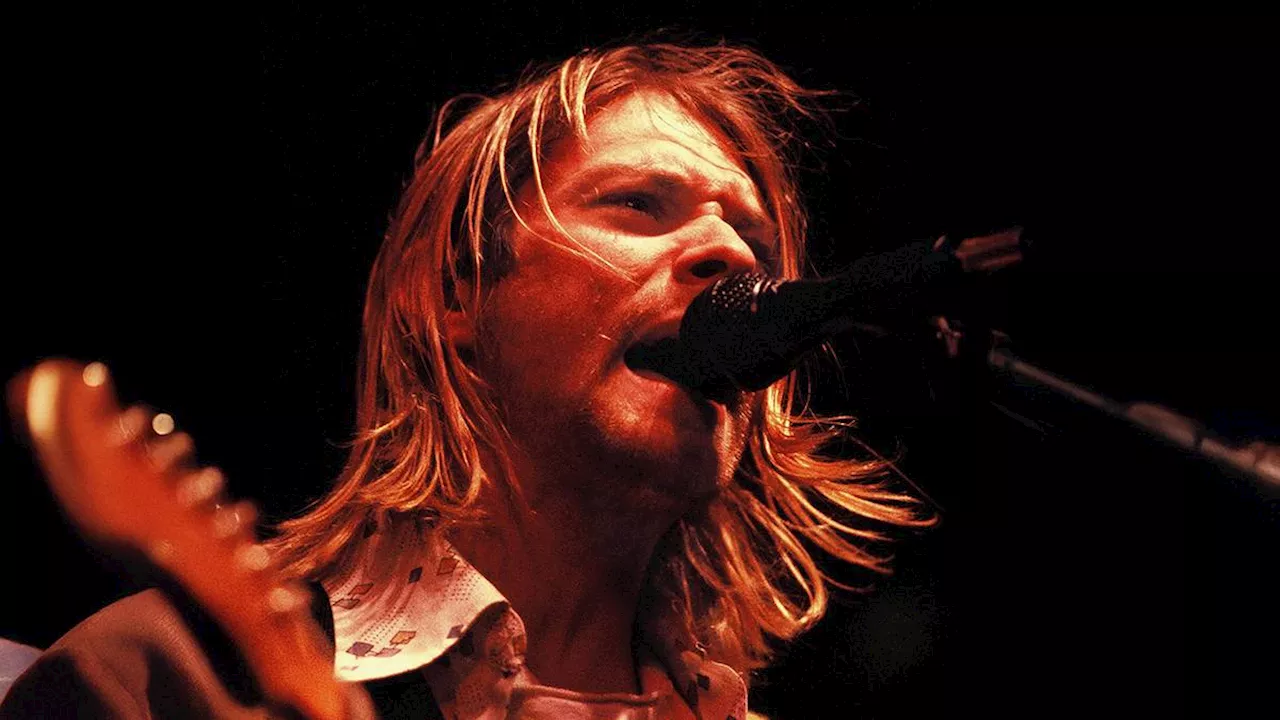
Nirvana’s legacy continues to resonate, particularly through their iconic album Nevermind, released in 1991. Recently, Kathleen Hanna, the lead singer of the influential punk band Bikini Kill, reflected on the significance of Nirvana’s track “Smells Like Teen Spirit,” calling it one of the band’s greatest songs. This connection not only highlights Nirvana’s impact on rock music but also emphasizes the intertwined history of the grunge scene and the feminist movements of the early 1990s.
The Intersection of Grunge and Feminism
Nirvana, led by frontman Kurt Cobain, was pivotal in bringing Seattle’s underground music scene to mainstream audiences. The band’s lyrics often critiqued societal norms and expressed the angst of youth. However, Nirvana’s narrative is also closely linked to the Riot Grrrl movement, of which Bikini Kill was a key player. This feminist punk movement emerged from the same Pacific Northwest scene that birthed Nirvana, challenging the male-dominated music industry.
The relationship between Cobain and Hanna’s bandmate, Tobi Vail, significantly influenced Nirvana’s music. Cobain and Vail’s romance inspired several songs on Nevermind, including “Aneurysm” and “Drain You.” Hanna’s memoir, Rebel Girl, recounts her close friendship with Cobain during this time: “Kurt was the first feminist man who never thought being an ally meant you couldn’t defend a woman in bold strokes,” she stated, recalling how Cobain once stood up for her against an abusive partner.
The Origin of a Legendary Song
The story behind “Smells Like Teen Spirit” is particularly notable. Hanna recalls a playful moment with Vail and Cobain when they encountered a deodorant brand named Teen Spirit. “We laughed about it, and I wrote ‘Kurt smells like teen spirit’ on his wall when I was drunk,” Hanna explained in an interview. “I didn’t realize I was helping name a song that would take grunge global.” When Cobain later asked for permission to use the phrase, he sparked a cultural phenomenon that defined a generation.
While “Smells Like Teen Spirit” catapulted Nirvana to international fame, Cobain himself expressed frustration with its overwhelming success. In a 1994 interview with Rolling Stone, he remarked, “Once it got into the mainstream, it was over. I’m just tired of being embarrassed by it.” He believed that other tracks from Nevermind, such as “Drain You,” deserved equal recognition but were overshadowed by the hit.
The legacy of these artists remains significant. Hanna has continued to champion women’s voices in music, connecting with contemporary artists like Olivia Rodrigo and Hayley Williams on the NPR podcast Music Makes Us. Despite her contributions, Hanna has often felt reduced to a mere footnote in the narrative of Nirvana. “I want to be seen as a feminist artist with my own trajectory and musical legacy,” she asserted.
The intertwining stories of Nirvana and Bikini Kill reflect the complexities of fame, art, and gender dynamics within music. As both bands pushed boundaries during the late twentieth century, their legacies continue to inspire new generations of musicians, reinforcing the enduring power of their messages.