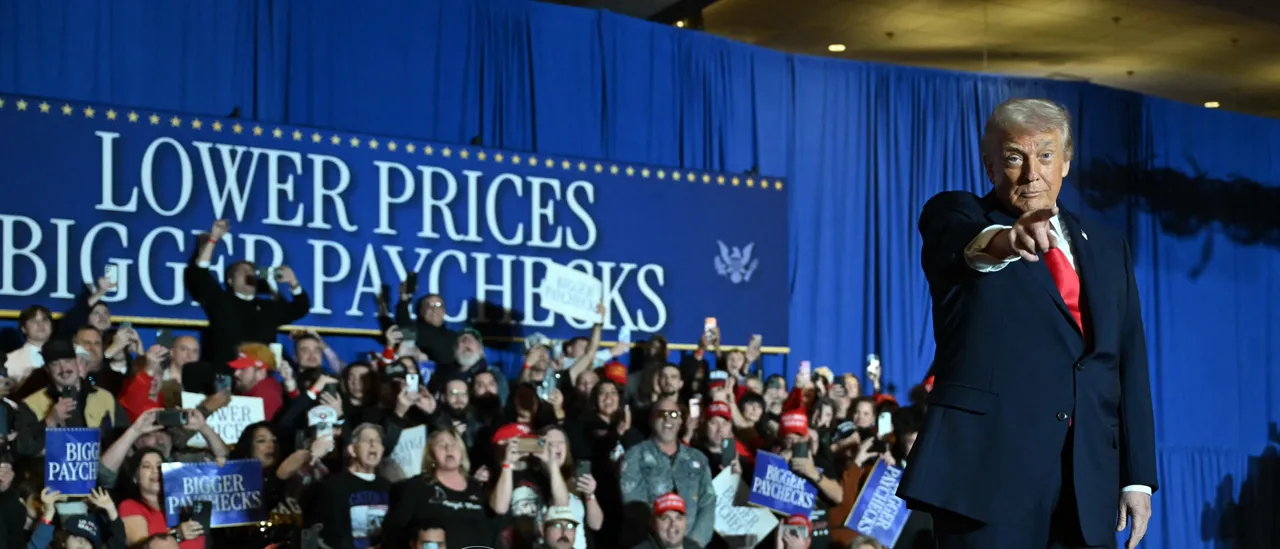
Republican leaders are actively pursuing a comprehensive affordability agenda, aiming to resonate with voters ahead of the 2026 midterm elections. Following significant tax cuts passed earlier this year, the party is focusing on various issues, including healthcare, housing, and interest rates, that they believe will provide tangible benefits to American families. Despite holding unified control in Washington, Republicans are facing challenges in their economic messaging as public confidence remains low.
According to a December NPR/PBS News/Marist poll, while 74% of Republicans express optimism about the economic outlook for the next year, 57% of the general public anticipates worsening economic conditions. The Republican strategy hinges on the recently enacted Working Families Tax Cuts Act, also referred to as the “One Big Beautiful Bill.” This legislation extends lower tax rates and higher standard deductions established under the 2017 Trump tax cuts and introduces new write-offs for specific worker groups.
Administration officials, including Treasury Secretary Scott Bessent, assert that the positive impacts of these tax cuts will soon be evident, with households expected to receive refunds ranging from $1,000 to $2,000 in early 2026. The law also permits businesses to immediately deduct capital expenditures, a move Republicans believe will stimulate hiring and wage growth. President Donald Trump confidently stated, “We are poised for an economic boom the likes of which the world has never seen.”
As the administration grapples with declining approval ratings regarding its economic management, Republicans are adopting a more proactive stance on affordability. This is particularly visible in the healthcare sector, where Democratic opponents have characterized Republican efforts to address waste and fraud in programs like Medicaid as cuts. Critics argue that the new work requirements instituted by the One Big Beautiful Bill could negatively impact coverage for millions, while enhanced Obamacare subsidies set to expire at the end of the year have also come under scrutiny.
House Democrats have initiated a discharge petition to force a vote on extending these subsidies, which is expected in January. However, the proposal faces significant hurdles in the Senate, where Republicans have previously blocked similar extensions. In response, Republicans emphasize that the subsidies enacted during the Biden administration obscure deeper systemic issues within the healthcare framework. They point to evidence indicating that premiums on the Obamacare exchanges have escalated at approximately double the rate of employer-based plans.
Despite these concerns, a considerable portion of the population remains apprehensive about affording necessary healthcare services, with 54% of adults expressing worry about their ability to pay for treatment within the coming year. To address these anxieties, Senate Republicans have proposed a bill backed by Trump that would provide between $1,000 and $1,500 into Health Savings Accounts, linked to Bronze or Catastrophic plans on the ACA exchanges. Although this measure was promptly blocked by Democrats, House Republicans have made strides toward legislation focused on cost-sharing reduction payments and transparency for pharmacy benefit managers.
House GOP leaders have identified healthcare policy as a crucial area of focus for the early months of the midterm election year. Hayden Dublois, data and analytics director at the Foundation for Government Accountability, emphasized the importance of effectively communicating affordability issues. “Whoever messages and wins on the affordability issue is going to be in a winning position for the midterms,” Dublois noted.
Housing affordability has also emerged as a critical concern for voters. The White House has indicated that a comprehensive housing proposal is forthcoming, with National Economic Council Director Kevin Hassett suggesting new plans to ease the burden on homebuyers. Hassett stated, “We are going to have a plan, a big plan, to announce sometime soon in the new year that’s going to be very good news for the American people who feel like it’s not affordable to buy a home anymore.”
Despite the administration’s efforts, not all proposals have garnered support. A suggestion of a 50-year mortgage was met with skepticism, even among Trump’s allies. Additionally, some lawmakers are advocating for another reconciliation bill in 2026 to tackle affordability challenges. Sen. John Kennedy of Louisiana has been an outspoken supporter of using the reconciliation process, which would allow Republicans to circumvent a Democratic filibuster.
While House Speaker Mike Johnson has shown openness to this idea, Rep. Jason Smith, chair of the House Ways and Means Committee, expressed skepticism about the feasibility of a second reconciliation bill. Trump himself has indicated that the party does not need another major bill, asserting that the recent tax and spending legislation has already addressed key issues.
Interest rates represent another avenue through which the administration hopes to enhance affordability. With Federal Reserve Chair Jerome Powell’s term concluding in May, Trump has the opportunity to appoint a new leader who aligns with his calls for lower interest rates. The President has consistently criticized the Fed for maintaining high rates, which he argues hinder economic growth.
As the 2026 midterms approach, Republicans are positioning affordability as a cornerstone of their campaign strategy. With ongoing public concern regarding economic conditions, the party’s ability to effectively communicate their agenda may play a pivotal role in shaping voter sentiment in the upcoming elections.