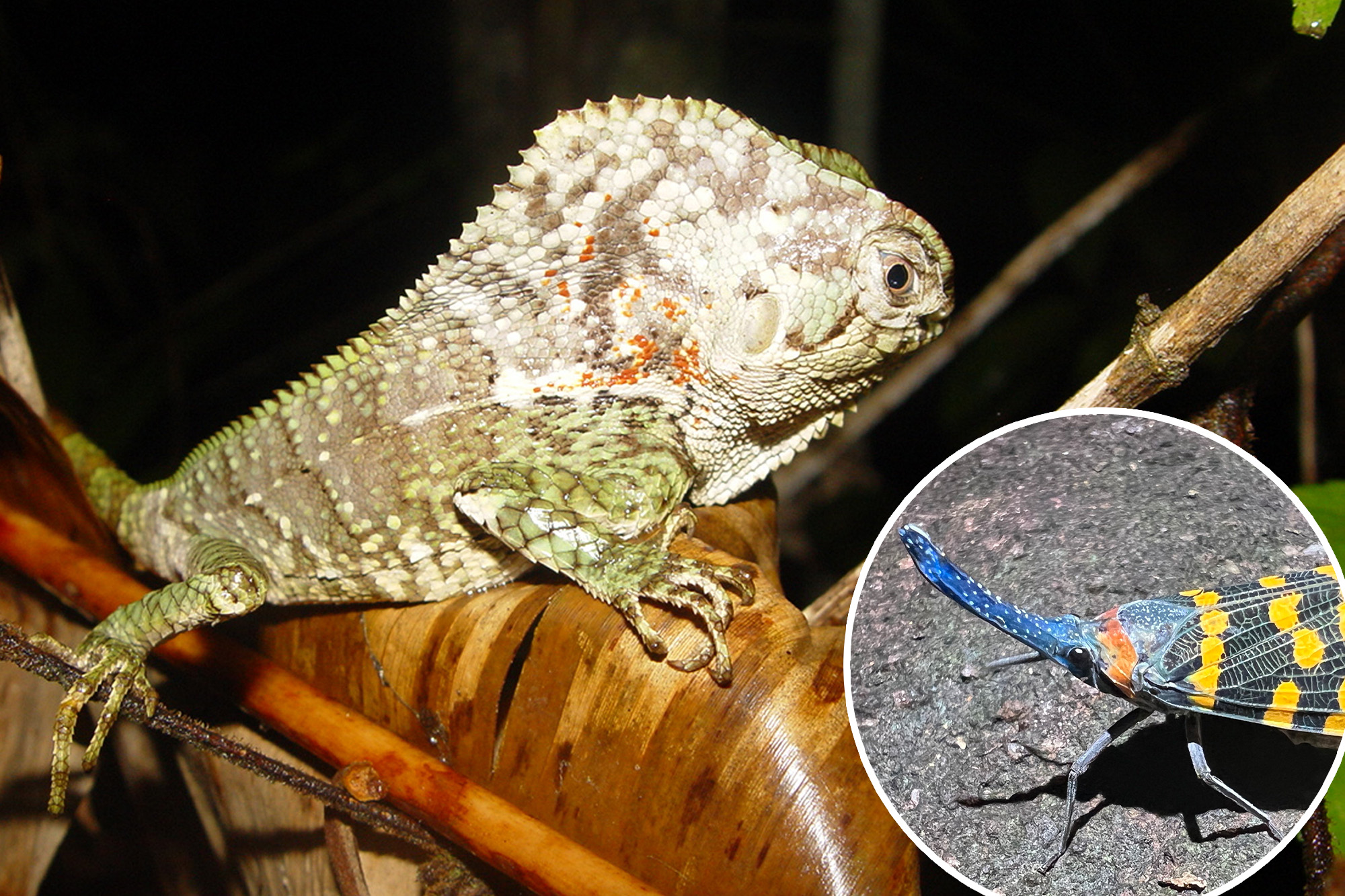
New research reveals that scientists are identifying over **16,000 new species** each year, a rate faster than ever recorded. This study, conducted by researchers at the **University of Arizona**, underscores a growing understanding of global biodiversity, indicating that many groups, including plants, fungi, arachnids, fish, and amphibians, contain far more diversity than previously believed.
Historically, the endeavor to catalog life on Earth began with **Carl Linnaeus**, a Swedish naturalist who, around **300 years ago**, created the binomial naming system and described over **10,000 species**. His work laid the foundation for modern taxonomy, but today’s researchers are making discoveries at an unprecedented pace. The findings, published in the journal **Science Advances**, highlight that approximately **15% of all known species** have been identified within the last two decades.
Professor **John Wiens**, the study’s senior author, stated, “Some scientists have suggested that the pace of new species descriptions has slowed down, indicating we are running out of new species to discover. Our results show the opposite.” Between **2015 and 2020**, the team analyzed the taxonomic histories of around **two million species** and found that more than **16,000 new species** were documented annually during this period. This includes over **10,000 animals**, primarily arthropods and insects, alongside **2,500 plants** and **2,000 fungi**.
The research indicates a disparity between species discovery and extinction rates. Professor Wiens noted, “This rate of new species discovery far outpaces the rate of species extinctions, which we calculated to be about **10 per year**.” The implications of these findings are significant, as the newly identified species encompass a range of organisms, including insects, plants, fungi, and hundreds of vertebrates.
The team further examined trends over time to forecast future discoveries. They estimate that there could be as many as **115,000 fish species** and **41,000 amphibian species**, despite current records showing about **42,000 fish** and **9,000 amphibians**. Additionally, they predict that the total number of plant species could exceed **500,000**.
Reflecting on the vast unknowns of biodiversity, Professor Wiens remarked, “If visiting aliens asked us how many species live on our planet, we would have no definitive answer. We currently recognize about **2.5 million species**, but the actual number may be in the tens or hundreds of millions, or even low billions.”
As the discovery rate of new species continues to rise, scientists have identified around **1.1 million insect species**, with estimates suggesting there may be as many as **six million** or even up to **20 million**. Professor Wiens explained, “Most new species are identified by visible traits. However, with the advancement of molecular tools, we will uncover even more cryptic species distinguishable only on a genetic level, particularly among bacteria and fungi.”
The significance of discovering new species extends beyond academic interest. The documentation of new organisms is essential for conservation efforts, as species cannot be protected until they are scientifically described. “Documentation is the first step in conservation. We cannot safeguard a species from extinction if we do not know it exists,” emphasized Professor Wiens.
Moreover, the discovery of new species contributes to advancements in medicine and technology. For instance, the hormone found in Gila monsters has inspired popular weight-loss drugs such as **Mounjaro**. Numerous plants, fungi, and even the venoms of spiders and snakes contain natural products with potential medicinal applications, including pain relief and cancer treatment.
Inspiration for innovation can also be drawn from nature; for example, materials mimicking the adhesive capabilities of gecko feet are being developed for various applications. Professor Wiens stated, “We are still just scratching the surface of what these species can do for humanity.”
The research team plans to map areas where new species are frequently discovered to identify geographic “hotspots” of undiscovered biodiversity. Professor Wiens concluded, “Even though Linnaeus’ quest to identify species began **300 years ago**, **15% of all known species** have been discovered in just the past **20 years**. So much remains unknown, and each new discovery brings us closer to understanding and protecting the incredible biodiversity of life on our planet.”