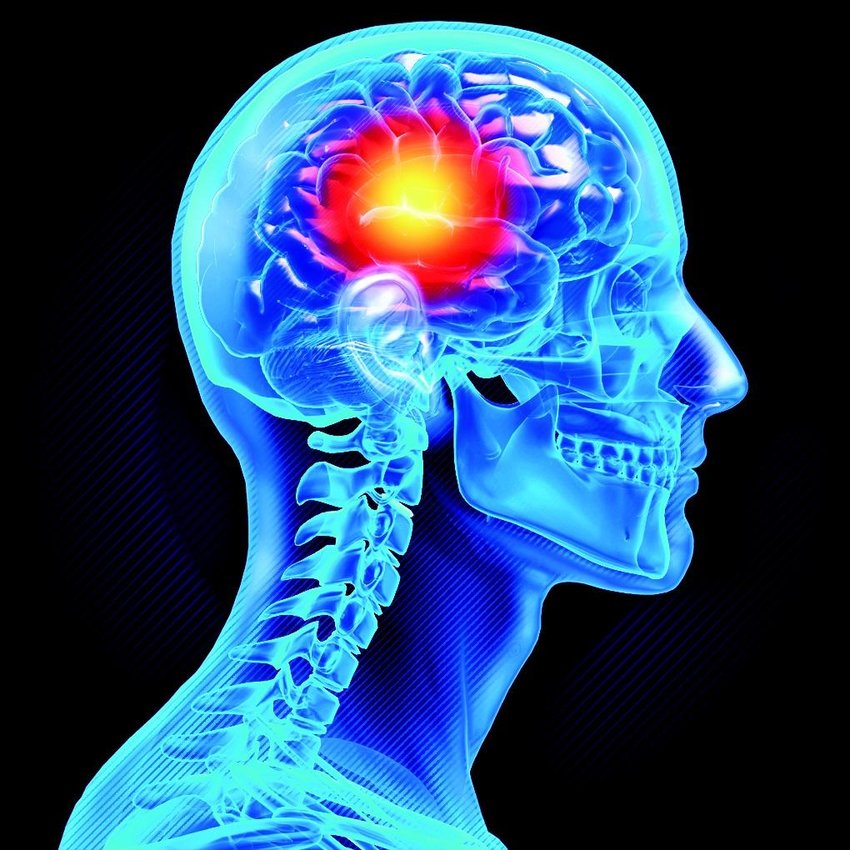
As families gather for Christmas dinner, dementia experts are urging individuals to be attentive to signs of the condition that may become more apparent during festive celebrations. Key indicators of dementia can arise in social settings, making the holiday period a crucial time for observation.
Recognizing Symptoms During Holiday Gatherings
According to the Alzheimer’s Association, the holiday season can trigger noticeable behaviors in individuals that may suggest the onset of dementia. These symptoms might include memory lapses, difficulty in following conversations, or confusion about familiar surroundings. Experts emphasize that these signs can be especially evident when individuals are under stress or in new environments, which is common during family gatherings.
Dr. Sarah Thompson, a leading researcher in dementia care, explains that “the hustle and bustle of Christmas can exacerbate cognitive issues.” She advises family members to be vigilant, particularly when preparing meals or engaging in conversations that require memory and cognitive skills. Observing these behaviors can lead to earlier diagnosis and intervention, which are critical for managing the condition effectively.
The Importance of Early Detection
Early detection of dementia can significantly improve the quality of life for affected individuals. According to the World Health Organization, recognizing symptoms early allows for timely treatment options and better support strategies for families. The festive season, often characterized by increased social interaction, provides an opportunity to identify potential issues that might otherwise go unnoticed.
Experts recommend that family members engage in open discussions about any changes they observe. They suggest using the holiday meals as a moment to gently assess cognitive abilities. For instance, noticing if a loved one struggles to remember family members or has difficulty following the flow of conversation can be significant.
Additionally, families are encouraged to involve individuals in planning and preparing meals. This can help gauge their cognitive function while also making them feel included and valued during the festivities.
As Christmas approaches, families should consider the implications of these observations. The Christmas dinner setting can serve as a crucial indicator of cognitive health, providing an invaluable opportunity for families to address potential concerns collaboratively.
In conclusion, as the holiday season unfolds, staying attentive to behavioral changes can be vital. With the support of health professionals and open lines of communication within families, early signs of dementia can be recognized and addressed, paving the way for better outcomes for those affected.