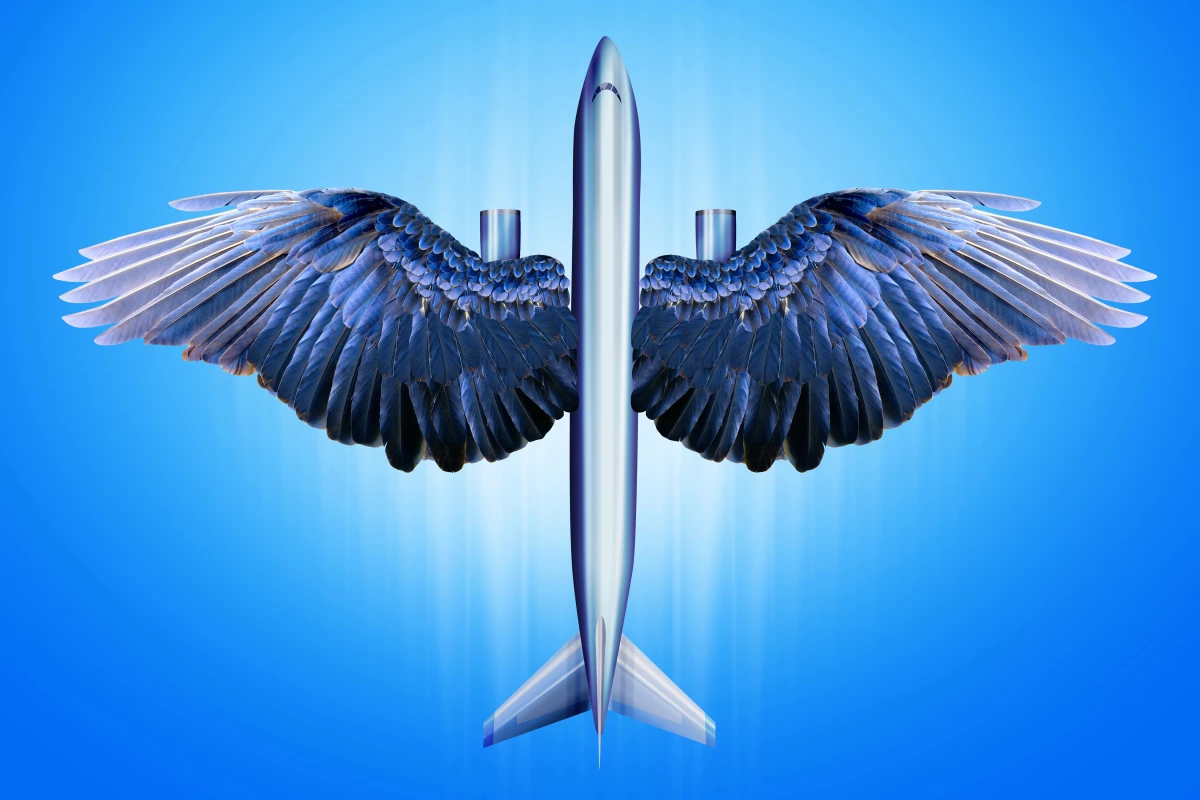
Engineers have unveiled remarkable advancements in biomimicry in 2025, drawing inspiration from the natural world to enhance technology. Innovations such as water-skipping robots and materials inspired by elephant skin are set to redefine industries by improving efficiency and performance. As the demand for energy-efficient solutions and advanced robotics grows, the influence of nature on technology continues to expand.
Nature as a Blueprint for Innovation
Biomimicry, the practice of emulating nature’s designs and processes, has been a guiding principle for inventors for centuries. Leonardo Da Vinci famously studied birds in the late 1400s to inform his designs for flying machines. Today, engineers leverage a deeper understanding of animal behavior, movement, and evolution to create cutting-edge technologies.
As we advance into an era characterized by heightened demand for sustainability and innovation, the significance of biomimicry becomes increasingly apparent. From robotics to materials science, the natural world provides a rich source of inspiration that can lead to breakthroughs in various fields.
Key Innovations in Biomimicry for 2025
This year, several standout developments have emerged from the intersection of nature and technology. Notably, researchers have designed water-skipping robots that mimic the unique movement of animals that can glide over water surfaces. These robots are not only efficient but also open new avenues for exploration and monitoring in aquatic environments.
Another significant advancement comes from the adaptation of materials inspired by the skin of elephants. Engineers have created cooling materials that replicate the thermal regulation abilities of elephant skin. By utilizing this biomimetic approach, these materials promise to enhance energy efficiency in buildings and vehicles, addressing pressing environmental concerns.
As the field of robotics evolves, the application of biomimicry will likely play a crucial role. Engineers are exploring how animal locomotion can inform robot design, leading to machines that can navigate complex terrains more effectively. This integration of biological principles into engineering is expected to yield robots that are not only more capable but also more resilient.
With the ongoing advancements in biomimicry, the potential for innovative solutions to global challenges continues to grow. As engineers and researchers look to the natural world for inspiration, the future of technology appears promising, driven by the insights gained from observing and understanding animal life.
In conclusion, the developments in biomimicry in 2025 mark a significant step forward in creating technologies that are not only effective but also environmentally sustainable. As industries increasingly turn to nature for design cues, the possibilities for future innovations seem boundless.