Democratic lawmakers have intensified their criticism of the Small Business Administration (SBA) following the agency’s recent decision to relax certain immigration-related requirements for small business loans. The SBA amended its rules to allow businesses with up to 5% foreign ownership to qualify for SBA-backed capital, a change that has not satisfied many critics. This shift marks a departure from the previous stipulation that businesses must be 100% owned by U.S. citizens, nationals, or green card holders.
The new rule, which took effect on June 1, was intended to expand access to capital for small businesses, particularly in manufacturing and critical industries. According to SBA spokesperson Maggie Clemmons, the changes aim to “empower more small businesses to secure needed capital to hire, expand, and invest.” However, the broader restrictions remain in place to prevent government-backed funds from benefiting businesses partly owned by illegal immigrants or noncitizens from countries viewed as adversarial.
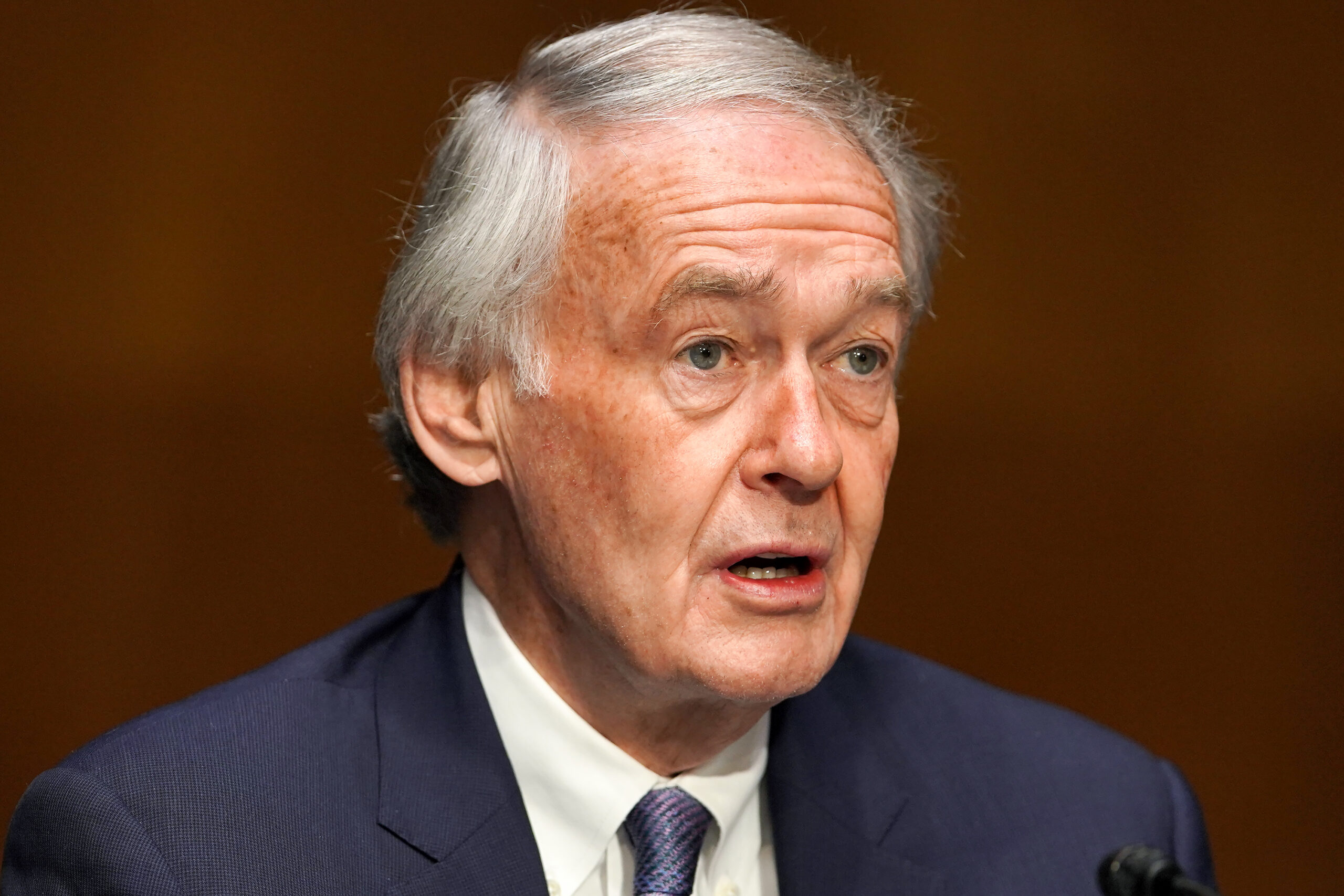
Despite these adjustments, critics argue that the changes do little to alleviate the burdens imposed by the current ownership requirements. Senator Edward Markey, a Democrat from Massachusetts, expressed concerns about the implications of the SBA’s policies on small businesses. He stated, “The Trump SBA is doubling down on their draconian ownership requirements, which will hurt small businesses and surrounding communities.” Markey, along with 18 other Democratic senators, believes that the stricter regulations have contributed to a significant decline in lending activity.
Since the implementation of these restrictions, lending under the SBA’s flagship 7(a) program has plummeted by 30% year over year, exacerbated by a 43-day government shutdown that began on October 1, 2025. Between June and August of 2025 alone, lending activity dropped 46%, according to Senate Democrats. They argue that these changes reverse a quarter-century of SBA policy that previously allowed loans for businesses majority-owned by U.S. citizens or lawful permanent residents.
Tony Wilkinson, president and CEO of the National Association of Government Guaranteed Lenders, acknowledged the concerns from lenders regarding the stringent ownership requirements. In an email, he noted that while the new 5% foreign ownership allowance may not satisfy everyone, it does represent a slight expansion of eligibility. Wilkinson emphasized the challenging nature of the issue, stating, “This really is a tough issue for SBA. While the recent change may not be considered perfect by some, it does expand eligibility slightly, so should be regarded as a good thing.”
As the debate continues, the SBA faces pressure from both lawmakers and lenders to strike a balance between ensuring access to capital for small businesses and addressing national security concerns. The agency’s decisions in this area will likely have lasting implications for the small business landscape and the broader economy.