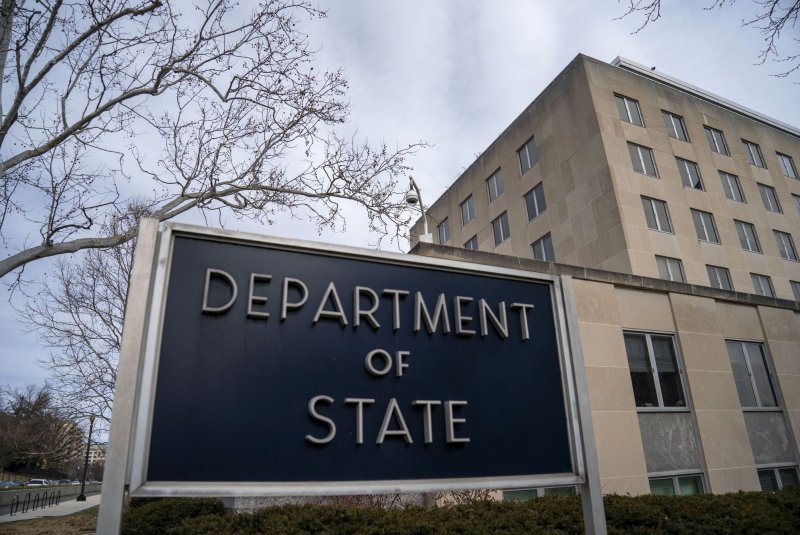
The White House has initiated the recall of as many as 30 career diplomats and ambassadors, a move aimed at reinforcing President Donald Trump‘s “America First” policy. Notifications started last week, with officials in key regions, including Asia, Africa, Latin America, and Europe, directed to return to the United States by mid-January 2024. This significant reshuffle is expected to impact U.S. representation internationally at a time when diplomatic efforts are crucial for addressing global disputes.
Reports from credible sources such as The New York Times, The Washington Post, and CNN indicate that most of those recalled were appointed during the administration of former President Joe Biden. Notably, at least 24 of these diplomats have served under both Democratic and Republican administrations, highlighting the nonpartisan nature of their roles. Each of the ambassadors affected received their latest promotions under Biden, and their standard overseas postings typically last three to four years.
A senior official at the State Department characterized the recall as a “standard process in any administration,” emphasizing the president’s prerogative to appoint representatives who align with his agenda. The official stated, “An ambassador is a personal representative of the president, and it is the president’s right to ensure that he has individuals in these countries who advance the ‘America First’ agenda.”
Traditionally, U.S. ambassadors fall into two categories: career diplomats and political appointees. Career diplomats, as non-political hires, can remain in position long after their appointing president has left office. However, the scale of this recall, along with the lack of advance notice, has raised concerns among the American Foreign Service Association, which represents these diplomats. The association remarked that the abrupt nature of this decision conveys a troubling message about loyalty and experience being overshadowed by political fidelity.
The union noted that many diplomats received their notifications primarily by phone, which they deemed unprecedented. Staff members expressed alarm that crucial missions might be left without leadership, and with only 90 days to find new positions, the career trajectories of many diplomats could be jeopardized.
Among those affected is MaryKay Carlson, the U.S. ambassador to the Philippines. In a letter to friends and family, she expressed her hope for a smoother transition while preparing to depart by the mid-January deadline.
In conjunction with these moves, Secretary of State Marco Rubio announced a major reorganization within the department, aimed at reducing staff levels and streamlining operations. He mentioned that approximately 3,400 U.S.-based staff could face resignation or layoffs, particularly from divisions covering Asia and the Middle East. Rubio stated that under Trump’s leadership, he was committed to “reversing decades of bloat and bureaucracy” within the department. He asserted, “These sweeping changes will empower our talented diplomats to put America and Americans first.”
The ongoing reshuffle reflects a broader strategy to realign U.S. diplomatic efforts with the current administration’s priorities, underscoring the dynamic and sometimes contentious nature of international relations under a new political framework. As the United States prepares for this transition, the implications for diplomatic engagement and global partnerships remain to be seen.