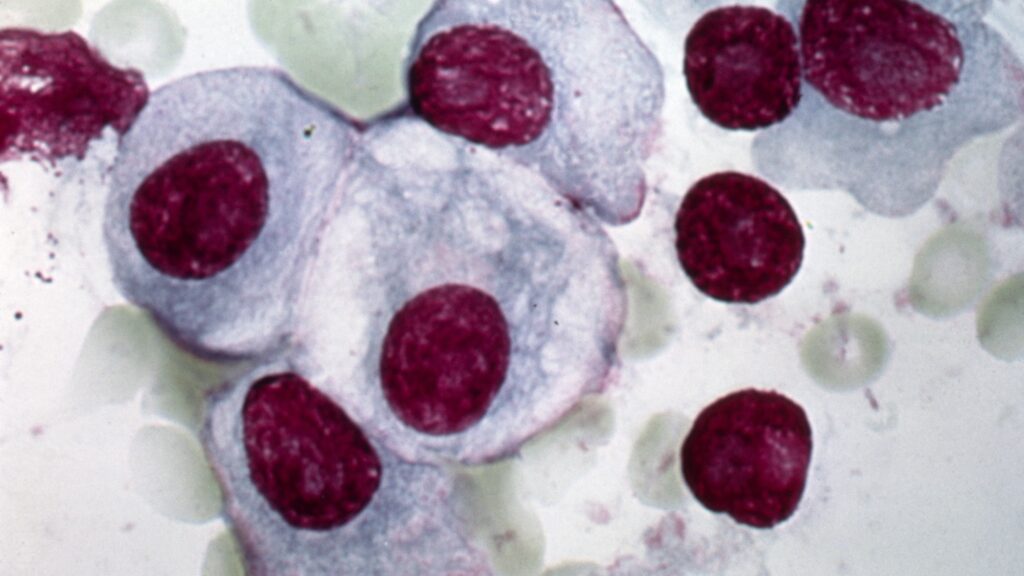
A research group at the University of California, San Diego has developed a groundbreaking microfluidics technology that facilitates the formation of highly uniform biomolecular condensates. This innovation, unveiled in October 2023, utilizes a simple, low-cost vibration platform, making it accessible for laboratories worldwide.
The new method addresses a significant challenge in the field of molecular biology: achieving consistency in the formation of DNA condensates. Traditional techniques often lead to variability, which can impede research and applications in areas such as genetic engineering and drug development. By employing this innovative technology, researchers can now produce condensates with remarkable uniformity, enhancing the reliability of their experiments.
Transforming Biomolecular Research
The implications of this technology extend beyond mere convenience. According to a study published in the journal Nature Communications, the high uniformity achieved through this microfluidics approach could lead to significant advancements in understanding cellular processes. These condensates play a crucial role in various biological functions, including gene regulation and stress responses.
The research group has emphasized that the simplicity and affordability of their method could democratize access to advanced biomolecular research tools. Laboratories with limited budgets can now utilize this technology without the need for expensive equipment. This shift may encourage more researchers to explore complex biological phenomena that were previously challenging to investigate due to resource constraints.
Future Research Directions
Looking ahead, the research team plans to collaborate with other institutions to further refine the technology and expand its applications. By integrating this microfluidics platform with other experimental techniques, they aim to unlock new avenues in the study of biomolecular interactions and cellular behavior.
As the global research community continues to embrace innovative technologies, this advancement in microfluidics demonstrates the potential for significant breakthroughs in molecular biology. The accessibility of such tools could foster an environment of increased collaboration and discovery, paving the way for future developments that may reshape our understanding of genetics and cell biology.
In conclusion, the introduction of this novel microfluidics technology marks a pivotal moment in the production of biomolecular condensates. With its ease of use and affordability, it stands to benefit researchers across the globe, ultimately contributing to advancements in science and medicine.