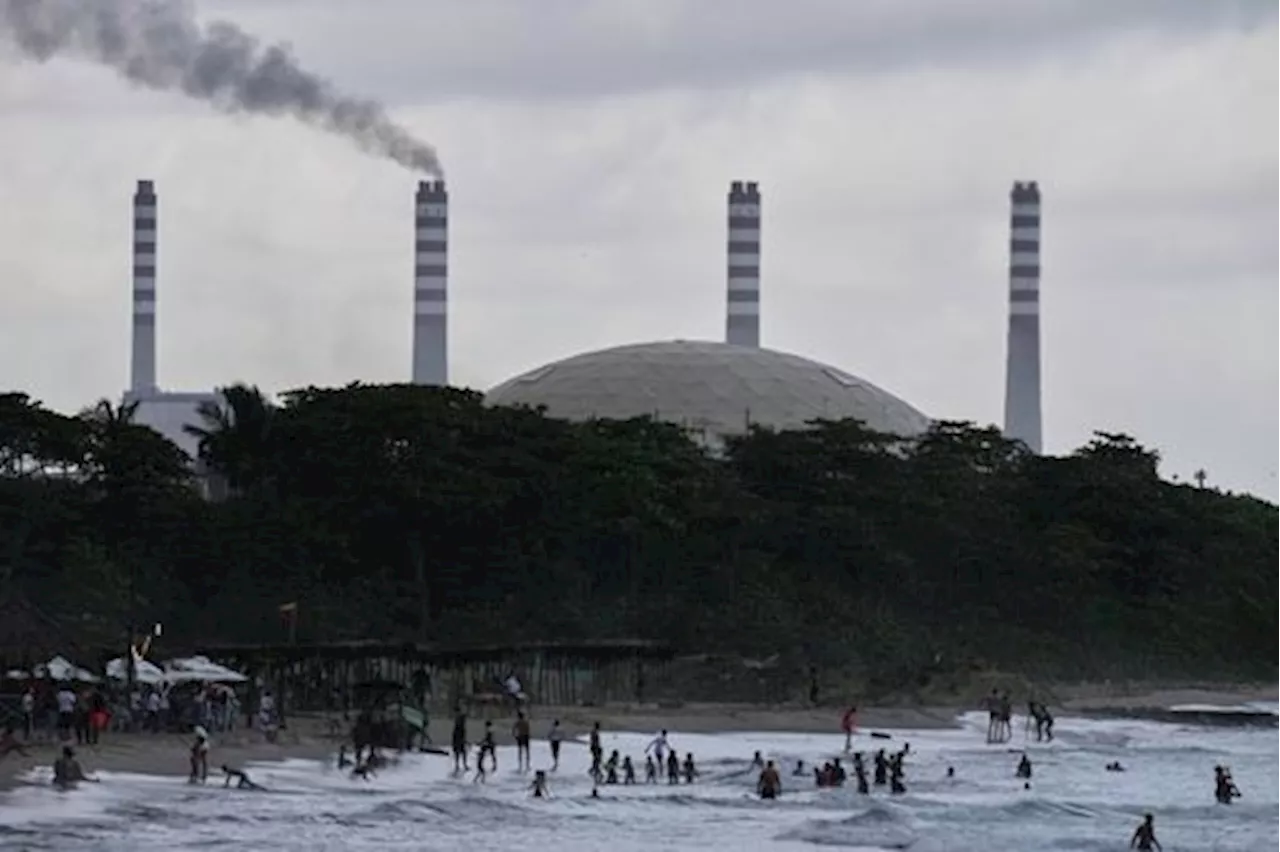
UPDATE: Venezuela has officially announced it has achieved its oil production target of 1.2 million barrels per day, despite significant pressure from the United States, including the seizure of oil tankers linked to the nation.
The announcement was made by Vice President Delcy Rodriguez via Telegram earlier today, as US forces continued their aggressive actions against Venezuelan oil interests. Rodriguez emphasized that Venezuelan state oil company PDVSA has successfully reached this milestone under the Productive Independence Plan, positioning the country for increased production in preparation for future goals set for 2026.
Rodriguez characterized the achievement as the “best Christmas gift” for the people of Venezuela, highlighting the determination of oil workers who have faced “harassment, hostility, and imperialist illegality.” She declared, “Nothing and no one will stop us,” reaffirming her support for President Nicolas Maduro.
This declaration of success comes on the heels of US military actions that included the seizure of the Panama-flagged tanker Centuries today, alongside prior seizures of other vessels linked to Venezuela. These actions follow US President Donald Trump‘s earlier declaration of a “total and complete blockade” on sanctioned oil tankers entering or leaving Venezuela, branding Maduro’s government as a “foreign terrorist organization.”
The Venezuelan government has condemned these US actions as “international piracy,” asserting that they violate the nation’s sovereignty. Washington, however, claims its measures are part of a broader initiative to combat corruption and drug trafficking in the region, alleging that Maduro’s administration uses oil profits to fund illicit activities.
The ongoing conflict has escalated tensions between the two nations, as Caracas accuses the US of leveraging anti-narcotics efforts as a facade to undermine the Venezuelan government and seize control of its oil resources.
As this situation develops, observers are urged to monitor not only the geopolitical implications but also the potential impact on the Venezuelan economy and its citizens. The oil sector remains a critical lifeline for Venezuela, and the ability to meet production goals under duress could significantly influence future negotiations and international relations.
What happens next could reshape the landscape of oil production in Venezuela and its interactions with the US. As the world watches, the actions taken by both governments will be crucial in determining the future trajectory of this ongoing crisis.