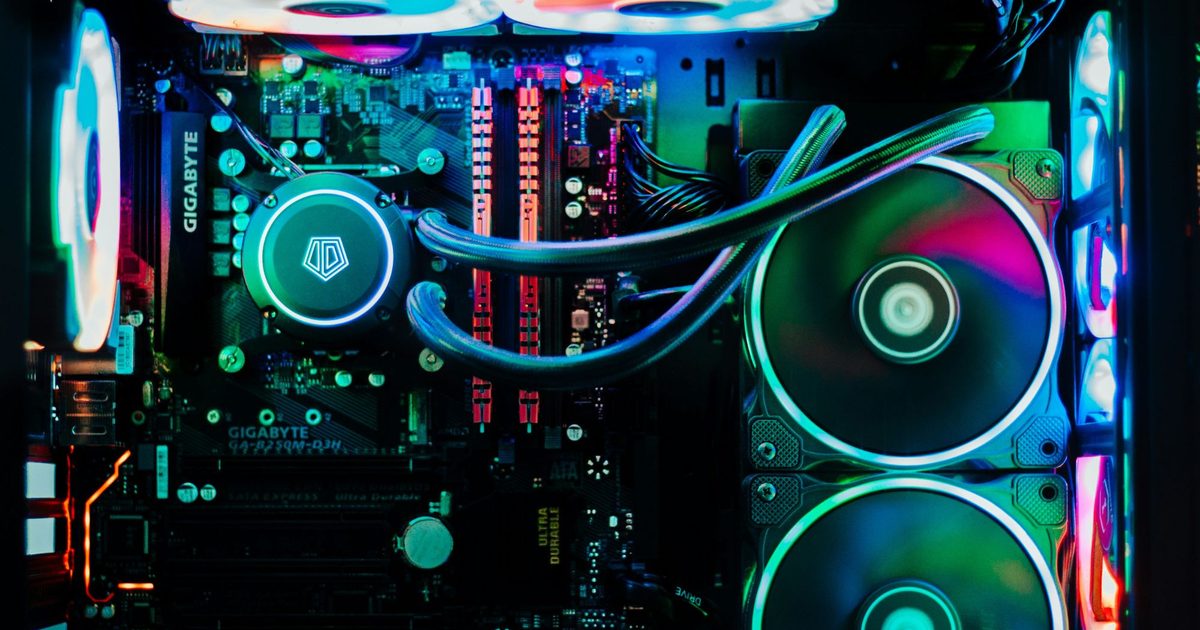
UPDATE: Paradox Customs has just announced a groundbreaking option for prebuilt PCs: customers can now order systems without any RAM installed. This drastic move comes in response to the ongoing memory shortage and soaring DRAM prices affecting the industry, making it increasingly difficult for builders to maintain stock at stable prices.
The decision, revealed earlier today, is a direct reaction to the chaotic hardware market in late 2025. With AI data centers consuming vast amounts of high-bandwidth memory, consumer DDR5 prices have skyrocketed, nearly tripling in the past year. By allowing buyers to “bring your own memory,” Paradox Customs presents a unique solution that aims to alleviate the financial burden known as the “RAM tax.”
This innovative approach enables Paradox Customs to continue shipping systems without the need to inflate base prices with every new shipment of costly memory. For buyers who already have compatible RAM at home, this could lead to significant savings—potentially hundreds of dollars.
However, this shift presents notable challenges. Unlike adding a hard drive, RAM installation is intricately linked to a computer’s functionality. Compatibility issues are common, particularly with newer AMD and Intel platforms. If a user connects an incompatible RAM kit, they risk encountering a black screen or persistent blue-screen crashes.
As a result, customers may find themselves in a confusing support situation. While Paradox Customs commits to supporting the remaining hardware, users must ensure their own RAM is compatible. For less experienced users, this could turn a straightforward purchase into a frustrating troubleshooting experience.
For now, Paradox Customs’ decision appears to be a clever survival tactic rather than a permanent shift in PC sales. However, it raises critical questions about the future of the industry. If memory shortages persist into 2026, more builders may offload expensive or scarce components onto consumers.
While this strategy may benefit tech enthusiasts looking to save costs and recycle old parts, it poses a significant barrier for average buyers who simply want a ready-to-use computer. This development serves as a stark reminder that the era of affordable and abundant PC components is facing challenges.
For anyone planning a PC build soon, experts advise checking motherboard compatibility lists before attempting to save money by using existing RAM. As this situation evolves, the landscape of prebuilt PCs may continue to shift, impacting how consumers approach future purchases.