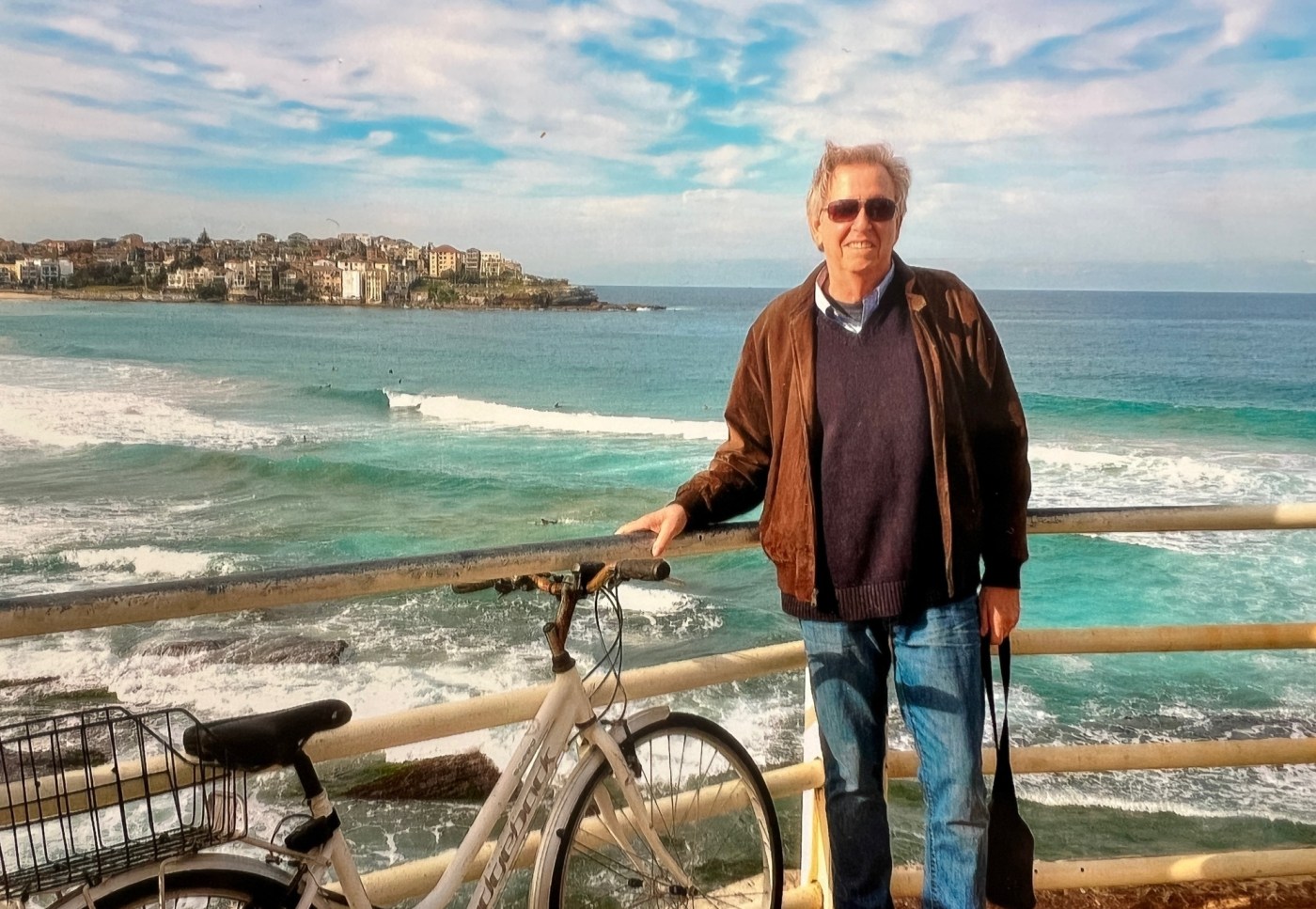
On December 14, 2025, a tragic incident unfolded at Bondi Beach during Hanukkah celebrations, where a shooting resulted in the deaths of 15 Jewish individuals, with many others injured. This event is a stark reminder of the persistent antisemitism that has affected communities globally, including Australia. In the aftermath, former journalist Mark I. Pinsky shared a personal letter with his grandchildren, expressing the importance of understanding the Jewish experience in Australia.
Understanding Jewish History in Australia
Pinsky, who has spent considerable time in Australia, reflects on the rich history of the Jewish community since the arrival of the first European immigrants in the 1700s. Many of these early settlers included Jewish convicts from London. Over the years, the Jewish population has played a significant role in various sectors, including commerce and politics, contributing to the nation’s fabric.
During visits to Australia, Pinsky and his wife, Sallie Brown, engaged with their family and the wider community, attending services at synagogues in cities like Melbourne, Hobart, and Ballarat. They visited Jewish museums that highlight the resilience and contributions of Jews throughout Australian history.
Among the notable figures in this history is Sir John Monash, an Australian army general, after whom Monash University is named. This institution stands as one of the few universities outside of Israel and the United States to honor a Jewish figure, symbolizing the integration and acceptance that many Jews have experienced in Australia.
Acts of Courage and Community Solidarity
The horrific events at Bondi Beach also spotlighted acts of bravery. Ahmed al-Ahmed, a Muslim fruit shop owner of Syrian descent, intervened during the attack, disarming one of the shooters. His actions were hailed by then-Prime Minister Anthony Albanese as a poignant example of “Australians coming together” in the face of violence and hatred.
Pinsky’s reflections also encompass personal memories, including those of his late friends from Melbourne, Max Haber and Norman Rosenbaum, who lost their lives in military accidents during the Six Day War in 1967. Through his conversations with their families, Pinsky emphasizes the deep connections that span across communities and generations.
While incidents of antisemitism continue to pose challenges, Pinsky remains hopeful for the future. He expresses a desire that by the time his grandchildren are older, the hatred directed towards Jews in Australia might be relegated to a distant memory. He urges them to understand that regardless of geographic location, antisemitism exists, but so does the capacity for resilience and solidarity among diverse communities.
In closing, Pinsky and Brown convey their love and appreciation for Australia, a nation they regard as “great.” Their message serves as both a personal testament and a broader call for unity against hatred, exemplifying the enduring spirit of the Jewish community in Australia and beyond.