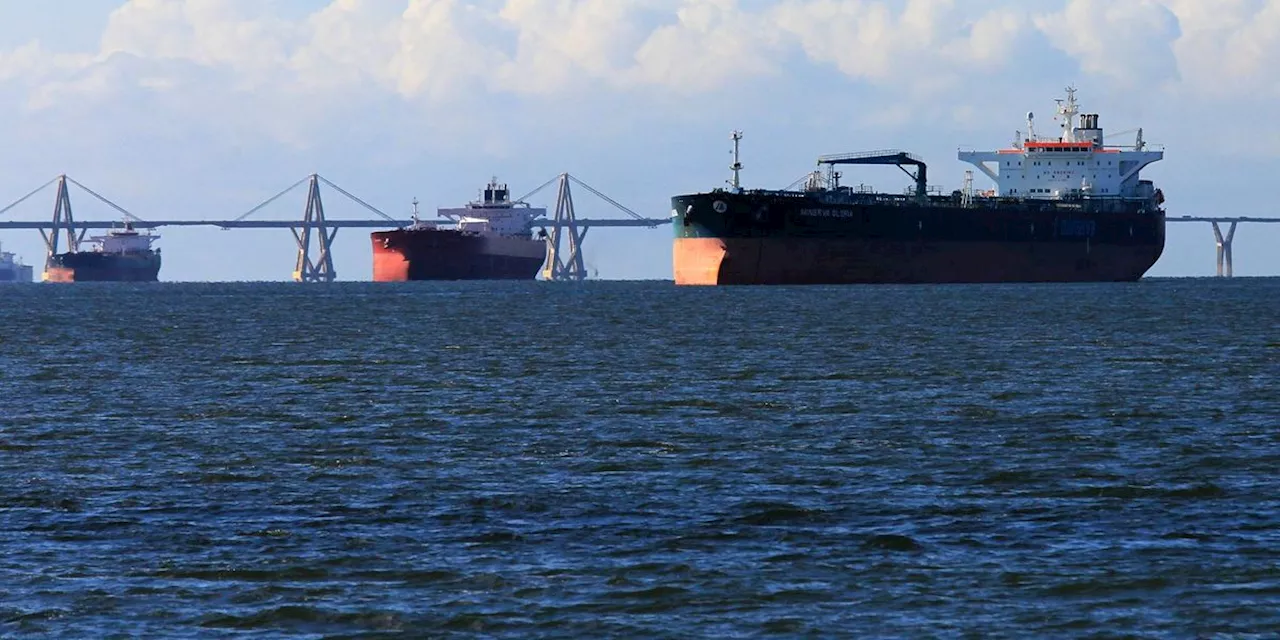
On December 16, 2025, former President Donald Trump announced a “total and complete blockade” of oil tankers entering or leaving Venezuela. This declaration, made via his personal media platform, has significant implications for international relations and U.S. constitutional law. Trump claimed that Venezuela was “completely surrounded by the largest Armada ever assembled in the history of South America,” asserting that the blockade would continue until Venezuelan “oil, land, and other assets” were returned to the United States.
This sweeping statement raises critical concerns about the expansion of executive power and the potential breach of constitutional limits. Experts argue that the blockade challenges the War Powers Resolution, a congressional statute designed to prevent unilateral military actions without legislative approval. Historically, U.S. administrations have employed sanctions and diplomatic measures to address foreign disputes, but Trump’s blockade marks a troubling shift toward coercive military action.
Constitutional Implications of the Blockade
According to Article I of the U.S. Constitution, the power to declare war resides solely with Congress. While Article II grants the President authority as Commander-in-Chief, it does not allow for prolonged military operations without legislative consent. The War Powers Resolution of 1973 further enforces this distinction, mandating that the President seek congressional authorization for any use of armed forces that could lead to hostilities.
The blockade, characterized as a use of force under both domestic and international law, poses immediate risks. This unilateral military action not only contravenes established legal norms but also raises questions about the implications for U.S. foreign policy. By asserting control over international waters and restricting access to maritime commerce, the blockade signifies a constitutional violation in action.
Questioning the Justification for the Blockade
Trump’s justification for the blockade—claiming that Venezuela “stole” American oil—lacks historical and legal support. The Venezuelan oil sector was nationalized in 1976 with the establishment of Petróleos de Venezuela, S.A.. Over the years, foreign companies, including U.S. firms like ExxonMobil and ConocoPhillips, operated under negotiated terms. In the early 2000s, Venezuela reasserted control over its resources, transitioning foreign-controlled projects into joint ventures.
These actions were not acts of theft but sovereign decisions that fall within Venezuela’s rights under international law. Disputes arising from these nationalizations were typically resolved through arbitration and negotiation rather than military force. In contrast, the U.S. has historically managed resource disputes in Latin America through sanctions and diplomatic channels, never resorting to blockades or military coercion.
The blockade’s escalation into armed coercion is unprecedented. While sanctions regulate economic conduct, they do not authorize armed actions against foreign vessels in international waters. Past instances of tanker seizures were justified through civil forfeiture laws, often related to terrorism or sanctions evasion. Transitioning to a systematic blockade represents a significant shift in U.S. military and foreign policy.
The Path Forward for U.S. Foreign Policy
Reversing the current course is essential to uphold the principles of constitutional governance. Congress must reassert its authority by enforcing the War Powers Resolution and prohibiting unauthorized military actions. Legislative measures, such as House Concurrent Resolution 64, could serve as a means to address the situation.
Moreover, the Executive branch must revert to lawful enforcement mechanisms, utilizing civil forfeiture, targeted sanctions, and international arbitration instead of coercive naval operations. Diplomatic engagement should be the primary mode of addressing disputes related to Venezuela’s resource management, relying on negotiation and international claims processes rather than unilateral military actions.
The blockade may appear as a show of strength, but it signifies a dangerous erosion of legal norms and constitutional governance. When a President can initiate a blockade without congressional approval, it threatens the fundamental balance of powers and risks sliding toward autocratic governance.
In conclusion, the implications of Trump’s blockade on Venezuela extend beyond immediate foreign policy concerns; they challenge the constitutional boundaries that define the Republic. Congress, the courts, and the public must demand adherence to the law and ensure that power is exercised responsibly and in accordance with established legal frameworks. The fate of the Constitution hangs in the balance as the nation grapples with the consequences of this unprecedented action.