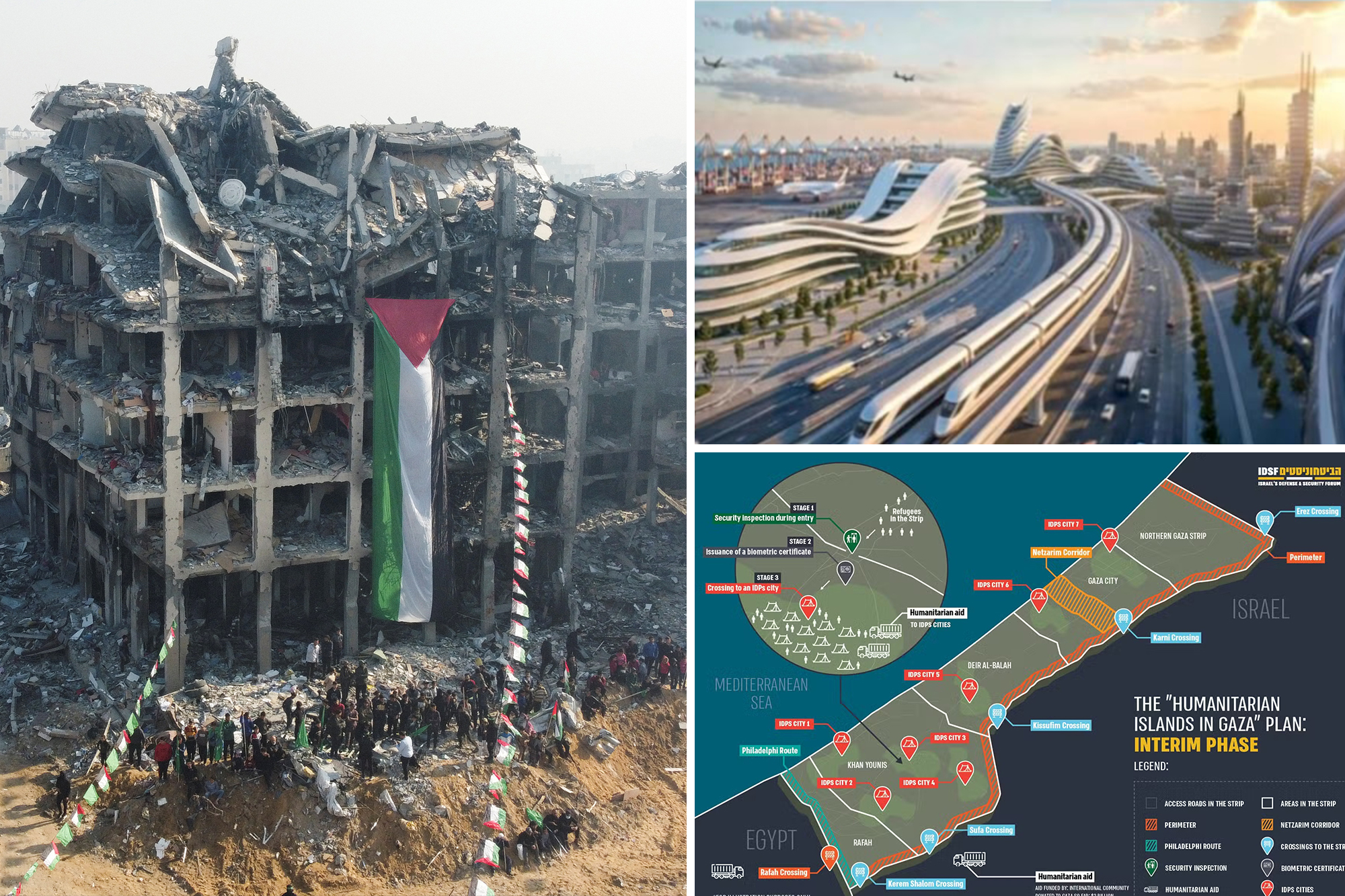
A bold initiative to transform Gaza into a modern smart city has emerged, featuring a proposed investment of $112 billion. The plan, known as Project Sunrise, aims to rebuild the war-torn region into an international destination. Developed by Jared Kushner, former US President Donald Trump’s son-in-law, along with US special envoy Steve Witkoff and several White House aides, the proposal outlines an ambitious ten-year development strategy.
The project is currently being promoted to potential investor countries through a detailed 32-slide PowerPoint presentation that envisions transforming the devastated landscape into a vibrant hub of luxury and technology. The initiative includes plans for luxury hotels, high-speed rail, and an artificial intelligence-optimized smart grid that would significantly enhance the infrastructure of Gaza’s Mediterranean coastline. As reported by the Wall Street Journal, the executive summary states, “Gaza’s destruction has been profound, but we believe what lies ahead is not just restoration — it’s a chance to develop a gateway of prosperity in the Middle East.”
Under the proposed plan, the total cost of $112 billion would be allocated over the next decade, with the US government pledging $60 billion in grants and debt guarantees. The plan aims to establish Gaza as a “smart city” featuring tech-driven governance and innovative services. One of the key elements includes the creation of a “Chief Digital Office” and an innovation lab to set standards and guide policy.
While the proposal outlines various phases of construction, it lacks details on how to accommodate the 2 million Palestinians who may be displaced during the extensive rebuilding efforts. Currently, there are an estimated 68 million tons of rubble in Gaza, remnants of the extensive damage caused by Israeli airstrikes over the past two years.
Despite the ambitious nature of the plan, US officials familiar with the proposal express skepticism about its viability. A significant condition for the implementation of the project hinges on the disarmament of Hamas, raising concerns about the feasibility of attracting international investment under the current political climate.
In a related development, Witkoff recently met with high-level delegations from Egypt, Turkey, and Qatar in Miami to discuss the second phase of the Gaza cease-fire plan. The outcome of these discussions could have significant implications for the future of Gaza and the potential success of Project Sunrise.
As the proposal unfolds, it will be critical to monitor both the political landscape and the responses from potential investors. The ambitious vision for Gaza represents not only a reconstruction effort but also a strategic initiative aimed at fostering economic development in a region long plagued by conflict.